
Belize travel guide
About Belize
Sandwiched between Mexico, Guatemala and the shimmering Caribbean Sea, Belize occupies a slice of paradise that is packed with culture, wildlife and a wondrous selection of historical sites. Much of the mainland remains swathed in jungle, where the vestiges of ancient cities punctuate verdant forest canopies. Caracol is the most famous. Its crumbling temples and stone pyramids stand as powerful reminders of the Maya civilisation.
The history is fascinating for sure, but most people visit Belize to see its natural wonders and admirable conservation work; the Cockscomb Basin Wildlife Sanctuary was the first jaguar sanctuary in the world; the island of Half Moon Caye has been entirely dedicated to the conservation of birds; and the protected Belize Barrier Reef harbours an incredible array of marine life. Visitors can swim with sharks and stingrays along colourful walls of coral, or explore the Blue Hole, renowned as one of the world’s best dive sites.
Numbering fewer than 335,000, Belizeans have surprisingly diverse roots: the country is a melting pot of Creole, Garifuna, Mestizo, Spanish, Maya, English, Mennonite, Lebanese, Chinese and East Indian heritage. Racial harmony, religious tolerance and a relatively peaceful political culture, have allowed these different elements to blend successfully and have given Belize a reputation as a friendly, laidback destination.
Belize’s towns and cities are small and, on the whole, pleasantly unexciting. San Ignacio is a charming enough stop-off for those disappearing into the jungle and Punta Gorda offers insightful home stays with some of the country’s last remaining indigenous communities. The somewhat bland capital, Belmopan, however, is hardly worth going out your way for and bustling Belize City, though energetic and ruggedly charming, is used largely as a gateway to the islands.
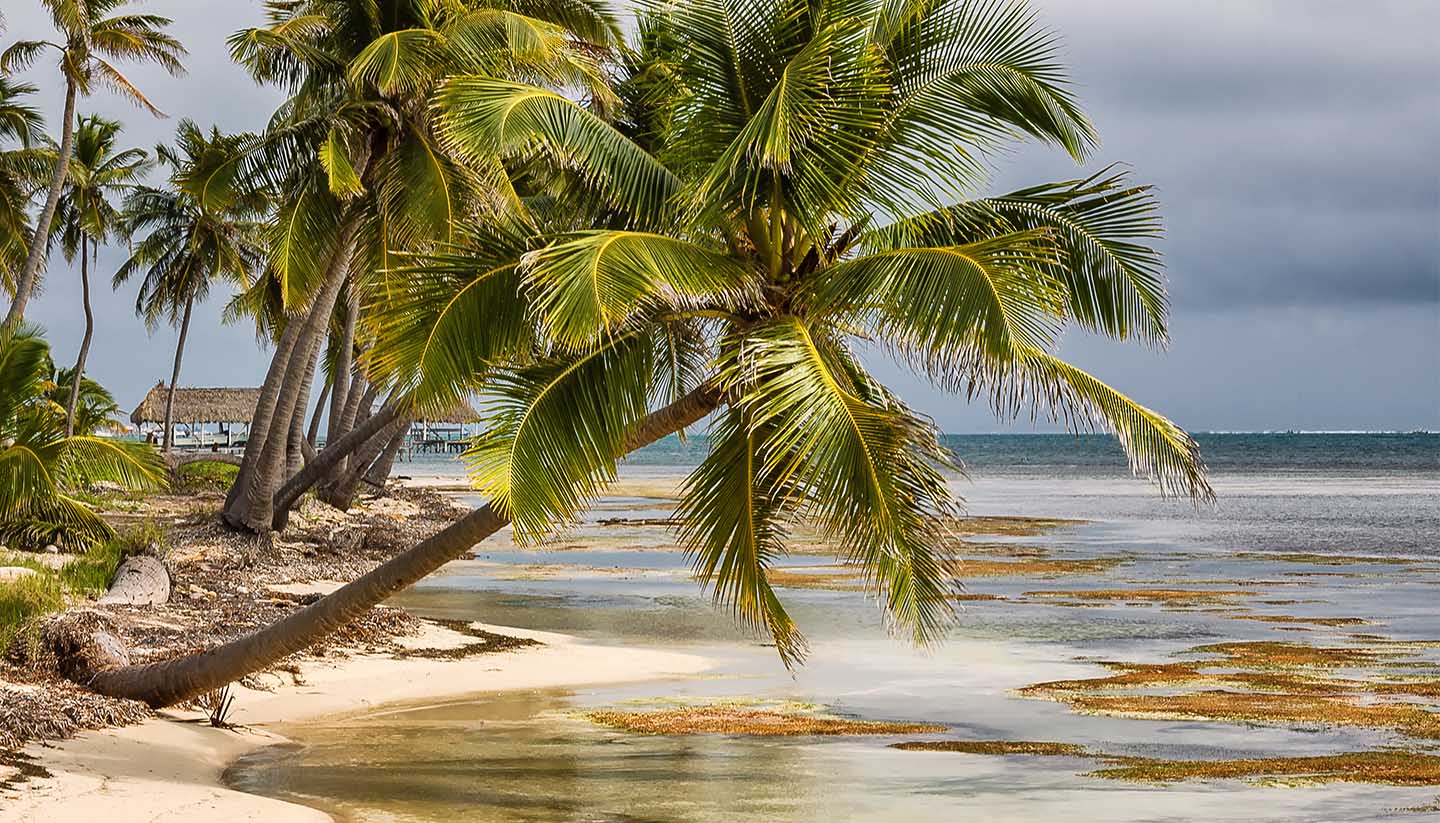
And what exquisite islands they are. Caye Caulker, Ambergris Caye, Cayo Espanto (to name a few) are everything you expect from the Caribbean and more; swaying palms, pellucid waters, sandy shores, ramshackle beach bars and charming restaurants. All that’s missing are the crowds. Go figure.
Key facts
22,965 sq km (8,867 sq miles).
366,942 (UN estimate 2016).
14.8 per sq km.
Belmopan.
Parliamentary democracy and member of the Commonwealth.
HM King Charles III since 2022, represented locally by Governor-General Froyla Tzalam since 2021.
Prime Minister Johnny Briceño since 2020.
Travel Advice
Before you travel
No travel can be guaranteed safe. Read all the advice in this guide. You may also find it helpful to:
- see general advice for women travellers
- read our guide on disability and travel abroad
- see general advice for LGBT+ travellers
- read about safety for solo and independent travel
- see advice on volunteering and adventure travel abroad
Travel insurance
If you choose to travel, research your destinations and get appropriate travel insurance. Insurance should cover your itinerary, planned activities and expenses in an emergency.
About FCDO travel advice
The Foreign, Commonwealth & Development Office (FCDO) provides advice about risks of travel to help you make informed decisions. Find out more about FCDO travel advice.
Get travel advice updates
Sign up to get email notifications when this travel advice is updated.
Follow FCDO:
This information is for people travelling on a full ‘British citizen’ passport from the UK. It is based on the UK government’s understanding of Belize’s current rules for the most common types of travel.
The authorities in Belize set and enforce entry rules. If you’re not sure how these requirements apply to you, contact the Belize High Commission in the UK.
Passport validity requirements
To enter Belize, your passport must have an ‘expiry date’ more than 3 months after the date you arrive. Some airlines may refuse boarding if the expiry date is not more than 6 months after the date you arrive.
Check with your travel provider to make sure your passport and other travel documents meet their requirements. Renew your passport if you need to.
You will be denied entry if you do not have a valid travel document or try to use a passport that has been reported lost or stolen.
Dual nationals
When returning to the UK, British citizens must carry a valid British passport or certificate of entitlement. See Dual Citizenship.
Immigration and customs declaration form
All travellers transiting Belize through the Philip Goldson International Airport are required to complete an immigration and customs declaration form. Whilst paper declarations will still be accepted during the phased transition to a fully digital system, the Belizean authorities recommend completing the digital form prior to travel.
Visa requirements
You can visit Belize without a visa for 30 days.
If you want to extend your stay, it will cost 200 Belize dollars for each additional 30 days. You should go to the nearest office of the Belize Immigration and Nationality Department and request a new stamp.
Departure tax
If you leave Belize by land, or by water crossing to Guatemala or Mexico, you must pay a departure tax of 40 Belize dollars or 20 US dollars at the border. If leaving by air, the tax is usually included in the airfare.
Travelling with children
Children aged 17 and under who are travelling on their own, or with an adult who is not their parent, must carry a notarised letter to prove parental responsibility, or consent to travel from the parent or guardian. Children travelling with one parent must also have a notarised letter of authority from the other parent giving consent for travel.
Vaccine requirements
For details about medical entry requirements and recommended vaccinations, see TravelHealthPro’s Belize guide.
Customs rules
There are strict rules about goods you can take into or out of Belize. You must declare anything that may be prohibited or subject to tax or duty. Items that need to be declared will be listed on the customs declaration form. Contact the Belize Customs and Excise Administration for more information.
Terrorism
There is a high threat of terrorist attack globally affecting UK interests and British nationals, including from groups and individuals who view the UK and British nationals as targets. Stay aware of your surroundings at all times.
UK Counter Terrorism Policing has information and advice on staying safe abroad and what to do in the event of a terrorist attack. Find out how to reduce your risk from terrorism while abroad.
Terrorism in Belize
Although there is no recent history of terrorism in Belize, attacks cannot be ruled out.
Political situation
Political demonstrations take place in Belize City and Belmopan, but most are peaceful. Follow the instructions of local authorities, monitor local media and avoid large gatherings and demonstrations.
Crime
Investigations can take several weeks, police capacity is limited and most crimes remain unsolved and unprosecuted.
Belize has one of the highest per capita murder rates in the world. Other violent crime, including armed robbery, shootings, domestic abuse and sexual assault are also a concern.
Serious gang-related violence occurs most frequently in Belize City, particularly in the area to the south of the Haulover Creek (known as Southside). Tourists are not normally the targets of gang violence, but anyone near an incident could be affected. You should:
- follow the advice of your hotel and local authorities
- be watchful of your surroundings
Armed criminals have been active in the remote forested areas of Belize, particularly the border area with Guatemala and close to tourist sites there. However, the area is patrolled by the Belize Defence Force and there have been no reported incidents involving tourists.
Tourists, in general, are vulnerable to theft of cash, credit cards, phones and other personal belongings, including in tourist destinations such as San Pedro, Caye Caulker, Placencia and San Ignacio. You should:
- avoid dark alleys
- use ATMs located in well-lit public areas or inside a bank or business
- keep valuables out of sight
- be aware that wearing expensive jewellery could attract attention
- use a qualified guide for trips off the beaten track
- only use accommodation and campgrounds that appear genuine and established
Laws and cultural differences
Illegal drugs and prison sentences
Possession of illegal drugs can lead to a fine and prison sentence.
LGBT+ travellers
Same-sex activity between consenting adults is legal. The Immigration Act prohibits “homosexual” persons from entering the country but immigration authorities have not enforced that law. Tourist-friendly areas, including San Pedro and Ambergris Caye, are relatively open and welcoming to the LGBT+ community. Outside of these areas, LGBT+ couples, especially men, tend to be reluctant to display affection in public because of incidents of verbal or physical abuse which have been reported.
Read more advice for LGBT+ travellers.
Outdoor activities and adventure tourism
Find more information on local travel from the Belize Tourism Board.
Swimming safety
There have been injuries and fatalities from adventure sports activities, including snorkelling and diving. The main causes have been inadequate safety precautions and severe weather conditions. Check local weather forecasts and only use registered and licensed operators.
See water safety on holiday from the Royal Life Saving Society.
Transport risks
Road travel
If you are planning to drive in Belize, see information on driving abroad.
You can use a UK photocard driving licence to drive in Belize for up to 3 months. If you still have a paper driving licence, you may need to update it to a photocard licence. For longer stays, you must get a Belize driving permit from the Department of Transport in your district.
Driving conditions may be hazardous, especially during the rainy season, due to:
- roads with potholes, unpaved dirt shoulders and few lane markings
- narrow or unpaved roads
- roads often unlit
- lack of emergency road assistance
- flooded temporary bridges and causeways during severe weather in southern parts of the country, particularly in Stann Creek and Toledo.
Driving standards
Road traffic accidents are common. Local driving and vehicle maintenance standards are poor. Public buses are not well maintained and many do not have seatbelts. Take care when driving, particularly during rainy conditions or at night. Be aware of the risks, including high levels of drink-driving, speeding, reckless driving and other vehicles, including bicycles, not having working lights.
Taxis
Only take registered taxis with green licence plates. Always ask the fare before getting in, and expect to pay in cash.
Air Travel
Following the hijacking of a small passenger aircraft on an internal flight on 17 April 2025, the Belize Airports Authority has announced security enhancements across Belize’s municipal airstrips. You may wish to allow extra time in case of disruption to domestic air travel.
Extreme weather and natural disasters
Find out what you can do to prepare for and respond to extreme weather and natural hazards.
Hurricanes
The hurricane season is from 1 June to 30 November. Monitor local and international weather updates from the US National Hurricane Center’s regional map and the National Meteorological Service of Belize. You should also follow advice from the National Emergency Management Organisation.
Flooding
Heavy rainfall can cause flooding. Follow the weather forecasts from the National Hydrological Service and the National Meteorological Service of Belize.
Flooding caused by Tropical Storm Sara is affecting western parts of Belize. You should follow the advice of the local authorities.
Earthquakes
Belize is not directly affected by earthquakes, but tremors from earthquakes in neighbouring countries can occasionally be felt in Belize. There can occasionally be tsunami warnings.
The US Federal Emergency Management Agency has advice about what to do before, during and after an earthquake.
Before you travel check that:
- your destination can provide the healthcare you may need
- you have appropriate travel insurance for local treatment or unexpected medical evacuation
This is particularly important if you have a health condition or are pregnant.
Emergency medical number
Call 911 and ask for an ambulance.
Contact your insurance company quickly if you’re referred to a medical facility for treatment.
Vaccine recommendations and health risks
At least 8 weeks before your trip:
- check the latest vaccine recommendations for Belize
- see where to get vaccines and whether you have to pay on the NHS travel vaccinations page
See what health risks you’ll face in Belize, including:
- Zika virus
- chikungunya virus
- dengue
- malaria
Medication
The legal status and regulation of some medicines prescribed or bought in the UK can be different in other countries.
Read best practice when travelling with medicines on TravelHealthPro.
Healthcare in Belize
Medical facilities in Belize are limited and availability of prescription medicine is unreliable. Serious medical cases are normally evacuated to the US, at the patient’s expense.
FCDO has a list of medical facilities in Belize where some staff will speak English.
There is also guidance on healthcare if you’re living in Belize.
Travel and mental health
Read FCDO guidance on travel and mental health. There is also mental health guidance on TravelHealthPro.
The Foreign, Commonwealth & Development Office (FCDO) cannot provide tailored advice for individual trips. Read this travel advice and carry out your own research before deciding whether to travel.
Emergency services in Belize
Telephone: 911 or 90 (ambulance, fire, police)
Contact your travel provider and insurer
Contact your travel provider and your insurer if you are involved in a serious incident or emergency abroad. They will tell you if they can help and what you need to do.
Refunds and changes to travel
For refunds or changes to travel, contact your travel provider. You may also be able to make a claim through insurance. However, insurers usually require you to talk to your travel provider first.
Find out more about changing or cancelling travel plans, including:
- where to get advice if you are in a dispute with a provider
- how to access previous versions of travel advice to support a claim
Support from FCDO
FCDO has guidance on staying safe and what to do if you need help or support abroad, including:
- finding lawyers and funeral directors in Belize
- dealing with a death in Belize
- being arrested or imprisoned in Belize
- getting help if you’re a victim of crime
- what to do if you’re in hospital
- if you’re affected by a crisis, such as a terrorist attack
Contacting FCDO
Help abroad
See how to get help from the UK government abroad including in an emergency.
Help in the UK
You can call FCDO in London if you need urgent help because something has happened to a friend or relative abroad.
Telephone: 020 7008 5000 (24 hours)
Get travel advice updates
Sign up to get email notifications when this travel advice is updated.
Follow FCDO: