
Antigua and Barbuda travel guide
About Antigua and Barbuda
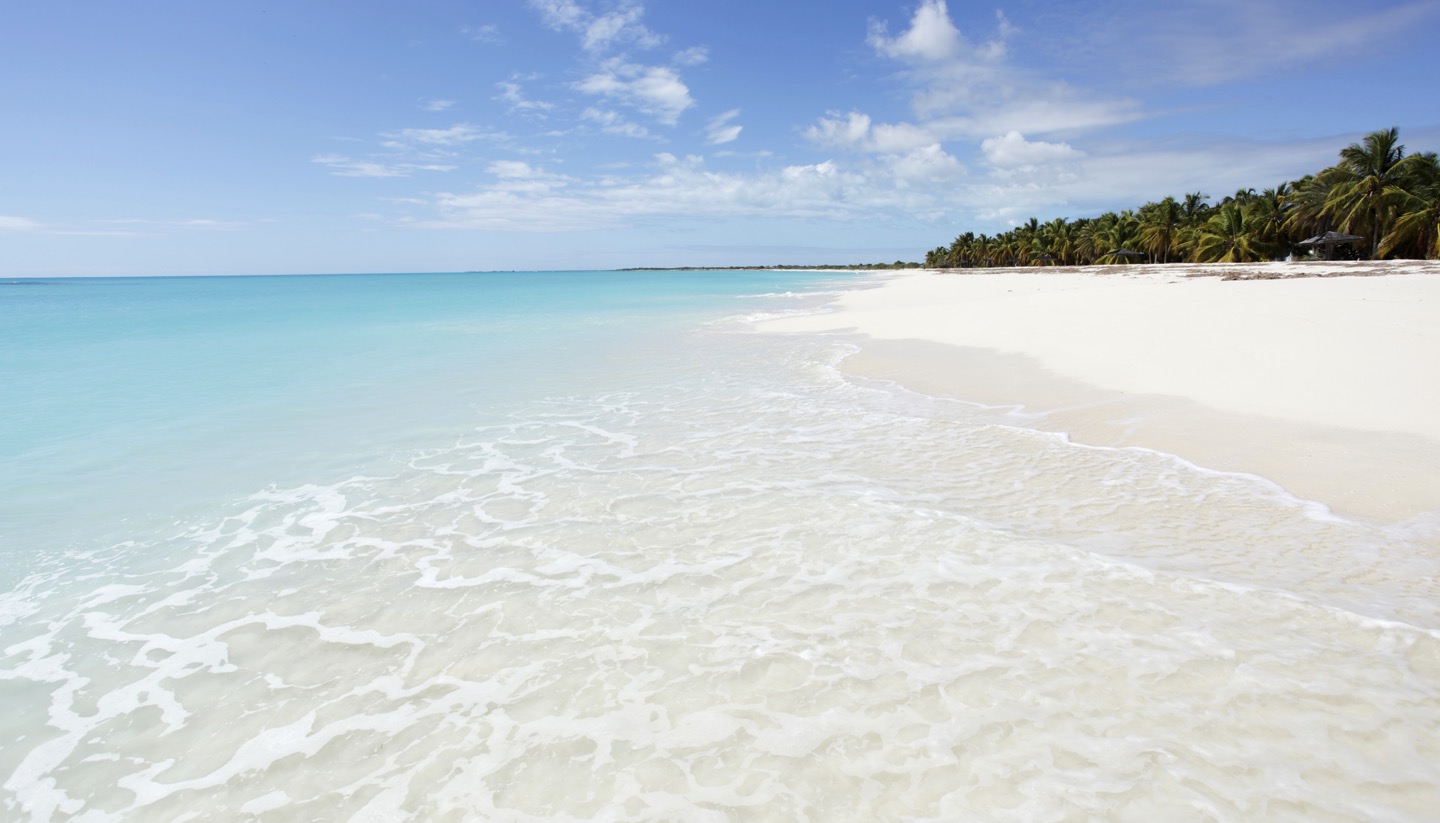
“We have 365 beaches here – one for every day of the year.” If you were given a dollar every time you heard that in Antigua, your holiday would surely be paid for. It’s the national catchphrase and you’ll get tired of hearing it. But locals have every right to be proud of Antigua and its dashing twin, Barbuda: with their powdery beaches and swaying palms they’re the quintessence of Caribbean island idyll.
Most of the action takes place in Antigua, a glamorous island where expensive yachts float in the harbour, honeymooners frolic in the surf and scuba divers explore colourful coral reefs in crystalline waters. You can see why Giorgio Armani and Oprah Winfrey keep homes here.
Away from the glamour, there are many attractions: from steamy rainforests to historic sites such as Shirley Heights, a military lookout with views over Nelson’s Dockyard, the only working Georgian dockyard in the world.
Antigua’s highest point, Mount Obama, begs to be climbed. It’s also worth checking out the island’s national parks and billowing blowholes, such as Devil's Bridge, which are caused by the colliding surf of the Atlantic Ocean and Caribbean Sea.
The buzzing Saturday market in St Johns, the capital, is a must: pick up anything from fresh fruit to local crafts. Antigua springs to life at night, with dozens of places to party including Shirley Heights, which is the setting for Sunday night “jump ups” (street parties) featuring live music and lots of rum punch.
Antigua’s little sister Barbuda is quieter, but no less beautiful. Lying 43.5km (27 miles) to the north, its beating heart is Codrington, which is widely referred to as “The Village”. Codrington consists of only a handful of streets and offers a glimpse of Caribbean life as it used to be.
Although small, there is much to do in Barbuda. The island is a haven for wild deer and exotic birds, and is home to the Frigate Bird Sanctuary. Important Amerindian rock carvings can be found at Two foot Bay, while sumptuous beaches abound.
Key facts
Total: 441.6 sq km (170.5 sq miles).
100,963 (World Bank estimate 2016).
228.42 per sq km.
St John's.
Constitutional monarchy.
HM Queen Elizabeth II since 1952, represented locally by Governor-General Rodney Williams since 2014.
Prime Minister Gaston Browne since 2014.
Travel Advice
Before you travel
No travel can be guaranteed safe. Read all the advice in this guide. You may also find it helpful to:
- see general advice for women travellers
- read our guide on disability and travel abroad
- see general advice for LGBT+ travellers
- read about safety for solo and independent travel
- see advice on volunteering and adventure travel abroad
Travel insurance
If you choose to travel, research your destinations and get appropriate travel insurance. Insurance should cover your itinerary, planned activities and expenses in an emergency.
About FCDO travel advice
The Foreign, Commonwealth & Development Office (FCDO) provides advice about risks of travel to help you make informed decisions. Find out more about FCDO travel advice.
Get travel advice updates
Sign up to get email notifications when this travel advice is updated.
Follow FCDO:
This information is for people travelling on a full ‘British citizen’ passport from the UK. It is based on the UK government’s understanding of Antigua and Barbuda’s current rules for the most common types of travel.
The authorities in Antigua and Barbuda set and enforce entry rules. If you’re not sure how these requirements apply to you, contact the Antigua and Barbuda High Commission in the UK.
Passport validity requirements
To enter Antigua and Barbuda, your passport must have an ‘expiry date’ at least 6 months after the date you arrive.
Check with your travel provider that your passport and other travel documents meet requirements. Renew your passport if you need to.
You will be denied entry if you do not have a valid travel document or try to use a passport that has been reported lost or stolen.
Dual nationals
When returning to the UK, British citizens must carry a valid British passport or certificate of entitlement. See Dual Citizenship.
Visa requirements
You can visit Antigua and Barbuda without a visa. On entry, you’ll be allowed to stay for a maximum period of 90 days.
Visitors must be able to show an onward or return ticket in order to enter the country.
Applying for a visa
To stay longer (to work or study, for business travel or for other reasons), you must apply and pay for an extension of stay through the Antigua and Barbuda Immigration Department.
It is illegal to overstay the entry period or to work without a work permit.
Checks at border control
The Antiguan and Barbudan authorities advise travellers to use ArriveAntigua.com to speed up your entry into the country, though it is not mandatory. You can only access it through a mobile telephone or tablet and within 72 hours of travel.
Airport tax
Most airlines include departure tax in their flight costs. If you’re flying on regional airlines, you should check whether tax is included before you travel.
Vaccine requirements
To enter Antigua and Barbuda, you must have a certificate to prove you’ve had a yellow fever vaccination if you’re coming from a country listed as a transmission risk.
For full details about medical entry requirements and recommended vaccinations, see TravelHealthPro’s Antigua and Barbuda guide.
Customs rules
There are strict rules about goods you can take into or out of Antigua and Barbuda. You must declare anything that may be prohibited or subject to tax or duty.
Terrorism
There is a high threat of terrorist attack globally affecting UK interests and British nationals, including from groups and individuals who view the UK and British nationals as targets. Stay aware of your surroundings at all times.
UK Counter Terrorism Policing has information and advice on staying safe and what to do in the event of a terrorist attack. Find out how to reduce your risk from terrorism while abroad.
Terrorism in Antigua and Barbuda
Although there’s no recent history of terrorism in Antigua and Barbuda, attacks cannot be ruled out.
Crime
There have been incidents of violent crime including murder, armed robbery and sexual assault in Antigua and Barbuda.
Take sensible precautions to protect your personal safety. You should:
- make sure your accommodation is secure – this also applies if you are staying on a yacht
- take care when walking alone off the busy main roads
- avoid isolated areas, including beaches, particularly after dark
- only use licensed taxis
- take particular care around large gatherings, including street and beach parties, especially after dark or during the festival season
- not carry large amounts of cash or jewellery
- leave valuables and travel documents in a safety deposit box or secure hotel safe
- be aware that resisting a robbery can lead to a violent response, including use of weapons that can result in physical injury
Laws and cultural differences
Illegal drugs and prison sentences
It is illegal to possess drugs. There are severe penalties for all drug offences. Pack all luggage yourself and do not carry anything through customs for anyone else.
Smoking
It is illegal to smoke in public places. You may face arrest for doing so.
Laws on clothing
It is illegal for anyone, including children, to dress in camouflage clothing.
LGBT+ travellers
Attitudes towards the LGBT+ community are mostly conservative in the Caribbean.
Antigua and Barbuda no longer has legislation against same-sex sexual acts. However, showing affection in public may attract unwanted and negative attention. It is uncommon for opposite or same-sex couples to show affection in public.
Read more advice for LGBT+ travellers.
Outdoor activities and adventure tourism
Swimming safety
Take care when swimming. Currents can be deceptively strong and not all beaches have lifeguards or warning flags. Monitor all beaches carefully and follow warnings. See Royal National Lifeboat Institution safety advice.
See water safety on holiday from the Royal Life Saving Society.
Transport risks
Road travel
If you are planning to drive in Antigua and Barbuda, see information on driving abroad.
You will need a temporary local driving licence to drive in Antigua and Barbuda. Your car hire company will usually help with this process or these can be obtained at the Transport Board or local police stations. You need to present a UK driving licence to get a local temporary licence.
Driving conditions
Roads can have potholes and unmarked speed bumps. Minor roads and those in rural areas are narrow and can have blind corners. Pedestrians often walk on the roads. Drivers do not always use indicators.
Take extra care when driving at night, as some roads are unlit. Road signs and hazards may not be easily visible.
Do not stop if pedestrians flag you down. Keep car doors locked when driving.
If you have an accident, call the police and do not move the vehicle.
Taxis
Taxis are not metered. Standard taxi fares are set by zones. Agree the fare in local currency with the driver before you set off. You can often pay in US dollars as well as Eastern Caribbean dollars.
Sea travel
Visitors arriving by sea must contact the Antigua Port Authority at least 6 hours before arrival using VHF Channel 16. Follow instructions on which port or holding area to use to complete entry formalities.
Passengers arriving by cruise liner are subject to the protocols placed on board by their cruise company.
Extreme weather and natural disasters
Find out what you can do to prepare for and respond to extreme weather and natural hazards.
Hurricanes
The hurricane season in the Caribbean normally runs from June to November. Monitor local and international weather updates from the Antigua and Barbuda Meteorological Services, the World Meteorological Organization and the US National Hurricane Center and follow the advice of the local authorities, including any evacuation orders.
See tropical cyclones for advice about how to prepare effectively and what to do if you are likely to be affected by a hurricane.
Earthquakes
Earthquakes are a risk in Antigua and Barbuda. Tremors are felt occasionally in the Caribbean. The US Federal Emergency Management Agency website has advice about what to do before, during and after an earthquake.
Before you travel check that:
- your destination can provide the healthcare you may need
- you have appropriate travel insurance for local treatment or unexpected medical evacuation
This is particularly important if you have a health condition or are pregnant.
Emergency medical number
Call 999 or 911 and ask for an ambulance.
Contact your insurance company promptly if you’re referred to a medical facility for treatment.
Vaccine recommendations and health risks
At least 8 weeks before your trip:
- check the latest information on vaccine recommendations for Antigua and Barbuda
- see where to get vaccines and whether you have to pay on the NHS travel vaccinations page
See what health risks you’ll face in Antigua and Barbuda.
Medication
The legal status and regulation of some medicines prescribed or bought in the UK can be different in other countries.
Read best practice when travelling with medicines on TravelHealthPro.
Healthcare in Antigua and Barbuda
The main government hospital can cope with many types of treatment but serious cases may need an emergency evacuation. Medical treatment in Antigua and Barbuda can be expensive.
Make sure you have adequate travel health insurance and accessible funds to cover the cost of any medical treatment and repatriation.
Before choosing to be treated at a private facility, check their policies on pre-payment. Private clinics may not accept medical travel insurance as payment for treatment.
FCDO has a list of medical providers in Antigua and Barbuda.
Travel and mental health
Read FCDO guidance on travel and mental health. There is also mental health guidance on TravelHealthPro.
The Foreign, Commonwealth & Development Office (FCDO) cannot provide tailored advice for individual trips. Read this travel advice and carry out your own research before deciding whether to travel.
Emergency services in Antigua and Barbuda
Telephone: 999 or 911 (ambulance, fire, police)
Contact your travel provider and insurer
Contact your travel provider and your insurer if you are involved in a serious incident or emergency abroad. They will tell you if they can help and what you need to do.
Refunds and changes to travel
For refunds or changes to travel, contact your travel provider. You may also be able to make a claim through insurance. However, insurers usually require you to talk to your travel provider first.
Find out more about changing or cancelling travel plans, including:
- where to get advice if you are in a dispute with a provider
- how to access previous versions of travel advice to support a claim
Support from FCDO
FCDO has guidance on staying safe and what to do if you need help or support abroad, including:
- finding lawyers and funeral directors in Antigua and Barbuda
- dealing with a death in Antigua and Barbuda
- being arrested or imprisoned in Antigua and Barbuda
- getting help if you’re a victim of crime
- what to do if you’re in hospital
- if you’re affected by a crisis, such as a terrorist attack
Contacting FCDO
Help abroad
See how to get help from the UK government abroad including in an emergency.
Help in the UK
You can call FCDO in London if you need urgent help because something has happened to a friend or relative abroad.
Telephone: 020 7008 5000 (24 hours)
Get travel advice updates
Sign up to get email notifications when this travel advice is updated.
Follow FCDO: