
Benin travel guide
About Benin
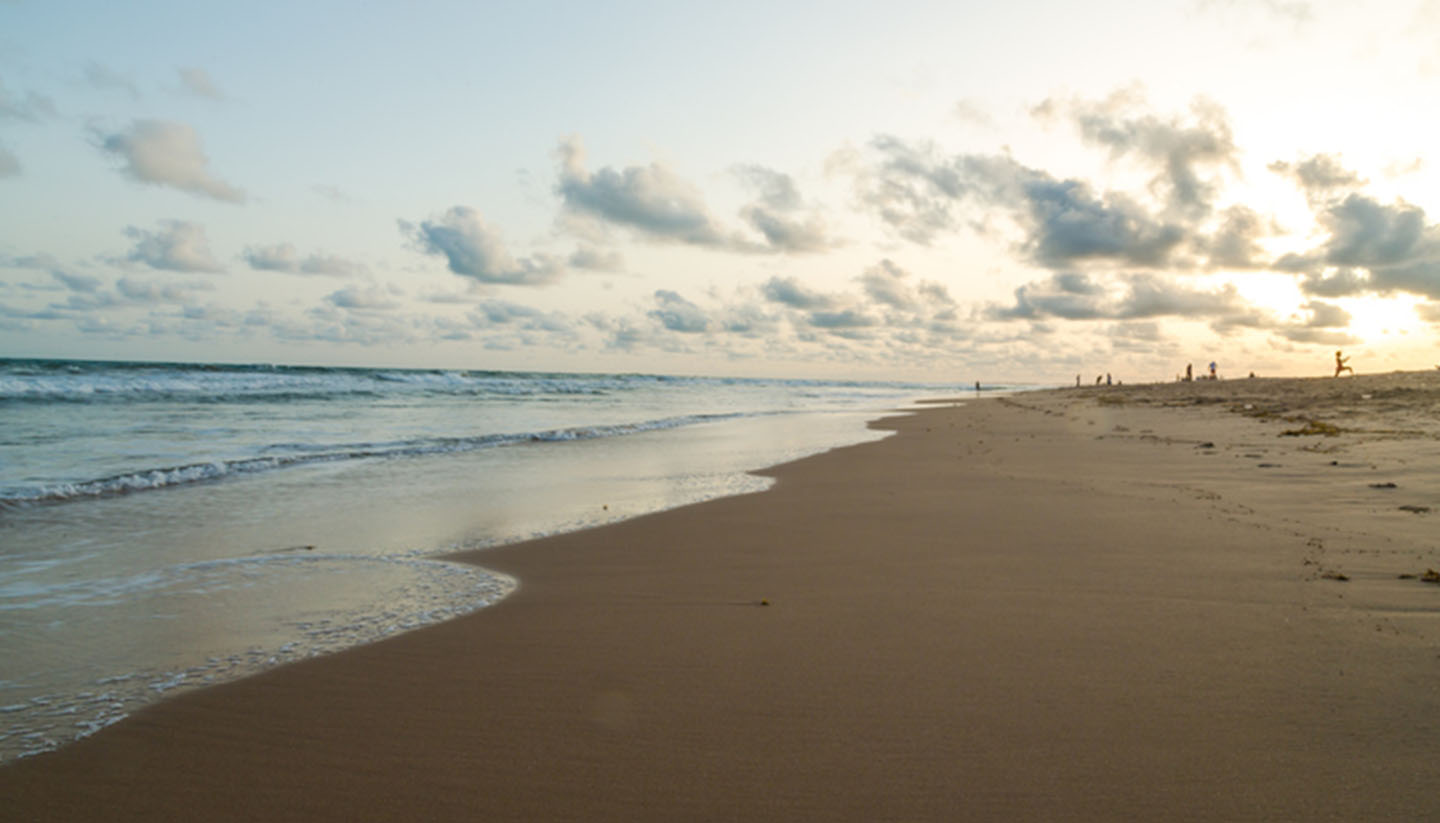
In many ways Benin is the perfect introduction to Africa. A land of pristine beaches, bountiful wildlife and hospitable inhabitants, travelling around the country is a doddle thanks to its small size and advanced infrastructure.
The birthplace of voodoo and one of the major departure points for the more than eight million people forced to leave the continent as slaves, the country also has a complex and compelling history that filters down into everyday life to create a jumble of the familiar and the strange.
Stay in the south to experience Benin’s major cities, the slightly chaotic yet vibrant commercial hub of Cotonou and the laidback capital Porto Novo. Take some time out from the capital’s lagoon-side location and palm-fringed Atlantic beaches to request an audience with the tribal princes of Ajase, Porto Novo’s ancestral name, while visiting the palace museum.
Head along the coast to experience the unique lives of the Tofinu people at Ganvié, a bamboo stilt village often referred to as the “Venice of Africa.” Or take advantage of Benin’s small size and good roads to explore the country’s spectacular countryside, which harbours remote towns and exquisite national parks. Home to lions, hippos and elephants, not to mention myriad bird species, Benin’s flagship national park is Pendjari, which serves up spectacular fauna without the crowds.
A thriving arts scene across the country has given rise to stunning public sculptures and fantastic architecture, which complement the elegance of the wooden Afro-Brazilian mansions of Porto Novo and Ouidah. The latter is the beating heart of Benin’s voodoo practitioners and an important stop for those interested in the history of the Atlantic slave trade.
Small in size but not in stature, Benin has something to suit every interest, be it the wild landscapes of the north, the bustling metropolises of the south, or the shared religion and history that bind this country and its people together.
Key facts
112,622 sq km (43,484 sq miles).
11,166,658 (UN estimate 2016).
92.8 per sq km.
Porto-Novo.
Republic.
President Romuald Wadagni.
Travel Advice
Your travel insurance could be invalidated if you travel against advice from the Foreign, Commonwealth and Development Office (FCDO).
Areas where FCDO advises against travel
Northern border regions
FCDO advises against all travel to the Parc du W National Park and the hunting zones of Mékrou and Djona. The park is tri-national, sharing an open border with Burkina Faso and Niger. There is a risk of terrorist attacks and kidnapping throughout the park.
FCDO also advises against all travel to:
- the area between the Parc du W and the border with Niger
- the Pendjari National Park and adjacent hunting grounds
- all other areas within 5km of the border with Burkina Faso
Eastern Benin
FCDO advises against all but essential travel to the area between the Interstate Highway (RNIE) 2 from Tchaourou to Malanville and the Benin-Nigeria border, due to increasing criminality.
Alibori and Atacora
FCDO advises against all but essential travel to the rest of the Alibori and Atacora departments.
Find out more about why FCDO advises against travel.
Before you travel
No travel can be guaranteed safe. Read all the advice in this guide. You may also find it helpful to:
- see general advice for women travellers
- read our guide on disability and travel abroad
- see general advice for LGBT+ travellers
- read about safety for solo and independent travel
- see advice on volunteering and adventure travel abroad
Travel insurance
If you choose to travel, research your destinations and get appropriate travel insurance. Insurance should cover your itinerary, planned activities and expenses in an emergency.
About FCDO travel advice
FCDO provides advice about risks of travel to help you make informed decisions. Find out more about FCDO travel advice.
Get travel advice updates
Sign up to get email notifications when this travel advice is updated.
Follow FCDO:
This information is for people travelling on a full ‘British citizen’ passport from the UK. It is based on the UK government’s understanding of Benin’s current rules for the most common types of travel.
The authorities in Benin set and enforce entry rules. If you’re not sure how these requirements apply to you, contact the Beninese Embassy in France (in French).
Passport validity requirements
Your passport must be valid for the duration of your stay.
Check with your travel provider that your passport and other travel documents meet requirements. Renew your passport if you need to.
You will be denied entry if you do not have a valid travel document or try to use a passport that has been reported lost or stolen.
Dual nationals
When returning to the UK, British citizens must carry a valid British passport or certificate of entitlement. See Dual Citizenship.
Visa requirements
You must have a visa to enter or travel through Benin.
For further information on entry requirements, contact the Beninese Embassy in France (in French).
Applying for a visa
Apply for a Benin visa online at least 7 days before your arrival date. You will get your visa when you arrive at Cotonou airport.
Visas for Nigeria, Ghana and Togo
You cannot get entry visas for Nigeria, Ghana or Togo in Benin. For onward travel you must apply for visas before travelling to Benin.
Vaccine requirements
To enter Benin, you must have a certificate to prove you’ve had a yellow fever vaccination.
For more details about health entry requirements and recommended vaccinations, see TravelHealthPro’s Benin guide.
Customs rules
There are strict rules about goods you can take into or out of Benin (in French). You must declare anything that may be prohibited or subject to tax or duty.
Terrorism
There is a high threat of terrorist attack globally affecting UK interests and British nationals, including from groups and individuals who view the UK and British nationals as targets. Stay aware of your surroundings at all times.
UK Counter Terrorism Policing has information and advice on staying safe abroad and what to do in the event of a terrorist attack. Find out how to reduce your risk from terrorism while abroad.
Terrorism in Benin
Terrorists are very likely to try to carry out attacks in Benin.
Attacks could be indiscriminate, including in places visited by foreign nationals such as:
- beach resorts
- hotels
- bars
- restaurants
Stay aware of your surroundings, keep up to date with local media reports and follow the advice of local authorities.
There is a risk of terrorist attacks in the northern border regions, including throughout the Parc du W National Park, which is tri-national and shares an open border between Benin, Burkina Faso and Niger. Recent incidents in the region have targeted military bases and security installations. See Regional risks.
Examples of recent significant attacks include:
- in April 2025, 54 soldiers were killed in an attack against two military posts in Parc du W National Park
- in January 2025, 28 soldiers were killed in an attack against a military post in Parc du W National Park
- in 2022, 7 national park staff and 1 military personnel were killed and 12 people were injured when 2 separate vehicle convoys hit improvised explosive devices in the Beninese side of the Parc National du W
- in 2021, at least 2 people were killed in an attack in the northern border area of Porga
Terrorist kidnap
Foreigners, government officials and civilians have been kidnapped by groups originating in bordering countries including Niger and Burkina Faso. Groups include Al-Qaida in the Islamic Maghreb (AQIM) and Jamaat Nusrat al-Islam wal Muslimeen (JNIM), who may travel across the region’s porous borders. There is a heightened risk of kidnap in areas bordering the Sahel, this includes northern Benin.
In 2019, 2 French tourists and their Beninese guide were kidnapped from Pendjari National Park. The guide was found dead, but the hostages were rescued in Burkina Faso a few days later.
British nationals are seen as legitimate targets, including tourists, humanitarian aid workers, journalists and business travellers. If you are kidnapped, the reason for your presence is unlikely to protect you or secure your safe release.
The long-standing policy of the British government is to not make substantive concessions to hostage takers. The British government considers that paying ransoms and releasing prisoners builds the capability of terrorist groups and finances their activities. This can, in turn, increase the risk of further hostage-taking. The Terrorism Act (2000) makes payments to terrorists illegal.
Political situation
Political demonstrations and unrest can occur without warning. Benin experienced an attempted coup on 7 December. Avoid all demonstrations, large crowds, political gatherings and rallies. In the event of unrest, monitor local media and follow instructions and announcements from the local authorities. Comply with any checks or security measures, including curfews. The authorities may introduce these at short notice.
Crime
Street crime
Street crime, including theft and mugging, is common in Cotonou. Pickpockets often operate in places visited by international travellers.
To reduce your personal risk:
- take care in crowded areas, including hotels, bars and on public transport
- avoid walking alone at night and in isolated areas
- be alert in Grand Marché de Dantokpa (Dantokpa Market) and avoid the area at night
- do not walk on the beach alone at any time
- in general do not resist an armed attacker
Vehicle crime
Be alert to the risk of carjacking both in Cotonou and on roads outside towns and cities. Always keep doors locked and windows closed when driving and avoid driving after dark. Do not slow down or stop if people signal you to pull over.
Scams
Scam artists target foreign visitors and residents. The scams come in many forms – romance and friendship, business ventures, work and employment opportunities – and can cause great financial loss. Warn your friends and family to be sceptical if they’re asked to transfer funds to you in Benin. Tell them to contact you to check that you’ve made this request.
Laws and cultural differences
Voodoo culture
Benin is one of the main centres of Voodoo practices, and Voodoo culture is prevalent. You should research and respect religious and social traditions to avoid offending local sensitivities.
Most people in Benin celebrate Voodoo Festival, an annual public holiday in early January. Make sure you’ve arranged travel and accommodation as options are limited during the festival. Watch out for pickpockets.
Illegal drugs and prison sentences
Possession, use or trafficking of illegal drugs is a serious offence and can result in a lengthy prison sentence and heavy fines.
Using cameras in secure areas
It is illegal to take photos at or near sensitive or government sites, such as military installations or the airport.
LGBT+ travellers
Same-sex sexual activity is legal, but same-sex relationships are not widely accepted. Showing affection in public can receive negative attention.
Read more advice for LGBT+ travellers.
Bribes
You should politely and firmly decline requests for ‘gifts’ from officials to facilitate administrative matters as this could implicate you in illegal activity.
Outdoor activities and adventure tourism
Swimming safety
Ocean currents are very strong along all parts of the coast. Many drownings occur each year. Do not swim unless you have reliable local advice and confidence in your ability. See water safety on holiday from the Royal Life Saving Society.
Transport risks
Road travel
If you are planning to drive in Benin, see information on driving abroad.
You’ll need to have both the correct version of the international driving permit (IDP) and your UK driving licence with you in the car.
Driving standards and road conditions in Benin are poor. Avoid driving outside towns and cities at night as roads are poorly lit. During the rainy seasons there may be flooding, particularly in rural areas.
Fuel shortages are common in rural areas of northern Benin. Police sometimes check vehicles at temporary roadblocks to improve road safety and reduce the number of carjackings.
There’s no reliable public transport in Benin. Avoid using taxis and long-distance buses as they’re poorly maintained and often overloaded.
Sea travel
Piracy is a risk in the Gulf of Guinea, including in ports across the region. Take precautions to avoid piracy and armed robbery at sea.
This section has safety advice for regions of Benin. It only covers regions where the Foreign, Commonwealth & Development Office (FCDO) has specific advice.
You should also read FCDO’s overall travel advice and safety and security advice.
Northern border regions
FCDO advises against all travel to the Parc du W National Park and the connecting hunting zones of Meêkrou and Djona. The park is tri-national, sharing an open border with Burkina Faso and Niger. There is a risk of terrorist attacks throughout the park.
FCDO also advises against all travel to:
- the area between the Parc du W and the border with Niger
- the Pendjari National Park and adjacent hunting grounds
- all other areas within 5km of the border with Burkina Faso
There is a threat of kidnapping from terrorist groups operating in the region. There is a heightened risk of kidnap in Benin’s northern border region.
The authorities sometimes set curfews in northern Benin. Keep up to date with security measures and follow the advice of the local security authorities.
Eastern Benin
FCDO advises against all but essential travel to the area between the Interstate Highway (RNIE) 2 from Tchaourou to Malanville and the Benin-Nigeria border, due to increasing criminality.
Alibori and Atacora
FCDO advises against all but essential travel to the rest of the Alibori and Atacora departments, due to increasing criminality.
Before you travel check that:
- your destination can provide the healthcare you may need
- you have appropriate travel insurance for local treatment or unexpected medical evacuation
This is particularly important if you have a health condition or are pregnant.
Emergency medical number
Call 118 and ask for an ambulance.
Outside Cotonou, there may not be an emergency response. You are likely to have to get local advice and arrange transport to the nearest medical centre.
Contact your insurance company quickly if you’re referred to a medical facility for treatment.
Vaccine recommendations and health risks
At least 8 weeks before your trip:
- check the latest vaccine recommendations for Benin
- see where to get vaccines and whether you have to pay on the NHS travel vaccinations page
See what health risks you’ll face in Benin, including:
- yellow fever
- malaria
- dengue
HIV
The 2022 UNAIDS Report on the Global AIDS Epidemic estimated that around 72,000 adults aged 15 or over in Benin were living with HIV. The prevalence percentage was estimated at around 0.8% of the adult population compared to the prevalence percentage in adults in the UK of around 0.25%. You should exercise normal precautions to avoid exposure to HIV/AIDS.
Medication
The legal status and regulation of some medicines prescribed or bought in the UK can be different in other countries.
Read best practice when travelling with medicines on TravelHealthPro.
Healthcare in Benin
Medical facilities are poor, particularly in rural areas. Emergency medical facilities are extremely limited. For serious medical treatment, medical evacuation is necessary. Make sure you have adequate travel health insurance and accessible funds to cover the cost of any medical treatment abroad and repatriation.
FCDO has a list of medical providers in Benin where some staff will speak English.
Travel and mental health
Read FCDO guidance on travel and mental health. There is also mental health guidance on TravelHealthPro.
The Foreign, Commonwealth & Development Office (FCDO) cannot provide tailored advice for individual trips. Read this travel advice and carry out your own research before deciding whether to travel.
Emergency services in Benin
Fire and ambulance: 118
Police: 117
Emergency response is very limited and you may need to ask for local advice to get emergency help.
Contact your travel provider and insurer
Contact your travel provider and your insurer if you are involved in a serious incident or emergency abroad. They will tell you if they can help and what you need to do.
Refunds and changes to travel
For refunds or changes to travel, contact your travel provider. You may also be able to make a claim through insurance. However, insurers usually require you to talk to your travel provider first.
Find out more about changing or cancelling travel plans, including:
- where to get advice if you are in a dispute with a provider
- how to access previous versions of travel advice to support a claim
Support from FCDO
FCDO has guidance on staying safe and what to do if you need help or support abroad, including:
- finding English-speaking lawyers in Benin
- dealing with a death in Benin
- being arrested or imprisoned in Benin
- getting help if you’re a victim of crime
- what to do if you’re in hospital
- if you’re affected by a crisis, such as a terrorist attack
Contacting FCDO
Help abroad
See how to get help from the UK government abroad including in an emergency.
Help in the UK
You can call FCDO in London if you need urgent help because something has happened to a friend or relative abroad.
Telephone: 020 7008 5000 (24 hours)
Get travel advice updates
Sign up to get email notifications when this travel advice is updated.
Follow FCDO: