
Djibouti travel guide
About Djibouti
Tucked away in the Horn of Africa, diminutive Djibouti offers ethereal landscapes, traditional tribes and mega marine life by the camel load – little wonder this slice of East Africa is being touted as the next big thing.
Refreshingly devoid of large-scale tourist developments (for now, at least), you won’t find international hotel chains outside the eponymous colonial capital. Tourists are still something of a rarity and it is not uncommon to be invited into a family’s home to share a pot of tea.
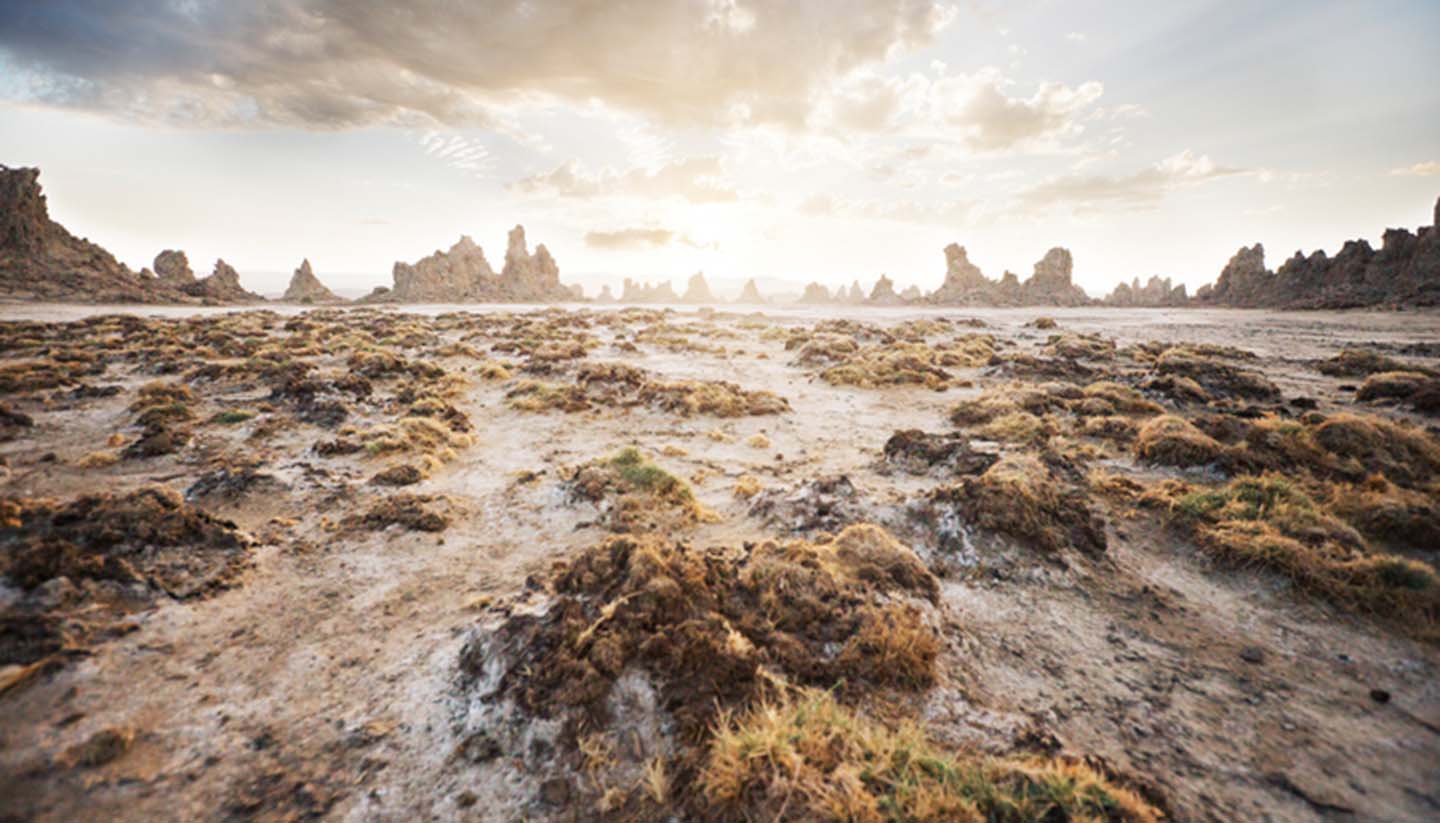
Contrasting strongly with the bright blue skies and the colourful macawis worn by locals, the flat plains outside Djibouti City have a harsh and otherworldly aesthetic, which are celebrated by the local tribespeople in poetry and song. The loose rocks that litter the khaki-coloured ground amid semi-wild herds of camel speak of the country’s volcanic past.
Away from the capital, which is wafted by a cool Red Sea breeze, Djibouti becomes oppressively hot in the summer months. Locals move slowly and purposefully; at least until the daily delivery of khat, a semi-narcotic plant chewed like gum, which seems to stop daily life in its tracks.
If you do manage to defy the heat, there are ample opportunities to connect with the natural world. Visitors can scale the dormant Ardoukoba volcano, explore Lake Assal, the lowest point in Africa, or go snorkelling with whale sharks in the Red Sea. Found in the Bay of Ghoubbet, these slow-moving giants trawl the Djiboutian coast, gorging on plankton.
Exhibiting a blend of African and Arabian culture, the people of Djibouti are equally fascinating. Gracious and welcoming to foreigners, their country still largely works along tribal lines, but it is quiet, unthreatening and small enough to get to grips with. Above all else, though, it’s absolutely stunning.
Key facts
23,200 sq km (8,958 sq miles).
899,598 (UN estimate 2016).
35.7 per sq km.
Djibouti.
Republic.
President Ismail Omar Guelleh since 1999.
Prime Minister Abdoulkader Kamil Mohamed since 2013.
Travel Advice
Your travel insurance could be invalidated if you travel against advice from the Foreign, Commonwealth & Development Office (FCDO).
Areas where FCDO advises against travel
Djibouti-Eritrea border
FCDO advises against all travel to the Djibouti-Eritrea border.
Before you travel
No travel can be guaranteed safe. Read all the advice in this guide. You may also find it helpful to:
- see general advice for women travellers
- read our guide on disability and travel abroad
- see general advice for LGBT+ travellers
- read about safety for solo and independent travel
- see advice on volunteering and adventure travel abroad
Travel insurance
If you choose to travel, research your destinations and get appropriate travel insurance. Insurance should cover your itinerary, planned activities and expenses in an emergency.
About FCDO travel advice
FCDO provides advice about risks of travel to help you make informed decisions. Find out more about FCDO travel advice.
Get travel advice updates
Sign up to get email notifications when this travel advice is updated.
Follow FCDO:
This information is for people travelling on a full ‘British citizen’ passport from the UK. It is based on the UK government’s understanding of Djibouti’s current rules for the most common types of travel.
The authorities in Djibouti set and enforce entry rules. If you’re not sure how these requirements apply to you, contact the Djibouti Embassy in the UK.
Passport validity requirements
To enter Djibouti, your passport must have an ‘expiry date’ at least 6 months after the date you arrive.
Check with your travel provider that your passport and other travel documents meet requirements. Renew your passport if you need to.
You will be denied entry if you do not have a valid travel document or try to use a passport that has been reported lost or stolen.
Dual nationals
When returning to the UK, British citizens must carry a valid British passport or certificate of entitlement. See Dual citizenship.
Visa requirements
You must have a visa to enter Djibouti.
Applying for a visa
You can buy a tourist visa when you arrive in Djibouti with payment in cash in US dollars. You can also apply for a visa online before travelling or contact the Djibouti Embassy. You must have evidence of your onward journey.
Vaccine requirements
To enter Djibouti, you must have a certificate to prove you’ve had a yellow fever vaccination if you’re coming from a country listed as a transmission risk.
For full details about medical entry requirements and recommended vaccinations, see TravelHealthPro’s Djibouti guide.
Customs rules
There are strict rules about goods you can take into or out of Djibouti. You must declare anything that may be prohibited or subject to tax or duty.
This guide also has safety advice for regions of Djibouti.
Terrorism
There is a high threat of terrorist attack globally affecting UK interests and British nationals, including from groups and individuals who view the UK and British nationals as targets. Stay aware of your surroundings at all times.
UK Counter Terrorism Policing has information and advice on staying safe and what to do in the event of a terrorist attack. Find out how to reduce your risk from terrorism while abroad.
Terrorism in Djibouti
Terrorists are likely to try to carry out attacks in Djibouti.
Terrorism attacks could be indiscriminate, including in crowded areas and places frequented by foreign nationals, such as:
- transport hubs
- hotels, restaurants and bars
- shopping areas
- religious events
- sporting events
- military bases
Stay aware of your surroundings, keep up to date with local media reports and follow the advice of local authorities.
The terrorist group Al Shabaab may see Djibouti and international interests within Djibouti as legitimate targets. This is because Djibouti participates in the African Union peacekeeping mission, ATMIS, and joins in international support of the Somali government. Al Shabaab has issued public threats against Djibouti.
Crime
Protecting your belongings
There is a risk of petty crime. Take precautions such as:
- not walking alone late at night
- keeping valuables, particularly cameras and passports, out of sight
Laws and cultural differences
Ramadan
Ramadan is a holy month for Muslims. The dates vary by year and country. During this time, do not:
- eat, drink, smoke or chew gum in public in the daytime, including in your car
- play loud music or dance
- swear in public
Get more advice when you arrive from your tour guide, hotel or business contacts. You should show respect to those who are fasting and take care not to offend local values.
You should also:
- check opening hours of shops and restaurants
- be aware that if hotels and restaurants are providing food or drink in fasting hours, they may separate you from Islamic guests, for example with screens
- be aware that government offices and public institutions may change their working hours during Ramadan
- follow local dress codes – clothing that does not meet local dress codes may cause more offence at this time
- be aware that fasting can cause tiredness, particularly during the later afternoon and early evening
- be patient and show tolerance
Money
Credit and debit cards are not widely accepted. If credit cards are accepted, you often need a Visa card. ATMs are normally available in Djibouti City, but they may not accept Mastercard. Make sure that you carry enough cash.
Alcohol laws
Drinking alcohol is allowed, but you can get a 2-year prison sentence for drunken behaviour.
Using cameras
Photographing infrastructure, such as ports, public buildings, airports, military facilities, and bridges, is prohibited. Your equipment could be confiscated, and you could be arrested. When taking photos near prohibited places, take care and seek local advice if you are unsure.
LGBT+ travellers
Same-sex sexual behaviour is not illegal but is not common in Djiboutian public life. Same-sex couples showing affection in public could attract the attention of the authorities under laws around “good morals”.
Read more advice for LGBT+ travellers.
Transport risks
Road travel
If you are planning to drive in Djibouti, see information on driving abroad.
You can use a UK photocard driving licence to drive in Djibouti for up to 12 months. If you still have a paper driving licence, you may need to update it to a photocard licence or obtain a local Djiboutian driving licence through the Ministry of Interior.
Driving standards
Driving standards are generally poor. Many drivers use the legal narcotic khat, which contributes to speeding and unsafe driving. Roads are often narrow and poorly lit and maintained.
Stay on paved roads and avoid travelling outside city centres after dark. Vehicles often have no lights and livestock may be on the roads. Many large trucks use the main Djibouti-Ethiopia road.
On some major roads police use wire coils as roadblocks, which are not clearly visible at night.
Air travel
The UK Air Safety List (ASL) lists all known airlines in Djibouti that do not meet international safety standards and are banned from operating commercial air services to, from, and within the UK. Check the UK Air Safety List when considering which airlines to fly with. The list is maintained by the Department for Transport, based on advice from the UK Civil Aviation Authority.
Sea travel
There is a significant risk of piracy and armed robbery in the Gulf of Aden and Indian Ocean. Pirates continue to attack fishing dhows around the Horn of Africa. International naval counter-piracy forces advise all sailing yachts to avoid the designated high-risk area where there is risk of hijacking. See piracy and armed robbery at sea.
Extreme weather and natural disasters
Find out what you can do to prepare for and respond to extreme weather and natural hazards.
Flooding
Intense rainfall is rare but can cause flash floods, particularly around Djibouti City. Flash floods can cause:
- major disruption to travel and infrastructure, including schools and public places
- damage to buildings and roads
- water-borne and respiratory disease outbreaks
Stay away from flood areas and follow official advice.
Earthquakes and volcanic eruptions
Earthquakes and volcanic eruptions are a risk in Djibouti. The US Federal Emergency Management Agency website has advice about what to do before, during and after an earthquake.
This section has safety advice for regions of Djibouti. It only covers regions where FCDO has specific advice.
You should also read FCDO’s overall travel advice and safety and security advice.
Military activity in the Red Sea area
There is a risk of military activity is currently underway in response to attempts by Houthi militants to prevent movement of international shipping in the Red Sea. While the area of activity is limited to the Red Sea and Yemen, there is a possibility that the situation could change at short notice. You should:
-
read If you’re affected by a crisis abroad - GOV.UK. This includes guidance on “how to prepare for a crisis” with suggestions on what you might include in your emergency supplies and “what to do in a crisis”
-
sign up to FCDO Travel Advice email alerts
-
monitor local and international media for the latest information
Djibouti-Eritrea border
FCDO advises against all travel to the Djibouti-Eritrea border.
In 2008 there were military clashes between Djibouti and Eritrea after Eritrean forces entered the disputed Djibouti border region. The situation remains fragile and further conflict is possible.
Djibouti-Somaliland border
Take great care if you travel to the Djibouti-Somaliland border. The Djiboutian military have set up roadblocks and checkpoints. Follow the advice given by the authorities and seek military approval for journeys in this area.
Landmines near borders
There are unmarked landmines near the Djibouti-Eritrea border. In other border areas most landmines have been marked or cleared. Djibouti’s borders with Ethiopia and Somalia are not always clearly identified.
Roads north of Tadjoura
Take great care travelling on roads north of Tadjoura and Obock where there are military roadblocks.
Respect advice given by those operating the roadblocks. If required, get formal military approval for your journey.
Before you travel check that:
- your destination can provide the healthcare you may need
- you have appropriate travel insurance for local treatment or unexpected medical evacuation
This is particularly important if you have a health condition or are pregnant.
Emergency medical number
Call 21 35 09 62 or 21 35 27 12 and ask for an ambulance.
Contact your insurance company quickly if you’re referred to a medical facility for treatment.
Vaccine recommendations and health risks
At least 8 weeks before your trip:
- check the latest vaccine recommendations for Djibouti
- see where to get vaccines and whether you have to pay on the NHS travel vaccinations page
See what health risks you’ll face in Djibouti, including:
- dengue
- Zika virus
- schistosoma
Medication
The legal status and regulation of some medicines prescribed or bought in the UK can be different in other countries.
Read best practice when travelling with medicines on TravelHealthPro.
Healthcare in Djibouti
Medical facilities in Djibouti are limited. Make sure you have adequate travel health insurance and accessible funds to cover the cost of any medical treatment abroad and repatriation.
FCDO has a list of medical providers in Djibouti where some staff will speak English.
Travel and mental health
Read FCDO guidance on travel and mental health. There is also mental health guidance on TravelHealthPro.
The Foreign, Commonwealth & Development Office (FCDO) cannot provide tailored advice for individual trips. Read this travel advice and carry out your own research before deciding whether to travel.
Emergency services in Djibouti
Ambulance: 21 35 09 62 or 21 35 27 12
Fire: 18
Police: 17
Contact your travel provider and insurer
Contact your travel provider and your insurer if you are involved in a serious incident or emergency abroad. They will tell you if they can help and what you need to do.
Refunds and changes to travel
For refunds or changes to travel, contact your travel provider. You may also be able to make a claim through insurance. However, insurers usually require you to talk to your travel provider first.
Find out more about changing or cancelling travel plans, including:
- where to get advice if you are in a dispute with a provider
- how to access previous versions of travel advice to support a claim
Support from FCDO
FCDO has guidance on staying safe and what to do if you need help or support abroad, including:
- finding English-speaking lawyers, funeral directors and translators and interpreters in Djibouti
- being arrested or imprisoned in Djibouti
- getting help if you’re a victim of crime
- what to do if you’re in hospital
- if you’re affected by a crisis, such as a terrorist attack
Contacting FCDO
Help abroad
See how to get help from the UK government abroad including in an emergency.
Help in the UK
You can call FCDO in London if you need urgent help because something has happened to a friend or relative abroad.
Telephone: 020 7008 5000 (24 hours)
Get travel advice updates
Sign up to get email notifications when this travel advice is updated.
Follow FCDO:
-
travel advice on Facebook *[FCDO]: Foreign, Commonwealth & Development Office