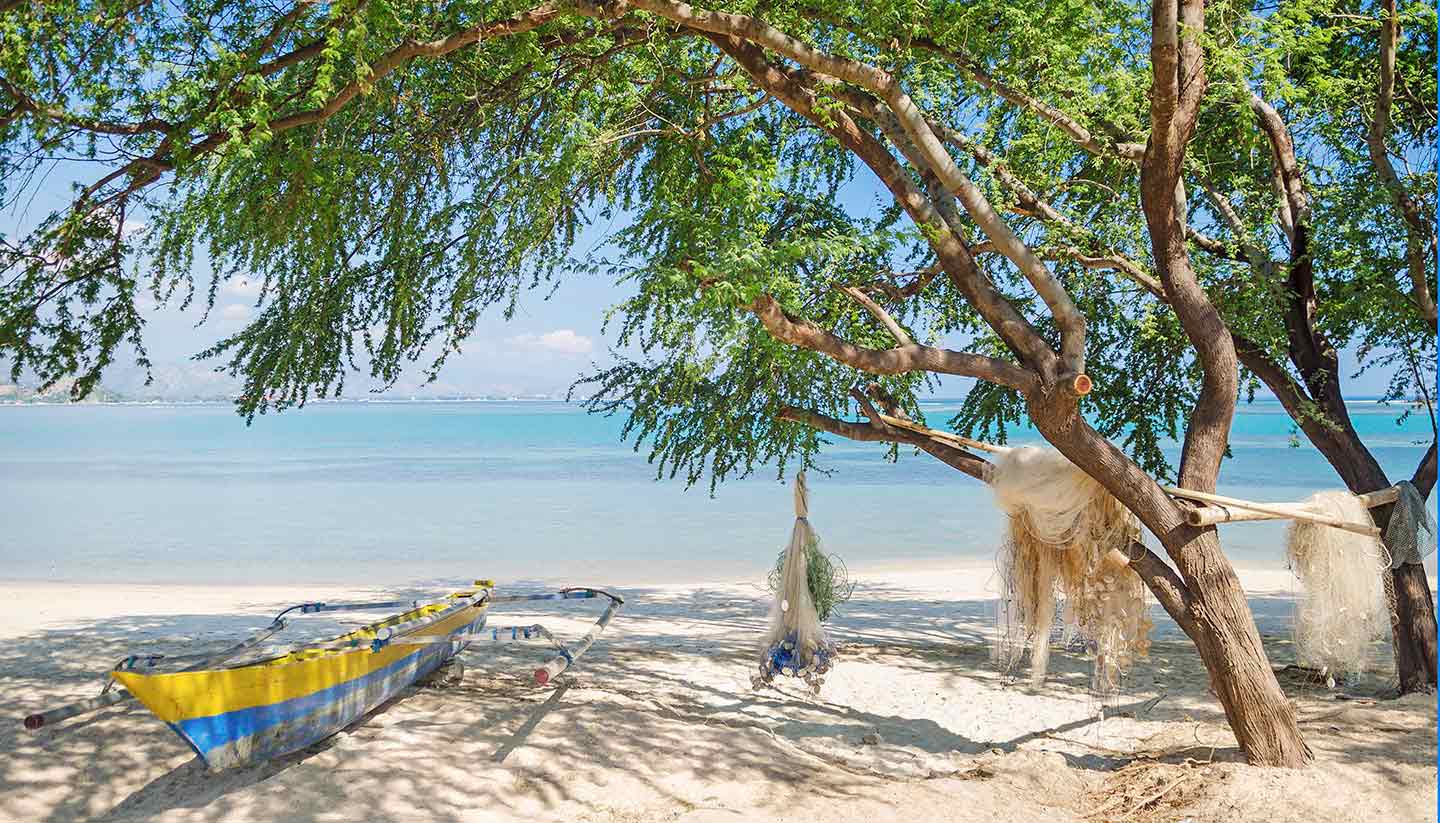

East Timor travel guide
About East Timor
Following its indepedence on 20 May 2002, East Timor became the only Asian country to be located completely in the Southern Hemisphere.
The Portuguese first arrived on the island in the early 16th century and by the 1550s had occupied the eastern part. The Dutch took control of the western part, which became part of the Dutch East Indies and, after independence, Indonesia. In 1975, the new left-wing Portuguese government relinquished all of its colonies. East Timor then enjoyed just a few days of independence, before the Indonesians annexed it as their 27th province. There was little local resistance and the international community largely acquiesced.
In the aftermath, the main independence movement faced a savage counter-insurgency, during which the Indonesian army killed over 100,000 East Timorese. Finally, a referendum was offered to East Timor in 1999, and 80% opted for independence. Violent reprisals by the military followed, but the country eventually became independent.
Colonial architecture, Portuguese fortresses and other treasures from the 100-year Portuguese occupation can be found all over the country. However, many towns and villages were destroyed during the Indonesian occupation and the fighting in 1999, and these are only slowly being rebuilt. Many houses are still erected on stilts in the traditional way, using local materials such as grass, bamboo, tree trunks and palm leaves.
Despite the tragic recent history, East Timor's immaculate reefs, little-trodden mountain paths and rich, traditional cultural that has endured in the face of war make it a true hidden gem. Hiking in the hills will bring you to otherworldly jungle caves, while exploring settlements away from the capital of Dili give a taste of village life. Well off the beaten track, East Timor is still getting back on its feet, but is a raw and compelling destination.
Key facts
14,919 sq km (5,760 sq miles).
1,211,245 (UN estimate 2016).
82.5 per sq km.
Dili.
Republic.
President José Ramos-Horta since 2022.
Prime Minister Taur Matan Ruak since 2018.
Travel Advice
Before you travel
No travel can be guaranteed safe. Read all the advice in this guide. You may also find it helpful to:
- see general advice for women travellers
- read our guide on disability and travel abroad
- see general advice for LGBT+ travellers
- read about safety for solo and independent travel
- see advice on volunteering and adventure travel abroad
Travel insurance
If you choose to travel, research your destinations and get appropriate travel insurance. Insurance should cover your itinerary, planned activities and expenses in an emergency.
About FCDO travel advice
The Foreign, Commonwealth & Development Office (FCDO) provides advice about risks of travel to help you make informed decisions. Find out more about FCDO travel advice.
Get travel advice updates
Sign up to get email notifications when this travel advice is updated.
Follow FCDO:
This information is for people travelling on a full ‘British citizen’ passport from the UK. It is based on the UK government’s understanding of Timor-Leste’s current rules for the most common types of travel.
The authorities in Timor-Leste set and enforce entry rules. If you’re not sure how these requirements apply to you, contact the Timor-Leste Embassy in the UK.
Passport validity requirements
To enter Timor-Leste, your passport must have an ‘expiry date’ at least 6 months after the date you arrive and have 2 blank pages.
Check with your travel provider that your passport and other travel documents meet requirements. Renew your passport if you need to.
You will be denied entry if you do not have a valid travel document or try to use a passport that has been reported lost or stolen.
Dual nationals
When returning to the UK, British citizens must carry a valid British passport or certificate of entitlement. See Dual citizenship.
Visa requirements
You must have a visa to visit Timor-Leste for tourism.
You will be issued a single-entry tourism visa, valid for up to 30 days, when you arrive at Presidente Nicolau Lobato International Airport in Dili, or Dili seaport. The visa costs 30 US dollars, payable only in cash.
Travelling to Oecussi overland
If you plan to travel overland, rather than by ferry, to the exclave of Oecussi, you will need to apply for a separate visa on arrival. This visa is available at the Wini border checkpoint. Alternatively, you can apply for a visa for Oecussi in advance. To do this, you must show your round-trip ticket and complete the required forms at your nearest Timor-Leste embassy or consulate, or at the Office of the Ministry of the Interior in Dili, before you travel.
Entering at the Atambua-Batugade border crossing
If you’re entering Timor-Leste through Indonesia at the Atambua-Batugade border crossing, you can purchase a visa on entry. Alternatively, you can purchase a tourism visa in advance from a Timor-Leste embassy or consulate in either Denpasar or Kupang. These visas are usually single-entry and last for 30 days.
See travel advice for Indonesia for more information.
Extending your tourism visa
You can apply to extend a tourism visa for 30 days. If possible, apply at least 15 days in advance of the tourist visa’s expiry date.
Vaccine requirements
For details about medical entry requirements and recommended vaccinations, see TravelHealthPro’s Timor-Leste guide.
Customs rules
There are strict rules about goods you can take into or out of Timor-Leste. You must declare anything that may be prohibited or subject to tax or duty.
Taking money into Timor-Leste
If you’re planning on bringing cash or travellers cheques worth 20,000 US dollars or more you must get authorisation from the Central Bank of Timor-Leste before you arrive.
Terrorism
There is a high threat of terrorist attack globally affecting UK interests and British nationals, including from groups and individuals who view the UK and British nationals as targets. Stay aware of your surroundings at all times.
UK Counter Terrorism Policing has information and advice on staying safe and what to do in the event of a terrorist attack. Find out how to reduce your risk from terrorism while abroad.
Terrorism in Timor-Leste
Although there’s no recent history of terrorism in Timor-Leste, attacks cannot be ruled out.
Political situation
The security situation in Timor-Leste has improved but there are still underlying tensions, particularly during election periods when the security situation could deteriorate with little warning.
Political demonstrations and local unrest occasionally happen. Minor disputes can become violent. Avoid any demonstrations and large crowds, particularly around Tasi Tolu and Comoro in Dili.
Crime
Crime such as gang-related violence, robbery and assault are common in Timor-Leste. Burglaries are not common but have happened. There have been instances of unmetered taxis charging tourists extortionate prices.
Protecting yourself and your belongings
You can take steps to reduce your personal risk by:
- not displaying expensive items of jewellery
- not carrying large sums of money
- keeping your accommodation locked at all times
- keeping your car doors locked and windows up at all times
- not travelling alone or to isolated areas
- taking care if you go outside after dark
- taking care in areas which are remote and cut off from services
- booking taxis through your hotel, and seeking local advice on appropriate fares
Sexual assault
There have been reports of harassment and violence against travellers, including lewd remarks and indecent exposure. Offenders mostly target women, but may harass men as well. Sexual assault can happen in public places, such as Beach Road in Dili.
Travel as a group if you can, including when exercising outdoors. If possible, avoid using public transport or taxis alone at night.
See advice for women travelling abroad.
Group fights
There is occasional fighting between groups in Timor-Leste, sometimes related to martial arts groups. These incidents often involve stone throwing and occasionally machetes and knives. Most happen at night.
Foreign nationals have not been targeted, but leave the area immediately if you’re aware of fighting.
Laws and cultural differences
Personal ID and travel documents
Carry a copy of the photo page of your passport and entry visa with you in case the authorities ask to see it. Make sure your travel documents are up-to-date and available in case you need to leave at short notice.
Illegal drugs and prison sentences
Do not get involved with illegal drugs. There are severe penalties if you’re convicted.
Money
Credit cards are accepted for payments by few outlets in Timor-Leste. ATMs, banks, and credit card facilities are not common outside of municipal capitals.
There are a few currency exchanges in the country, but exchange rates are poor and sterling may not be accepted. Bring a few small (5 US dollar) notes as larger denomination notes can be difficult to spend. Notes printed before 2009 are usually rejected, but can be changed at the Central Bank in Dili.
Outdoor activities and adventure tourism
Swimming safety
Crocodiles are frequently seen in inland waterways and on the south coast and the eastern region. Occasionally they may be seen at beaches near Dili. Get local advice before going in the water.
See water safety on holiday from the Royal Life Saving Society.
Transport risks
Road travel
If you are planning to drive in Timor-Leste, see information on driving abroad.
You’ll need to have both the correct version of the international driving permit (IDP) and your UK driving licence with you in the car. You cannot buy an IDP outside the UK, so get one before you travel.
Hire car companies often have stricter requirements for their customers, such as a year of driving experience, a higher minimum age and holding an IDP. If you hire a car in Timor-Leste it’s likely you’ll have to hire a driver as well.
Driving and road conditions
Roads are generally in poor condition and accidents, particularly involving motorbikes and scooters, are common.
Main routes are often single-track mountain roads, which can deteriorate quickly and become impassable, particularly during the rainy season from November to April.
Outside Dili, travel in convoy whenever possible because of the lack of emergency services, poor road conditions and cars driving without lights at night.
Sea travel
There have been incidents of piracy on the waters around Timor-Leste. Consider taking precautions against piracy attacks.
Extreme weather and natural disasters
Find out what you can do to prepare for and respond to extreme weather and natural hazards.
Rainy season
The rainy season in Timor-Leste normally runs from November to April. Heavy rains can cause flash flooding and landslides. Monitor local and international weather updates from the World Meteorological Organisation. Take extreme care when walking on flooded pavements or roads in Dili. Uncovered manholes can lead to injuries or drowning.
Earthquakes
Earthquakes are a risk in Timor-Leste, although there has not been a significant one since 2005. The US Federal Emergency Management Agency website has advice about what to do before, during and after an earthquake.
Before you travel check that:
- your destination can provide the healthcare you may need
- you have appropriate travel insurance for local treatment or unexpected medical evacuation
This is particularly important if you have a health condition or are pregnant.
Emergency medical number
Call 110, +670 331 1044 or +670 723 3212 and ask for an ambulance.
Emergency medical services in Timor-Leste are unreliable. Make your own way to hospital if you can.
There may be other numbers for the areas you visit – ask your hotel or the local police.
Contact your insurance company quickly if you’re referred to a medical facility for treatment.
Vaccine recommendations and health risks
At least 8 weeks before your trip:
- check the latest vaccine recommendations for Timor-Leste
- see where to get vaccines and whether you have to pay on the NHS travel vaccinations page
Go to TravelHealthPro to see what health risks you’ll face in Timor-Leste, including:
- rabies (Oecusse exclave, Bobonaro and Covalima municipalities, and possibly elsewhere)
- chikungunya
- dengue
- gastroenteritis
- typhoid
- hepatitis
- tuberculosis
Altitude sickness is a risk in parts of Timor-Leste. Read more about altitude sickness on TravelHealthPro.
Medication
The legal status and regulation of some medicines prescribed or bought in the UK can be different in other countries.
Read best practice when travelling with medicines on TravelHealthPro.
Healthcare in Timor-Leste
Medical services in Timor-Leste are limited, particularly outside Dili.
In a medical emergency, it’s likely you’ll need to be evacuated to Australia or Singapore. However, medical evacuation is difficult because of the limited number of airlines from Timor-Leste. You should make sure you have adequate travel health insurance and accessible funds to cover the cost of any medical treatment abroad and repatriation.
Travel and mental health
Read FCDO guidance on travel and mental health. There is also mental health guidance on TravelHealthPro.
The Foreign, Commonwealth & Development Office (FCDO) cannot provide tailored advice for individual trips. Read this travel advice and carry out your own research before deciding whether to travel.
Emergency services in Timor-Leste
Ambulance: 110 or +670 331 1044
Fire: 115 or +670 331 0340
Police: 112 or +670 331 1380
Emergency numbers are unreliable in Timor-Leste.
Contact your travel provider and insurer
Contact your travel provider and your insurer if you are involved in a serious incident or emergency abroad. They will tell you if they can help and what you need to do.
Refunds and changes to travel
For refunds or changes to travel, contact your travel provider. You may also be able to make a claim through insurance. However, insurers usually require you to talk to your travel provider first.
Find out more about changing or cancelling travel plans, including:
- where to get advice if you are in a dispute with a provider
- how to access previous versions of travel advice to support a claim
Support from FCDO
FCDO has guidance on staying safe and what to do if you need help or support abroad, including:
- dealing with a death abroad
- being arrested or imprisoned abroad
- getting help if you’re a victim of crime
- what to do if you’re in hospital
- if you’re affected by a crisis, such as a terrorist attack
Contacting FCDO
Help abroad
See how to get help from the UK government abroad including in an emergency.
Emergency consular services for British nationals are provided by the New Zealand Embassy in Dili (24-hour emergency number: +670 7732 1015).
Help in the UK
You can call FCDO in London if you need urgent help because something has happened to a friend or relative abroad.
Telephone: 020 7008 5000 (24 hours)
Get travel advice updates
Sign up to get email notifications when this travel advice is updated.
Follow FCDO: