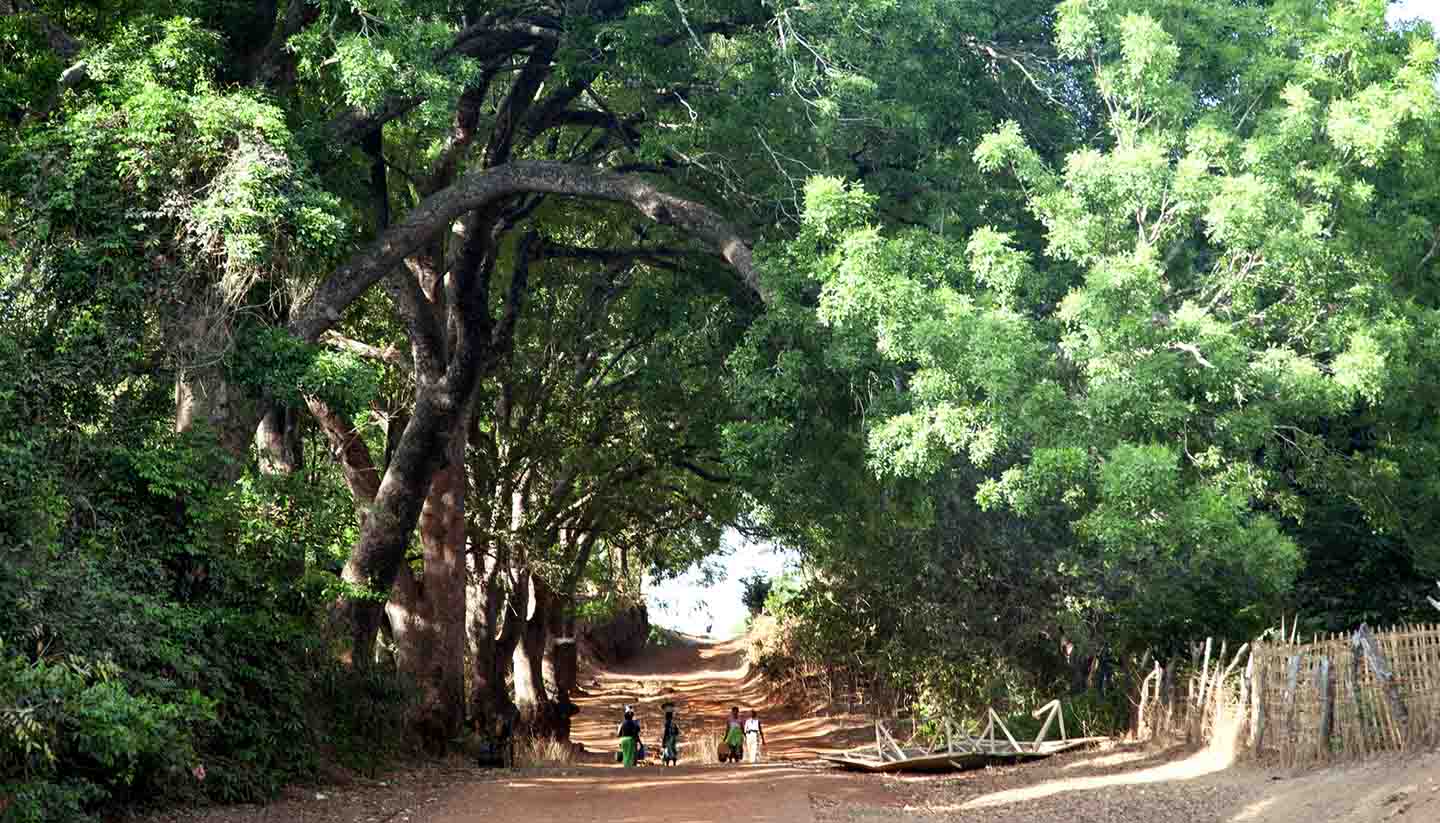

Guinea-Bissau travel guide
About Guinea-Bissau
Though better known for its military coups and government crises, Guinea-Bissau’s swashbuckling charm, faded grandeur and stunning natural assets prove some things are above politics.
Sandwiched between Senegal and Guinea, this diminutive nation has a decidedly Latin vibe and is one of the few African countries to celebrate Carnival. Every February there is a riotous display of colour and culture when the streets of Bissau, the capital, are overrun with dancers festooned in traditional garb. They strut their stuff to drum beats that could raise the dead and rumbustious applause from adoring crowds.
Bissau’s roads are potholed and the electricity supply is erratic, but the dilapidated capital has rugged, timeworn charm. The grandeur of its Portuguese past is well behind it: like an aged model the city’s colonial beauty has faded, but there’s still a twinkle in its eye and an affable spirit that captivates visitors. It’s small and easy to navigate, too, with a few lively bars and restaurants serving up a traditional slice of local life.
For nature lovers the Bijagós Archipelago, which floats just off the coast, is a unique highlight. It is in this UNESCO-listed national park that visitors can search for rare pygmy hippos, which wallow in limpid lagoons. They’re not the only attraction: the ocean around the 88-island archipelago is home to sharks, manatees and turtles, not mention myriad migratory birds, which holiday here during the European winter. Pack your binoculars.
Travelling in Guinea-Bissau is not always easy, but for those with a sense of adventure and an open mind it can be extremely rewarding. Political instability and poverty may have beset this small nation, but the joie de vivre of its inhabitants endures and the country remains quietly brilliant.
Key facts
36,125 sq km (13,948 sq miles).
1,888,429 (UN estimate 2016).
47.8 per sq km.
Bissau.
Republic.
Transitional President Horta Inta-A Na Man since 2025.
Prime Minister Ilídio Vieira Té since 2025.
Travel Advice
Before you travel
No travel can be guaranteed safe. Read all the advice in this guide. You may also find it helpful to:
- see general advice for women travellers
- read our guide on disability and travel abroad
- see general advice for LGBT+ travellers
- read about safety for solo and independent travel
- see advice on volunteering and adventure travel abroad
Travel insurance
If you choose to travel, research your destinations and get appropriate travel insurance. Insurance should cover your itinerary, planned activities and expenses in an emergency.
About FCDO travel advice
The Foreign, Commonwealth & Development Office (FCDO) provides advice about risks of travel to help you make informed decisions. Find out more about FCDO travel advice.
Get travel advice updates
Sign up to get email notifications when this travel advice is updated.
Follow FCDO:
This information is for people travelling on a full ‘British citizen’ passport from the UK. It is based on the UK government’s understanding of Guinea-Bissau’s current rules for the most common types of travel.
The authorities in Guinea-Bissau set and enforce entry rules. If you’re not sure how these requirements apply to you, contact the Guinea-Bissau Embassy in Paris, France:
94 Rue St Lazare, 75009 Paris
Email: embgbfr@gmail.com
Telephone: +33 (0)1 48 74 36 39 or +33 (0)1 48 78 36 69
Passport validity requirements
To enter Guinea-Bissau, your passport must have an ‘expiry date’ at least 6 months after the date you arrive.
Check with your travel provider that your passport and other travel documents meet requirements. Renew your passport if you need to.
You will be denied entry if you do not have a valid travel document or try to use a passport that has been reported lost or stolen.
Dual nationals
When returning to the UK, British citizens must carry a valid British passport or certificate of entitlement. See Dual citizenship.
Visa requirements
You must have a visa to visit Guinea-Bissau.
Applying for a visa
Contact the Guinea-Bissau Embassy in Paris, France, for information on applying for a visa:
94 Rue St Lazare, 75009 Paris
Email: embgbfr@gmail.com
Telephone: +33 (0)1 48 74 36 39 or +33 (0)1 48 78 36 69
Guinea-Bissau also has embassies in neighbouring countries, including Senegal, where you may be able to get a visa.
Vaccine requirements
To enter Guinea-Bissau, you must have a certificate to prove you’ve had a yellow fever vaccination.
For more details about medical entry requirements and recommended vaccinations, see TravelHealthPro’s Guinea-Bissau guide.
Customs rules
There are strict rules about goods you can take into or out of Guinea-Bissau. You must declare anything that may be prohibited or subject to tax or duty.
Terrorism
There is a high threat of terrorist attack globally affecting UK interests and British nationals, including from groups and individuals who view the UK and British nationals as targets. Stay aware of your surroundings at all times.
UK Counter Terrorism Policing has information and advice on staying safe abroad and what to do in the event of a terrorist attack. Find out how to reduce your risk from terrorism while abroad.
Terrorism in Guinea-Bissau
Although there is no recent history of terrorism in Guinea-Bissau, attacks cannot be ruled out.
Attacks could be indiscriminate, including in places frequented by foreign nationals. Stay aware of your surroundings, keep up to date with local media reports and follow the advice of local authorities.
Political situation
Guinea-Bissau suffers from political instability. In the event of any political unrest follow the advice of local authorities and monitor local media for information. Stay alert to local developments and avoid sensitive areas like military installations and government buildings. Avoid demonstrations or large public gatherings.
If you have any doubts about the level of security in an area, stay at home or in your hotel.
Crime
Pickpocketing and bag and phone snatching are relatively common in the capital city, Bissau. Where possible, keep valuables such as phones hidden when out in public.
Be especially careful in remote areas where security forces have a limited presence.
Landmines
Landmines remain a risk in parts of the country, and demining operations continue. The national demining centre (CAAMI) declared Bissau free from landmines. Outside of Bissau, take local advice and stay on paved roads.
Laws and cultural differences
Personal ID
You must carry ID such as a passport or residence permit, particularly when driving or in a taxi. Police forces regularly ask for ID.
Illegal drugs and prison sentences
There are severe penalties for all drug offences. Local prison conditions are harsh.
LGBT+ travellers
Same-sex sexual relationships are not criminalised. However, Guinea-Bissau is a conservative society and same-sex couples showing affection in public may attract unwanted and negative attention.
Read more advice for LGBT+ travellers.
Money
Guinea-Bissau is a cash-based economy. Credit cards are rarely used and there are not many ATMs in the country. If you need to exchange foreign currency, use an official bureau de change.
Transport risks
Road travel
If you are planning to drive in Guinea-Bissau, see information on driving abroad.
You can use a UK photocard driving licence to drive in Guinea-Bissau for up to 3 months. If you still have a paper driving licence, you may need to update it to a photocard licence or get the correct version of the international driving permit (IDP) as well. You’ll also need a registration card number with you in the vehicle – your car hire firm should provide this.
It’s recommended you get local car insurance recognised by the Economic Community of West African States (ECOWAS) Brown Card scheme.
Hire car companies often have stricter requirements for their customers, such as a year of driving experience, a higher minimum age and holding an IDP.
Drink-driving is a serious offence in Guinea-Bissau. If you are tested and found to have any alcohol in your system, you may get a fine and a possible prison sentence.
Road conditions
Traffic is generally light but driving standards and road conditions, including in Bissau, are poor. Avoid road travel at night and take suitable precautions in the rainy season, which runs from June to October. Heavy rains can make road and driving conditions difficult.
Before you travel check that:
- your destination can provide the healthcare you may need
- you have appropriate travel insurance for local treatment or unexpected medical evacuation
This is particularly important if you have a health condition or are pregnant.
Emergency medical number
Call 1313 and ask for an ambulance.
Contact your insurance company quickly if you’re referred to a medical facility for treatment.
Vaccine recommendations and health risks
At least 8 weeks before your trip:
- check the latest vaccine recommendations for Guinea-Bissau
- see where to get vaccines and whether you have to pay on the NHS travel vaccinations page
See what health risks you’ll face in Guinea-Bissau, including:
- dengue
- Zika virus
- yellow fever
- schistosomiasis
- malaria
HIV/AIDS
The United Nations International Children’s Emergency Fund’s report for 2022 estimated that 34,000 people (adults and children) in Guinea-Bissau were living with HIV. The prevalence percentage was estimated at around 2.4% of the adult population compared to the prevalence percentage in adults in the UK of around 0.2%. You should use normal precautions to avoid exposure to HIV/AIDS.
Medication
Pharmacies in Guinea-Bissau are limited and may sometimes lack supplies. Pharmacies will accept UK prescriptions and are the only place you can buy medicines. Pharmacies in Guinea-Bissau do not have accreditation with UK insurance companies, so speak to your insurance company beforehand if you need a refund.
The legal status and regulation of some medicines prescribed or bought in the UK can be different in other countries.
Read best practice when travelling with medicines on TravelHealthPro.
Healthcare in Guinea-Bissau
Medical facilities in Guinea-Bissau are extremely limited and hospitals are not fully operational. Make sure you have adequate travel health insurance and accessible funds to cover the cost of any medical treatment abroad and repatriation.
Travel and mental health
Read FCDO guidance on travel and mental health. There is also mental health guidance on TravelHealthPro.
The Foreign, Commonwealth & Development Office (FCDO) cannot provide tailored advice for individual trips. Read this travel advice and carry out your own research before deciding whether to travel.
Emergency services in Guinea-Bissau
Ambulance: 1313
Fire: 1313
Police: 117
Contact your travel provider and insurer
Contact your travel provider and your insurer if you are involved in a serious incident or emergency abroad. They will tell you if they can help and what you need to do.
Refunds and changes to travel
For refunds or changes to travel, contact your travel provider. You may also be able to make a claim through insurance. However, insurers usually require you to talk to your travel provider first.
Find out more about changing or cancelling travel plans, including:
- where to get advice if you are in a dispute with a provider
- how to access previous versions of travel advice to support a claim
Support from FCDO
FCDO has guidance on staying safe and what to do if you need help or support abroad, including:
- being arrested or imprisoned in Guinea-Bissau
- dealing with a death abroad
- getting help if you’re a victim of crime
- what to do if you’re in hospital
- if you’re affected by a crisis, such as a terrorist attack
Contacting FCDO
Help abroad
See how to get help from the UK government abroad including in an emergency.
Help in the UK
You can call FCDO in London if you need urgent help because something has happened to a friend or relative abroad.
Telephone: 020 7008 5000 (24 hours)
Get travel advice updates
Sign up to get email notifications when this travel advice is updated.
Follow FCDO: