
Kuwait travel guide
About Kuwait
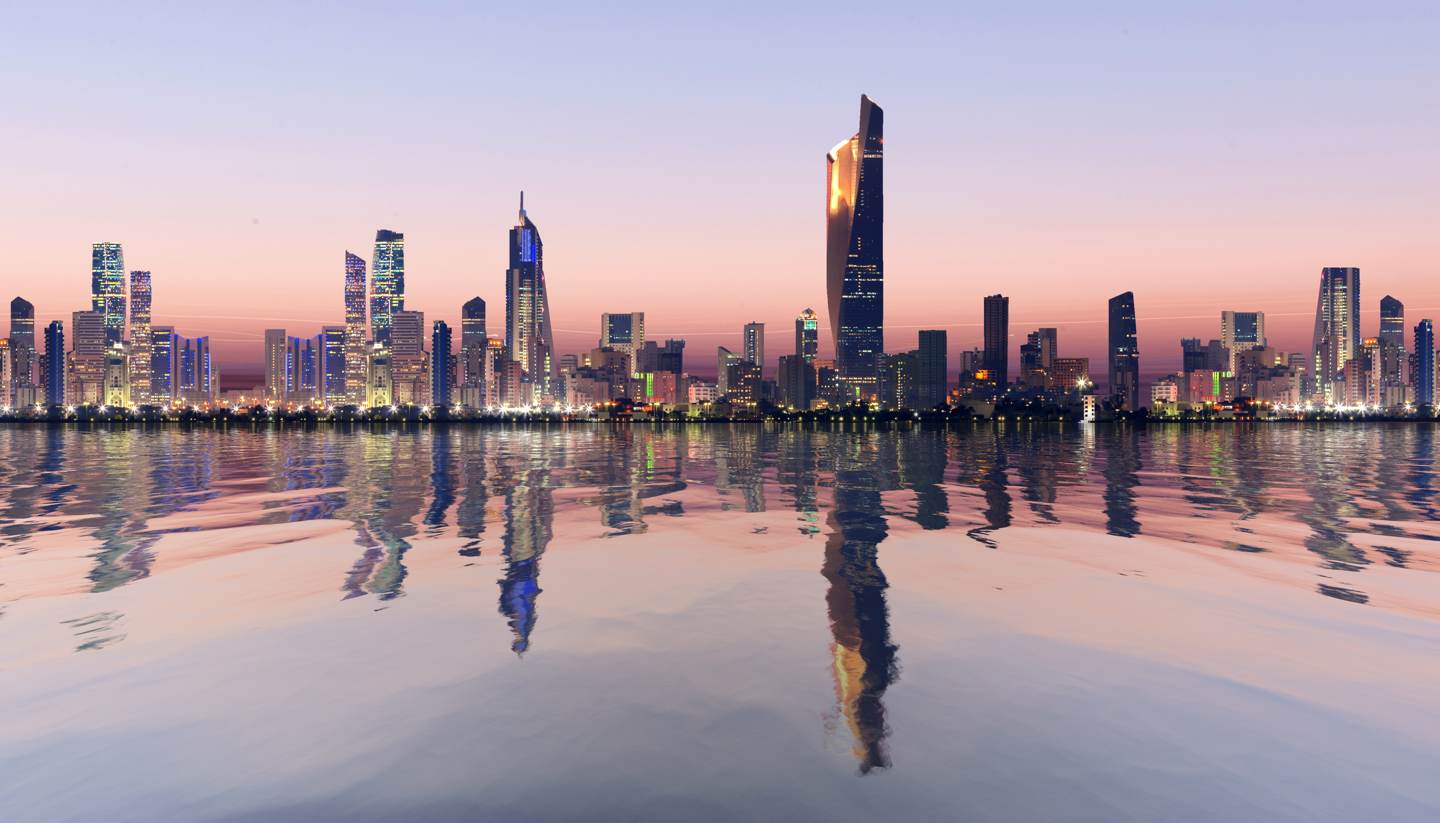
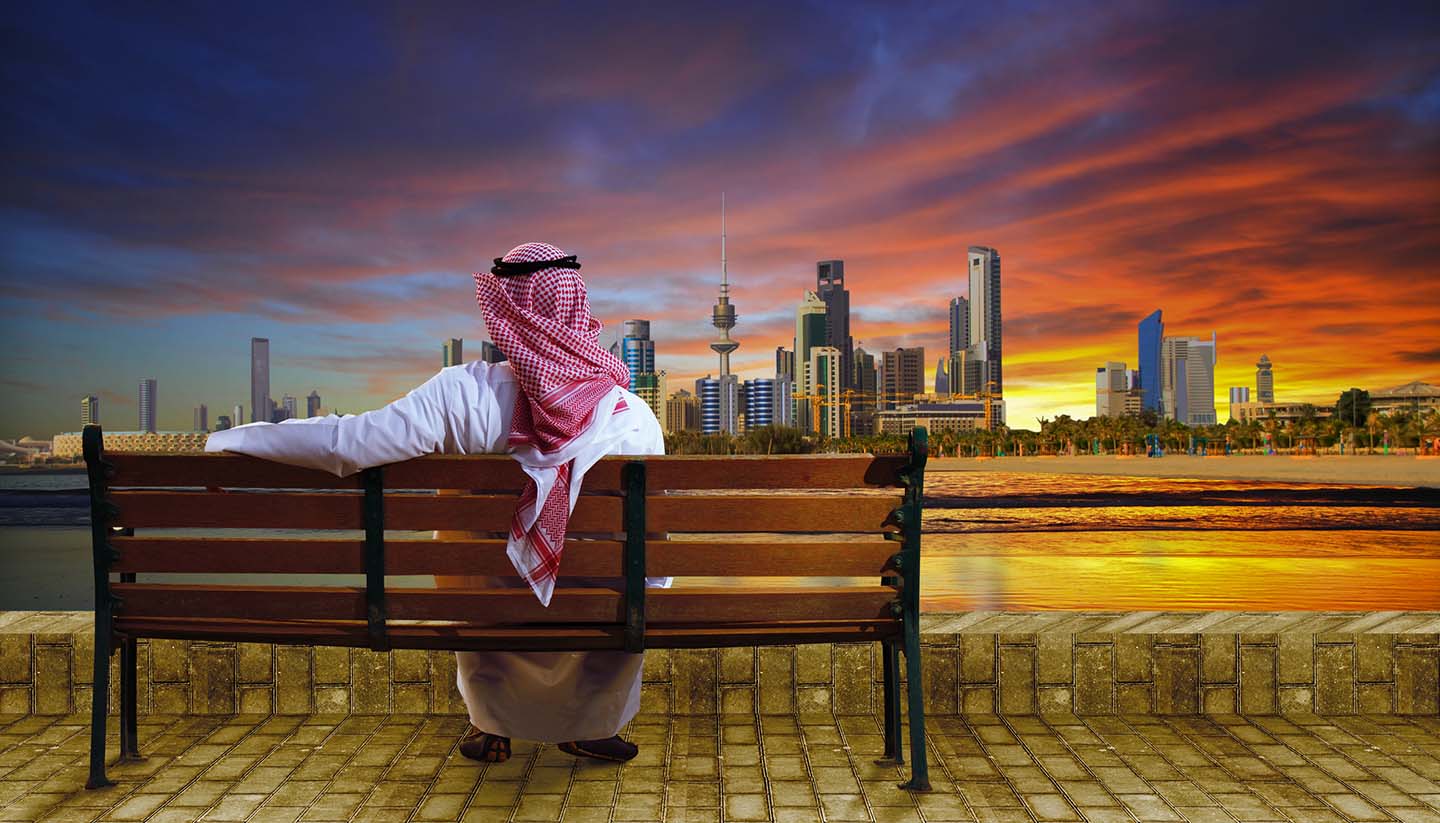
In Kuwait you'll find an intriguing mix of Western liberalism and traditional Islamic culture. The capital, Kuwait City, is a bustling metropolis of high-rise buildings and luxury hotels, while the Gulf country is also home to spectacular mosques and palaces. Religion is an integral part of daily life here.
This juxtaposition perhaps stems from Kuwait's marrying of Islamism with oil wealth, which for decades has earned it the attention of Western powers. Upon independence from Britain in 1961, Sheikh Abdullah assumed head of state, adopting the title of emir. The large revenues from oil production allowed independent Kuwait to build up its economic infrastructure and institute educational and social welfare programmes.
In the early 1990s, the emir established a National Assembly (Majlis), which placed limits on the power of the ruling family. Since then, the national assembly has clashed several times with the emir and the cabinet (which is still dominated by the al-Sabah family) over misuse of state funds and poor management of the all-important oil industry. Underlying these disputes is the growing impression that the ageing al-Sabah clan is no longer capable of running the country. However, they continue to dominate Kuwaiti policies.
Surrounded by three major Middle Eastern powers, Kuwait became the target of Iraqi territorial claims, leading to Saddam Hussein's invasion of the country in 1990. The Kuwaitis later recovered their country by virtue of a US-led, UN-backed multinational military force.
After a period of euphoria, the Kuwaitis had to address a number of difficult questions; the future security of the country was dealt with by the signing of defence and security pacts with the USA, the UK and Kuwait's Gulf allies. More recently, Kuwait was one of the first countries to join Operation Iraqi Freedom following the US-led war against Iraq, and provided aid and support during Iraq's (ongoing) process of reconstruction.
Beyond the geopolitical dimension, Kuwait is a fascinating country with much elaborate architecture and a superb culinary tradition. Its inhabitants are a warm, welcoming bunch, while the fact that Kuwait is a bit less glitzy than other oil-rich Gulf countries means that it can feel like a haven of tradition Arab culture.
Key facts
17,818 sq km (6,880 sq miles).
4,007,146 (UN estimate 2016).
156.5 per sq km.
Kuwait City.
Constitutional emirate.
Sheikh Mishal Al Ahmad Al Jabir Al Sabah since 2023.
Prime Minister Sheikh Sabah Al Khaled Al Hamad Al Sabah since 2024.
Travel Advice
Regional tensions
The US and Iran announced a memorandum of understanding (MOU) on 17 June in relation to the conflict in the Middle East, however the situation in the Middle East remains unpredictable. Since 8 July there have been strikes and retaliatory attacks by Iran in a number of locations across the region, including Kuwait, against US military and civilian infrastructure. There is a risk of more attacks and unforeseen escalation in the region. Before the ceasefire, the Iranian regime had stated its intention to target locations associated with the US and Israel, including organisations, businesses, facilities, and institutions.
British nationals currently in the Middle East should be prepared for possible flight cancellations, periodic airspace closures, and potential travel disruptions, and should:
- read If you’re affected by a crisis abroad - GOV.UK. This includes guidance on “how to prepare for a crisis” with suggestions on what you might include in your emergency supplies and “what to do in a crisis”
- sign up to FCDO Travel Advice email alerts
- follow advice from the local authorities
- monitor local and international media for the latest information, including updates relating to airports and airspace which could close at short notice
- stay away from areas around security or military facilities
- keep your departure plans under review, and ensure your travel documents are up to date
- if advised to take shelter, stay indoors or find the nearest safe building or designated shelter. An interior stairwell or a room with as few external walls or windows as possible may provide additional protection. The greatest risk is from falling debris caused by intercepts, and you are safest inside a secure structure. Do not approach or touch any drone or missile fragments or unusual objects
Travelling to or transiting through Kuwait
Kuwait International Airport is currently operating through Terminals 4 and 5, serving Kuwait Airways, Jazeera Airways and foreign carriers, while Terminal 1 remains closed. Flight schedules remain reduced. Check details with your airline before travelling and follow local guidance.
Before you travel
No travel can be guaranteed safe. Read all the advice in this guide. You may also find it helpful to:
- see general advice for women travellers
- read our guide on disability and travel abroad
- see general advice for LGBT+ travellers
- read about safety for solo and independent travel
- see advice on volunteering and adventure travel abroad
Travel insurance
If you choose to travel, research your destinations and get appropriate travel insurance. Insurance should cover your itinerary, planned activities and expenses in an emergency.
About FCDO travel advice
The Foreign, Commonwealth & Development Office (FCDO) provides advice about risks of travel to help you make informed decisions. Find out more about FCDO travel advice.
Get travel advice updates
Sign up to get email notifications when this travel advice is updated.
Follow FCDO:
This information is for people travelling on a full ‘British citizen’ passport from the UK. It is based on the UK government’s understanding of Kuwait’s current rules for the most common types of travel.
The authorities in Kuwait set and enforce entry rules. If you’re not sure how these requirements apply to you, contact the Kuwaiti Embassy in the UK:
2 Albert Gate
London, SW1X 7JU
Telephone: 020 7590 3400
Passport validity requirements
To enter Kuwait, your passport must have an ‘expiry date’ at least 6 months after the date you arrive.
Check with your travel provider that your passport and other travel documents meet requirements. Renew your passport if you need to.
You will be denied entry if you do not have a valid travel document or try to use a passport that has been reported lost or stolen.
Previous travel to Israel
If your passport contains an Israeli stamp, you may be refused a visa or entry to Kuwait.
Dual nationals
When returning to the UK, British citizens must carry a valid British passport or certificate of entitlement. See Dual citizenship.
Visa requirements
You must have a visa to visit Kuwait.
Applying for a visa
You can get a visa on arrival in Kuwait or online. More information is available from the Kuwait Ministry of Interior.
British citizens born in Afghanistan, Iran, Iraq, Lebanon, Pakistan, Sudan, Syria or Yemen are not eligible for visa on arrival and must obtain a visa from the Kuwaiti Embassy before travelling.
Checks at border control
You must be able to show:
- a ticket for return or onward travel
- proof of your accommodation, for example, a hotel booking
- work visas (both public and private sector) require further documents from employer. See further details on visas and requirements
Additional processing at airports
Kuwaiti authorities may apply additional checks to some British nationals on arrival, particularly those born outside the UK, including from parts of the Middle East or South Asia. This may result in delays, additional questioning, or, in some cases, refusal of entry.
Entry decisions are made by the Kuwaiti authorities.
If you are concerned that you may be affected, consider checking with the Kuwaiti Embassy in London before you travel or applying for a visa in advance.
Working or living in Kuwait
For work or residency visas, apply to the Kuwaiti Embassy in London.
If you’re applying for a residency visa, your passport must be valid for at least 2 years. Your employers should not keep your passport.
For further information, read about living in Kuwait.
Vaccine requirements
For details about medical entry requirements and recommended vaccinations, see TravelHealthPro’s Kuwait guide.
Customs rules
There are strict rules about goods you can take into or out of Kuwait. You must declare anything that may be prohibited or subject to tax or duty. Failure to declare could result in:
- imprisonment
- refusal of entry and possible deportation
It is illegal to import:
- narcotics
- alcohol
- gambling machines
- pork and pork products
- pornographic material
Taking money into Kuwait
Declare cash or travellers cheques if the value is 3000 Kuwaiti dinars (£7,500) or more. You will get a certified declaration to show you brought it in with you. If you do not, your money could be seized when you leave.
Terrorism
There is a high threat of terrorist attack globally affecting UK interests and British nationals, including from groups and individuals who view the UK and British nationals as targets. Stay aware of your surroundings at all times.
UK Counter Terrorism Policing has information and advice on staying safe abroad and what to do in the event of a terrorist attack. Find out how to reduce your risk from terrorism while abroad.
Terrorism in Kuwait
In the context of regional escalation, Iran-aligned militia groups have threatened to target US interests across the region and have claimed attacks in Jordan and Iraq. US bases in Kuwait have also been hit by missile and drone fire. These groups are likely to continue to carry out these attacks in Kuwait.
As was the case before the recent regional escalation, terrorist attacks in Kuwait cannot be ruled out. Terrorists have threatened to carry out attacks in the Gulf region, including on:
- residential compounds
- restaurants and hotels
- beaches
- shopping centres
- mosques
- military, oil, transport and aviation interests
Stay aware of your surroundings, keep up to date with local media reports and follow the advice of local authorities.
Political situation
Recent developments in the Middle East have heightened tensions in the region. Planned and pre-approved peaceful protests are legal, however these are for Kuwaiti citizens only.
There have also been minor, isolated cases of vandalism aimed at some international companies, or calls for them to be boycotted.
Be mindful of local sensitivities on these issues, stay away from demonstrations or developing crowds and follow the advice of the local authorities.
Crime
Violent crime against foreigners is rare. However, take care if you plan to travel to Jahra or Jleeb Al Shuyoukh, where there have been incidents of robberies, petty theft and road rage.
Border crossings
It is illegal and dangerous to go near Kuwait’s borders without authorisation. Armed guards regularly patrol these areas.
Kuwait-Saudi Arabia border
It is easy to miss the border posts between Kuwait and Saudi Arabia. You must only use an authorised land border crossing and make sure to get an exit or entry stamp before you continue your journey.
Kuwait-Iraq border
If you plan to cross the border from Kuwait into Iraq, make sure you have the correct paperwork. See the Iraqi Embassy to Kuwait website for more information.
Landmines and unexploded weapons
There are landmines and other unexploded weapons in Kuwait.
You should:
- avoid off-road driving
- stay on clearly marked identifiable tracks if you travel off-road
- take great care even if an area has been officially cleared
- not pick up metal, plastic or other objects
Laws and cultural differences
Kuwait is a Muslim country. Always respect local traditions, customs, laws and religions. Make sure your actions do not offend other cultures or religious beliefs, especially during the holy month of Ramadan or if you visit religious areas.
Personal ID
As a visiting foreign national, you must always carry your passport. If you are resident in Kuwait, you must always carry your Kuwaiti civil identification card.
Keep copies of your passport photo page and your visa or entry stamp in a separate place.
Ramadan
Ramadan is a holy month for Muslims. The dates vary by year and country. During this time, do not:
- eat, drink, smoke or chew gum in public in the daytime, including in your car
- play loud music or dance
- swear in public
Get more advice when you arrive from your tour guide, hotel or business contacts.
You should also:
- check opening hours of shops and restaurants
- be aware that if hotels and restaurants are providing food or drink in fasting hours, they may separate you from Islamic guests, for example with screens
- follow local dress codes – clothing that does not meet local dress codes may cause more offence at this time
- be aware that driving may be erratic, particularly when people are trying to get home at dusk
- be patient and show tolerance
Dress code
Dress and behave modestly in public, particularly in downtown or conservative areas. Women should avoid wearing shorts or tight-fitting or revealing clothing.
Do not expose body piercings or tattoos that may be perceived as extreme or offensive – for example, you could be accused of violating religious sanctity for a tattoo of verse from the holy Quran in Arabic.
Relationships outside of marriage
It is illegal for an unmarried couple to live together in the same house or stay in the same hotel room. You will be asked to provide a marriage certificate if sharing a hotel room.
Public behaviour
It’s illegal to insult or humiliate any person verbally or through obscene gestures in a public place, including a police officer, public official or private individual. Police may arrest you and conviction may lead to prosecution, imprisonment, or immediate deportation.
It is frowned on for men and women to show affection in public.
Alcohol laws
Alcohol is illegal. Buying, selling or carrying it, as well as public intoxication, can lead to fines, imprisonment and deportation. Consuming illegally produced alcohol poses severe health risks, including methanol poisoning, which can cause blindness, organ failure or death.
Illegal drugs penalties
Kuwait has zero tolerance for drug-related offences. Penalties for drug smuggling or trafficking include the death sentence. Offences involving minors or committed in schools, hospitals, prisons or other protected locations can result in life imprisonment or the death penalty.
Possession or use of illegal drugs, including for small or residual amounts, can lead to a prison sentence of between 5 and 10 years, and heavy fines. Bail is not usually given and even if found not guilty, defendants can expect to spend several months in detention while the case progresses through the judicial system.
Wearing, using, or displaying items that promote or encourage narcotics, including logos on clothing, constitutes an offence and may result in significant fines.
Using cameras in secure areas
It is illegal to photograph or take videos of:
- government buildings
- military buildings
- industrial buildings or oil-related infrastructure
- other restricted areas such as borders and oil fields
- record people without their knowledge or consent
Unpaid fines and bills
All foreign nationals must pay traffic fines, phone bills and utility bills before they leave Kuwait. The Kuwaiti authorities may:
- stop you from leaving the country
- arrest you, or send you to prison
- fine you
- deport you, and not allow you to return to Kuwait
- refuse renewal of your residency card or re-entry visa
Financial crimes
Bouncing cheques is illegal and the law does not provide for offenders to be released from custody on bail.
Commercial disputes
If you’re involved in a commercial dispute with a Kuwaiti company or individual, the Kuwaiti authorities may prevent you from leaving the country until it is resolved.
LGBT+ travellers
Same-sex activity is illegal.
Read more advice for LGBT+ travellers.
Transport risks
Road travel
If you are planning to drive in Kuwait, see information on driving abroad.
If you have a visit visa, you can drive in Kuwait using a UK photocard driving licence. If you still have a paper driving licence, you may need to update it to a photocard licence or get the correct version of the international driving permit (IDP) as well.
There is also guidance on driving if you live in Kuwait.
Driving offences
Kuwait has introduced stricter traffic laws, with significantly increased fines and penalties. Offences such as speeding, using a mobile phone while driving, and running red lights can result in heavy fines, imprisonment or deportation.
Car insurance
You must get third-party insurance in Kuwait before you drive.
If you hire a car, you can usually get insurance through the hire company. If you drive a relative or friend’s car, you’re responsible for getting insurance. You must always keep the insurance document with you while driving.
Car accidents
If you have a major accident, where there are serious injuries or a vehicle is not drivable:
- stay with your vehicle if it is safe to do so
- call the police on 112
- do not move the vehicle before the police arrive
If you have a minor accident, where there are no serious injuries:
- take pictures of vehicle damage if it is safe to do so
- record licence plate numbers of vehicles involved
- move your vehicle to avoid blocking traffic if it is drivable - you can get a fine if you do not do this
- call the police on 112 and follow their instructions
Drink-driving
Drink-driving is a serious offence in Kuwait. If you are tested and found to have any alcohol in your system, you may get a fine, imprisonment, or deportation and the withdrawal of your driving licence.
Driving conditions
Driving conditions are hazardous. Many drivers pay little attention to other road users and may:
- drive faster than speed limits
- switch lanes without warning
- ignore traffic lights
- use mobile phones while driving
Sea travel
Many areas of the Gulf are highly sensitive, including near:
- maritime boundaries
- Bubiyan and Warbah, northern Gulf islands
- Abu Musa and the Tunbs, southern Gulf islands
The area of the northern Gulf between Iran, Iraq and Kuwait has not been demarcated, and vessels entering this area have been detained and inspected. There have been occasional arrests. Make careful enquiries before entering these waters or visiting ports.
Take extra care when sailing in Kuwaiti waters – regional tensions may affect your planned route. There may be an increased risk of attack on vessels in the Gulf of Oman, North Arabian Sea, Gulf of Aden and Bab El Mandeb regions.
Take care when travelling by dhow, as the safety of these sailing vessels may not be up to UK standards. Make sure life jackets are available.
Before you travel check that:
-
your destination can provide the healthcare you may need
-
you have appropriate travel insurance for local treatment or unexpected medical evacuation
This is particularly important if you have a health condition or are pregnant.
Emergency medical number
Call 112 and ask for an ambulance.
Contact your insurance company quickly if you’re referred to a medical facility for treatment.
Vaccine recommendations and health risks
At least 8 weeks before your trip:
- check the latest vaccine recommendations for Kuwait
- see where to get vaccines and whether you have to pay on the NHS travel vaccinations page
Air quality
Poor outdoor air quality is a risk in Kuwait. Read about the risks from poor air quality on TravelHealthPro.
You can find further information and advice on air quality on the World Health Organization (WHO) website and check air quality levels on the World Air Quality Index Website.
Medication
The legal status and regulation of some medicines prescribed or bought in the UK can be different in other countries.
Read best practice when travelling with medicines on TravelHealthPro.
Under new rules in Kuwait, all visitors must obtain permission from the Kuwaiti authorities to carry certain prescription drugs before arrival. This requirement applies to many commonly prescribed medications.
Healthcare in Kuwait
There is a state medical service with local clinics and several good hospitals. There are also private medical and dental facilities.
Private medical fees are high. The Kuwaiti government controls fees and has increased them for foreign residents and visitors. Make sure you have adequate travel health insurance and accessible funds to cover the cost of any medical treatment and repatriation.
If you work in Kuwait, check whether your employer provides appropriate private medical insurance which includes repatriation. If not, you’re strongly advised to take out personal medical insurance for yourself and any dependants.
FCDO has a list of medical providers in Kuwait where some staff will speak English.
There is also guidance on healthcare if you’re living in Kuwait.
Travel and mental health
Read FCDO guidance on travel and mental health. There is also mental health guidance on TravelHealthPro.
The Foreign, Commonwealth & Development Office (FCDO) cannot provide tailored advice for individual trips. Read this travel advice and carry out your own research before deciding whether to travel.
Emergency services in Kuwait
Telephone: 112 (ambulance, fire, police)
Contact your travel provider and insurer
Contact your travel provider and your insurer if you are involved in a serious incident or emergency abroad. They will tell you if they can help and what you need to do.
Refunds and changes to travel
For refunds or changes to travel, contact your travel provider. You may also be able to make a claim through insurance. However, insurers usually require you to talk to your travel provider first.
Find out more about changing or cancelling travel plans, including:
- where to get advice if you are in a dispute with a provider
- how to access previous versions of travel advice to support a claim
Support from FCDO
FCDO has guidance on staying safe and what to do if you need help or support abroad, including:
- finding English-speaking lawyers and translators and interpreters in Kuwait
- dealing with a death in Kuwait
- being arrested or imprisoned in Kuwait
- getting help if you’re a victim of crime
- what to do if you’re in hospital
- if you’re affected by a crisis, such as a terrorist attack
Contacting FCDO
Help abroad
See how to get help from the UK government abroad including in an emergency.
Help in the UK
You can call FCDO in London if you need urgent help because something has happened to a friend or relative abroad.
Telephone: 020 7008 5000 (24 hours)
Get travel advice updates
Sign up to get email notifications when this travel advice is updated.
Follow FCDO:
Risk information for British companies
The Overseas Business Risk service offers information and advice for British companies operating in Kuwait on how to manage political, economic, and business security-related risks.