

Rwanda travel guide
About Rwanda
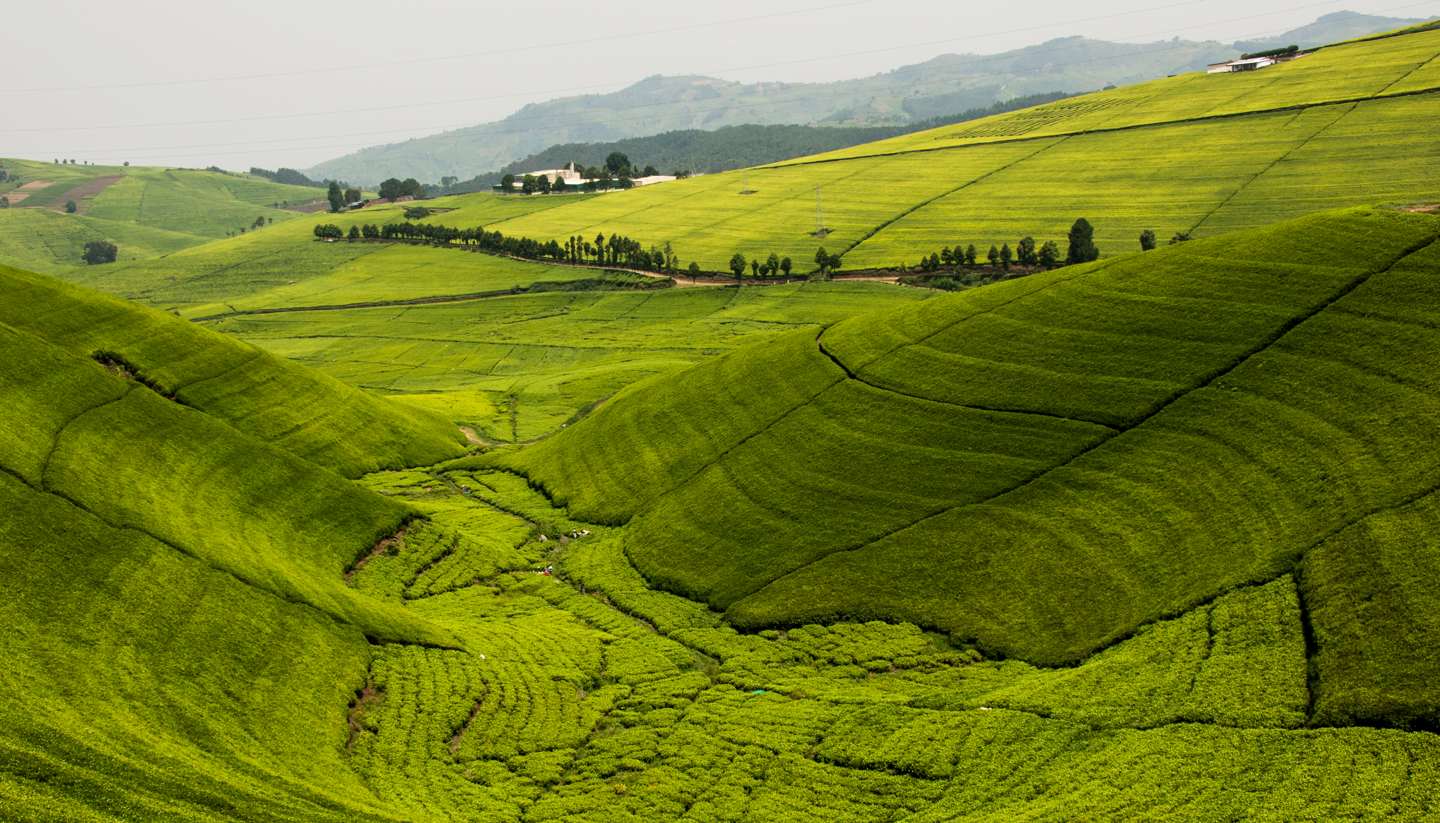
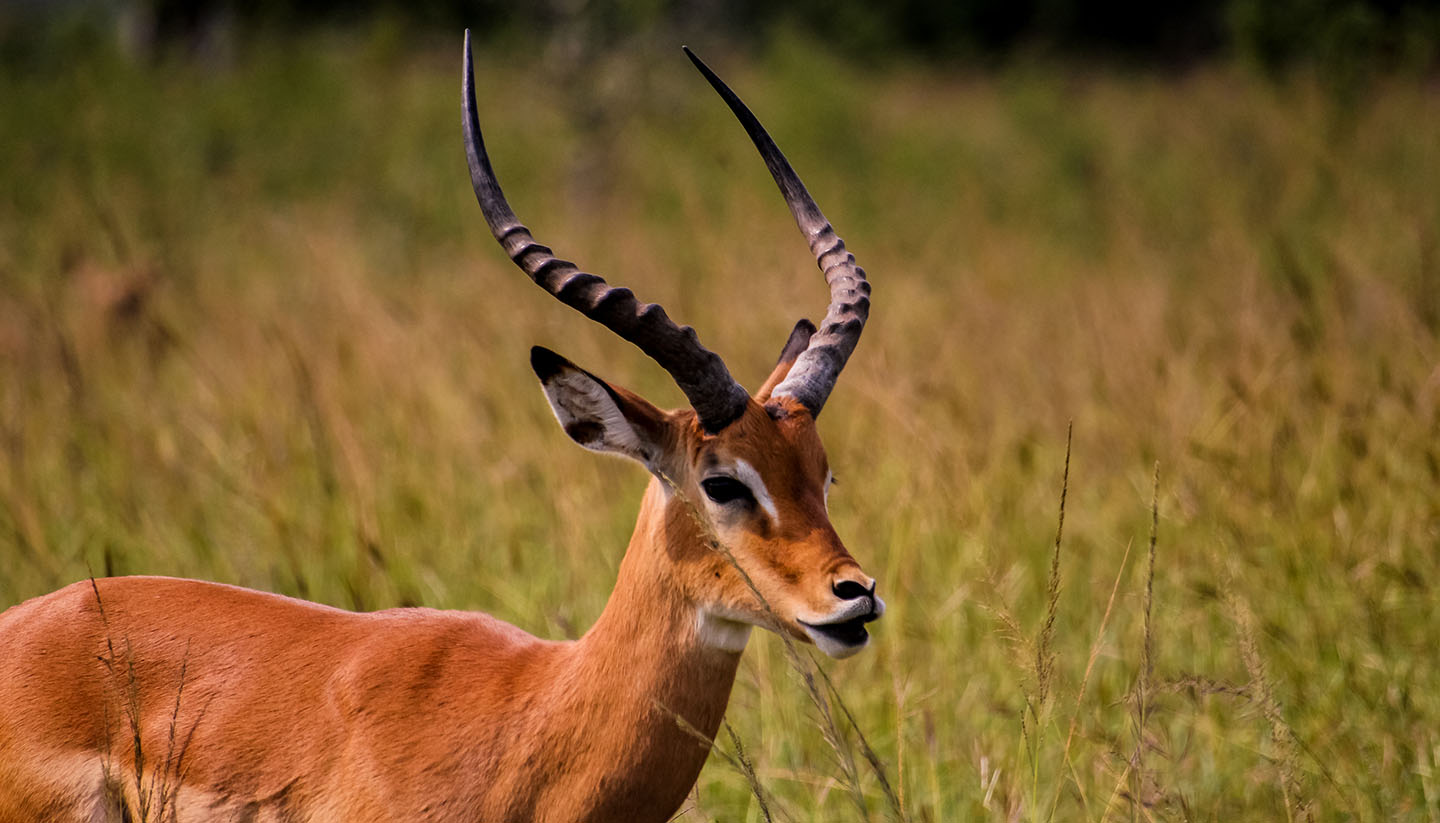
Dubbed 'The Land of a Thousand Hills', Rwanda's lush green landscape, and the diverse wildlife that inhabits it, is indeed the country's star attraction. This small, landlocked nation in East Africa has been pulling in an increasing number of in-the-know international tourists over the last decade.
But back in 1994, few would have thought that the country could bounce back from the horrifying Rwanda genocide, where an estimated 800,000 Rwandans were tragically slaughtered by Hutu extremists (an ethnic group indigenous to the region). It was one of the darkest days in modern African history.
But rebound it has. Today, Rwanda is known for its progressive policies just as much as its regretful history. The country is a role model in gender equality (Rwanda's government has had the highest percentage of female members throughout the 21st century) and conservation (notably enforcing a country-wide ban on plastic bags in 2008).
Similarly, the country is a pioneer in ecotourism, with the creation of cycle lanes, wetland regions and sustainable wildlife tours, the standout of which is to see a troop of mountain gorillas in the thick forests of Volcanoes National Park on the country's northern border. In fact, Volcanoes National Park was where Dian Fossey, the world's leading authority on mountain gorillas, spent many years studying the endangered species. In 1983, she published the highly acclaimed Gorillas in the Mist, which was later made into a film.
It's not all about gorillas, though. Nyungwe National Park, in the south of the country, is one of the largest remaining rainforests in Africa and is home to 13 species of primates, including chimpanzees and colobus monkeys, while Akagera National Park, in eastern Rwanda, offers up opportunities to spot rhinos, lions and hippos. And although Rwanda is landlocked, Lake Kivu covers a large portion of its western border with the Democratic Republic of the Congo, offering sandy beaches and warm waters for visitors to soak up the coastal vibe.
It's also worth spending a few days in the capital, Kigali. Established in 1907, Kigali has grown exponentially after becoming Rwanda's capital in 1962. The city is colourful and vibrant, with lively markets and bustling restaurants abound. It is also clean and safe. To many visitors, Kigali offers cosmopolitan fun that complements Rwanda's rural attractions.
Indeed, the past of Rwanda may be bleak, but the future certainly looks bright for Rwanda.
Key facts
26,338 sq km (10,169 sq miles).
12.3 million (2018)
499 per sq km (2018)
Kigali
Republic.
President Paul Kagame since 2000.
Prime Minister Dr. Justin Nsengiyumva since 2025.
Travel Advice
Your travel insurance could be invalidated if you travel against advice from the Foreign, Commonwealth & Development Office (FCDO).
Areas where FCDO advises against all but essential travel
Rusizi District
FCDO advises against all but essential travel to the parts of Rusizi District which are within 10km of the border with the Democratic Republic of Congo (DRC), including the Rwandan islands in Lake Kivu and Kamembe Airport.
Rwanda-DRC border
Risks associated with the proximity of potential fighting in Democratic Republic of Congo (DRC) may affect people on the Rwandan side of the border. International borders are often not well marked in remote areas, and you could unknowingly cross into DRC. You may see a presence of military personnel on both sides of the border.
See Democratic Republic of the Congo’s travel advice for more information. Keep up to date with developments through local media.
The border crossings between Rwanda and DRC could close at short notice.
Before you travel
No travel can be guaranteed safe. Read all the advice in this guide. You may also find it helpful to:
- see general advice for women travellers
- read our guide on disability and travel abroad
- see general advice for LGBT+ travellers
- read about safety for solo and independent travel
- see advice on volunteering and adventure travel abroad
Travel insurance
If you choose to travel, research your destinations and get appropriate travel insurance. Insurance should cover your itinerary, planned activities and expenses in an emergency.
About FCDO travel advice
The Foreign, Commonwealth & Development Office (FCDO) provides advice about risks of travel to help you make informed decisions. Find out more about FCDO travel advice.
Get travel advice updates
Sign up to get email notifications when this travel advice is updated.
Follow FCDO:
This information is for people travelling on a full ‘British citizen’ passport from the UK. It is based on the UK government’s understanding of Rwanda’s current rules for the most common types of travel.
The authorities in Rwanda set and enforce entry rules. If you’re not sure how these requirements apply to you, contact the Rwandan High Commission in the UK.
Passport validity requirements
To enter Rwanda, your passport must have an ‘expiry date’ at least 6 months after the date you arrive and at least one blank page for entry stamps.
Check with your travel provider that your passport and other travel documents meet requirements. Renew your passport if you need to.
You will be denied entry if you do not have a valid travel document or try to use a passport that has been reported lost or stolen.
Dual nationals
When returning to the UK, British citizens must carry a valid British passport or certificate of entitlement. See Dual citizenship.
Visa requirements
You must have a visa to enter Rwanda as a visitor. As a citizen of a Commonwealth country, you can get a free 30-day visa on arrival.
Rwanda’s immigration department has information on visa requirements.
Applying for a visa
You can also apply for a visa from the Rwandan High Commission in London.
You must get a UK Police Certificate before you travel if you’re applying for a resident, business or missionary multiple-entry visa. It usually takes at least 10 working days to process.
Travel between Rwanda and the Democratic Republic of the Congo
Land border crossing opening hours between Rwanda and the Democratic Republic of the Congo (DRC) at Gisenyi-Goma and Cyangugu-Bukavu vary. The conflict in DRC could further affect border crossings (see Democratic Republic of the Congo’s travel advice). The FCDO currently advises against all but essential travel to parts of the Rusizi District.
You may experience immigration difficulties if you do not have residency status and regularly cross between the two countries.
Border measures
In response to the current Ebola outbreak in DRC, the Government of Rwanda has introduced health-screening measures at Kigali International Airport and border restrictions with DRC. These measures may be subject to short notice change. Check the latest advice of local authorities and tour operators ahead of travel.
Customs rules
There are strict rules about goods you can take into or out of Rwanda. You must declare anything that may be prohibited or subject to tax or duty.
You must declare drones when you arrive. They may be confiscated or held until you leave the country.
Vaccine requirements
To enter Rwanda, if you’re coming from a country listed as a transmission risk, you must have a certificate to prove you’ve had a yellow fever vaccination.
For full details about medical entry requirements and recommended vaccinations, see TravelHealthPro’s Rwanda guide.
This guide also has safety advice for regions of Rwanda.
Terrorism
There is a high threat of terrorist attack globally affecting UK interests and British nationals, including from groups and individuals who view the UK and British nationals as targets. Stay aware of your surroundings at all times.
UK Counter Terrorism Policing has information and advice on staying safe abroad and what to do in the event of a terrorist attack. Find out how to reduce your risk from terrorism while abroad.
Terrorism in Rwanda
Terrorist attacks in Rwanda cannot be ruled out.
Attacks could be indiscriminate including in places visited by foreigners. Stay aware of your surroundings, keep up to date with local media reports and follow the advice of local authorities.
Crime
Protecting yourself and your belongings
Crime levels are relatively low in Rwanda, but there are cases of burglary, theft, bag-snatching and mugging (violent theft) in Kigali.
To reduce your personal risk:
- take care when walking at night
- arrange transport in advance
- lock car doors when driving
- do not leave valuables in parked cars
- avoid carrying large amounts of money or other valuables
Personal safety in military zones
Some off-limits military zones in Kigali may not be well lit or signposted. You could be arrested and detained if you enter these areas. Take extra care when walking around less populated zones, particularly at night.
Methanol poisoning
There has been an increase in cases of serious illness caused by alcoholic drinks containing methanol in popular travel destinations around the world.
Even small amounts of methanol can kill. It is not possible to identify methanol in alcoholic drinks by taste or smell. See Travel Aware Drink Spiking and Methanol Poisoning for information about how to reduce the risks.
Seek urgent medical attention if you or someone you are travelling with show the signs of methanol poisoning after drinking.
Laws and cultural differences
Illegal drugs
Illegal drugs, including cannabis, carry severe penalties.
You should expect a long jail sentence and heavy fines for possessing, using or smuggling illegal drugs, including when transiting through the airport.
Airports in Rwanda have excellent technology and security for detecting illegal items. This is also used to scan the baggage of transiting passengers.
Using cameras in secure areas
It is illegal to photograph some government buildings. If you use a drone to take photographs of a prohibited area without a permit, you risk being imprisoned or receiving a severe fine.
LGBT+ travellers
Consensual same-sex sexual acts are not illegal in Rwanda, but can be frowned upon by locals.
Rwanda’s laws do not discriminate against sexual orientation, and its constitution prohibits all forms of discrimination. Read more advice for LGBT+ travellers.
Plastic bag ban
There is a ban on plastic bags in Rwanda for environmental reasons. If you have plastic bags when you arrive in the country, they will be confiscated.
Vaporisers, e-cigarette bans
Vapes and e-cigarettes are banned in Rwanda. It is illegal to bring them into the country, including for personal use. If you are found in possession of vapes or e-cigarettes you will have them confiscated and could be fined.
Genocide Memorial Day
The week following Genocide Memorial Day on 7 April is an official week of mourning.
National day of community service (Umuganda)
The last Saturday of each month is Umuganda, a national day of community service. Most normal services close from 7am to 11am. Kigali also has a car-free morning from 7am to 10am on the first and third Sunday of the month to promote exercise and reduce car emissions. Other cities in the country may also hold car-free mornings. You should check with the local authorities as these might happen at different times.
Outdoor activities and adventure tourism
Gorilla and Chimpanzee trekking
If you plan to travel close to the Democratic Republic of the Congo border on a gorilla or chimpanzee trek, check travel advice for Rusizi District and the DRC border region. If you plan on crossing the border into DRC, check the travel advice for DRC. Short-notice border closures could impact any travel plans in the region. Plan your journey in advance and discuss your itinerary with your tour operator. Keep up to date with developments through your tour operator and check the local media.
Transport risks
Road travel
If you are planning to drive in Rwanda, see information on driving abroad.
You’ll need to have both the 1949 version of the international driving permit (IDP) and your UK driving licence with you in the car. You cannot buy an IDP outside the UK, so get one before you travel.
After one year of driving, you must have a Rwandan licence. You should:
- write a letter of application to the Commissioner Traffic and Road Safety
- attach your existing licence
- attach a copy of your visa or foreign resident ID card
- pay a fee
Driving standards
Roads from Kigali to all major towns are in good condition but can be damaged by landslides during the rainy season. After dark, many roads outside of larger urban centres are unlit and driving standards are poor.
Shared taxis (mini vans) and motorbike taxis are the most common form of public transport, but are very vulnerable to accidents.
Building health and safety
Levels of building health and safety in Rwanda are lower than in the UK. Buildings and construction sites have collapsed, causing deaths and serious injuries.
Fire safety standards vary and fires in residential and public places are a continuing risk. Poor wiring and sub-standard electrical cables have caused building fires. Take extra care when using electronic equipment.
Extreme weather and natural disasters
Find out what you can do to prepare for and respond to extreme weather and natural hazards.
Flooding
The rainy season runs from February to May and from September to December. April is the height of the rainy season. Heavy storms can cause disruption and damage, including landslides and floods. Monitor local media reports and follow the advice of local authorities.
Earthquakes
There is a risk of earthquakes in Rwanda. The US Federal Emergency Management Agency has advice about what to do before, during and after an earthquake. The US Geological Survey has a real-time earthquake map that captures information following significant seismic activity. If there is an earthquake, monitor local media reports and follow the advice of the authorities.
You should also read FCDO’s overall travel advice and safety and security advice.
Rwanda-DRC border
See advice for the Rwanda-DRC border on the Warnings and insurance page.
Rwanda-Burundi border
Burundi closed the border to Rwanda in January 2024. There might be some tension near the border, as both sides have accused the other of cross-border raids targeting local inhabitants.
Rwanda-Uganda border
Border crossings Uganda have temporarily closed at short notice in recent years. Be aware of the impact that short-notice border closures could have on any travel plans in the region.
Cross-border additional risks
If you’re travelling near the DRC or Burundi borders, be aware of the risk of cross-border attacks and government security operations given the ongoing conflict in eastern DRC.
In recent years, armed incursions have occurred into south-west Rwanda:
- on 18 June 2023, 2 people were killed and 6 were injured when suspected militants opened fire on a public passenger bus on Nyamagabe-Rusizi road, in Nyungwe Forest, Nyamgabe District
- on 17 June 2023, a Congolese soldier crossed into Rwanda at Gisenyi and fired on civilians and Rwandan security personnel near the border, injuring 2 Rwandan police officers – the soldier was shot dead
- in 2022, artillery fire from the DRC hit Rwandan territory, close to the border in Kinigi sector of Musanze District in the north-west
Before you travel check that:
- your destination can provide the healthcare you may need
- you have appropriate travel insurance for local treatment or unexpected medical evacuation
This is particularly important if you have a health condition or are pregnant.
Emergency medical number
Call 112 and ask for an ambulance.
Contact your insurance company quickly if you’re referred to a medical facility for treatment.
Vaccine recommendations and health risks
At least 8 weeks before your trip:
- check the latest information on recommended vaccinations
- see where to get vaccines and whether you have to pay on the NHS travel vaccinations page
See what health risks you’ll face in Rwanda including mpox.
Altitude sickness is a risk in parts of Rwanda. Read more about altitude sickness on TravelHealthPro.
Ebola
On 15 May the Democratic Republic of Congo Ministry of Health announced an outbreak of Ebola Bundibugyo in the North-Eastern Ituri Province. Read more about the Ebola outbreak on TravelHealth Pro and see information on Ebola and similar diseases. World Health Organisation (WHO) have declared this a Public Health Emergency of International Concern.
Due to the outbreak, you may experience heightened health screening at international borders in the region. Check entry requirements for the country you’re travelling to or transiting.
Marburg virus disease (MVD)
On 20 December 2024, the Government of Rwanda announced the end of the outbreak of Marburg virus disease that began on 27 September 2024. The outbreak was linked to contact with fruit bats in a mine near Kigali.
The last confirmed case of Marburg virus disease was reported on 30 October 2024. There remains a risk of re-emergence of the disease linked to viral persistence in body fluids of recovered patients and the potential animal reservoir in the country, so if visiting or working in caves inhabited by fruit bat colonies, you should wear gloves and other appropriate protective clothing (including face masks).
Check the latest situation with local authorities before travelling. You can find more information on Marburg virus disease from the WHO, and TravelHealthPro.
Medication
The legal status and regulation of some medicines prescribed or bought in the UK can be different in other countries.
Read best practice when travelling with medicines on TravelHealthPro.
Healthcare in Rwanda
Only limited medical facilities are available in Rwanda. If you have a serious accident or illness, you may need to be evacuated by air ambulance to Kenya or South Africa.
FCDO has a list of medical providers in Rwanda where some staff speak English.
There is also guidance on healthcare if you’re living in Rwanda.
Travel and mental health
Read FCDO guidance on travel and mental health. There is also mental health guidance on TravelHealthPro.
The Foreign, Commonwealth & Development Office (FCDO) cannot provide tailored advice for individual trips. Read this travel advice and carry out your own research before deciding whether to travel.
Emergency services in Rwanda
Ambulance: 112
Police: 112
Fire: 111
Contact your travel provider and your insurer if you are involved in a serious incident or emergency abroad. They will tell you if they can help and what you need to do.
Refunds and changes to travel
For refunds or changes to travel, contact your travel provider. You may also be able to make a claim through insurance. However, insurers usually require you to talk to your travel provider first.
Find out more about changing or cancelling travel plans, including:
- where to get advice if you are in a dispute with a provider
- how to access previous versions of travel advice to support a claim
Support from FCDO
FCDO has guidance on staying safe and what to do if you need help or support abroad, including:
- finding English-speaking lawyers, funeral directors and translators and interpreters in Rwanda
- dealing with a death in Rwanda
- being arrested or imprisoned in Rwanda
- getting help if you’re a victim of crime
- what to do if you’re in hospital
- if you’re affected by a crisis, such as a terrorist attack
Contacting FCDO
Help abroad
See how to get help from the UK government abroad including in an emergency.
Help in the UK
You can call FCDO in London if you need urgent help because something has happened to a friend or relative abroad.
Telephone: 020 7008 5000 (24 hours)
Get travel advice updates
Sign up to get email notifications when this travel advice is updated.
Follow FCDO:
Risk information for British companies
The Overseas Business Risk service offers information and advice for British companies operating in Rwanda on how to manage political, economic, and business security-related risks.