
Senegal History, Language and Culture
History of Senegal
Archaeological evidence shows that the area now known as Senegal has been inhabited for thousands of years. Between the 8th and 16th centuries, much of the region formed part of powerful West African empires, including Ghana, Mali and Songhai, while local kingdoms such as Jolof also flourished through trade and agriculture.
From the 15th century, Portuguese, Dutch, English and French traders established coastal trading posts. Gorée Island became one of the best-known centres associated with the transatlantic slave trade, although recent research suggests its symbolic importance exceeded the actual number of enslaved people who passed through the island.
France gradually expanded its influence during the 19th century, making Senegal the administrative centre of French West Africa. Dakar developed into an important port and colonial capital, while railways and other infrastructure strengthened French control over the region.
Senegal became independent from France on 4 April 1960 after the short-lived Mali Federation dissolved. Under its first president, Léopold Sédar Senghor, the country established a reputation for political stability and peaceful transfers of power, distinguishing it from many neighbouring states.
Today, Senegal is regarded as one of West Africa's more stable democracies. Alongside its political development, the country has become internationally recognised for its rich musical heritage, vibrant arts scene and growing role as a regional economic and diplomatic centre.
Did you know?
• Gorée Island is one of Africa's best-known symbols of the transatlantic slave trade and is a UNESCO World Heritage Site.
• Dakar hosted the finish of the famous Paris-Dakar Rally from 1979 until 2007, giving the event its enduring name.
• Léopold Sédar Senghor, Senegal's first president, was also an internationally acclaimed poet and one of the founders of the Négritude literary movement.
Senegal Culture
Religion in Senegal
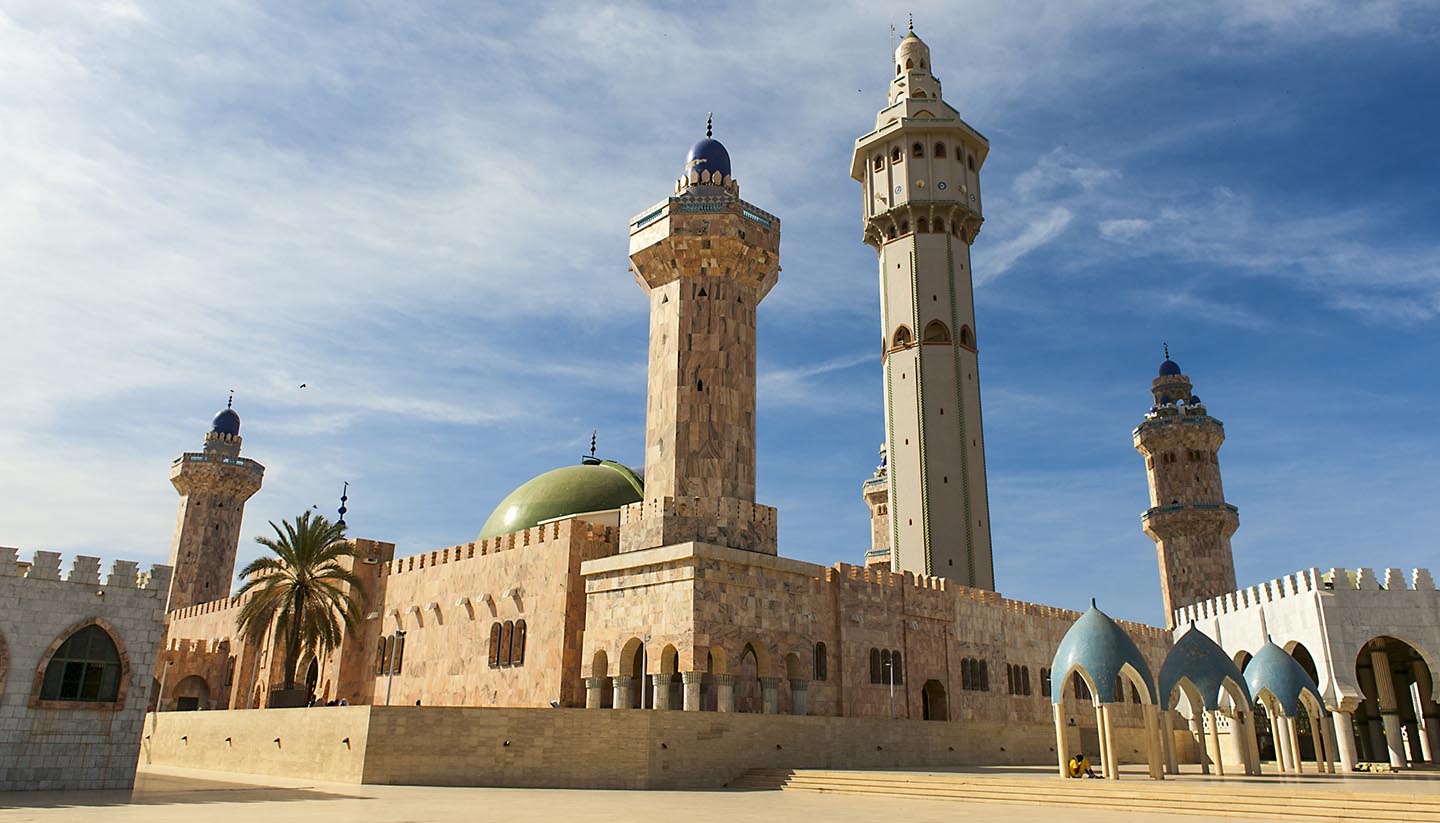
Islam is the dominant religion in Senegal and is practised by around 95% of the population. Most Senegalese Muslims are Sunni and affiliated with influential Sufi brotherhoods, including the Tijaniyya, Mouride, Qadiriyya, and Layene orders.
Christianity accounts for around 4% of the population, with Roman Catholics forming the largest Christian community, alongside smaller Protestant denominations.
Traditional African beliefs continue to be practised, often alongside Islam or Christianity, particularly in rural areas. Senegal is widely recognised for its tradition of religious tolerance, and people of different faiths generally coexist peacefully.
Social Conventions in Senegal
Courtesy and respect are highly valued in Senegalese society. Greetings are an important part of daily life, and it is considered polite to exchange pleasantries before beginning a conversation or discussing business. Handshakes are the customary greeting.
As Senegal is a predominantly Muslim country, modest dress is appreciated, particularly when visiting religious sites and in rural areas. Swimwear should be confined to beaches and hotel swimming pools, and visitors should remove their shoes before entering mosques where permitted.
Visitors should ask permission before photographing people, especially in rural communities, and before taking photographs of religious sites or government buildings. Respect for elders is an important aspect of Senegalese culture, and using polite forms of address is appreciated.
Same-sex sexual activity is illegal in Senegal, and public attitudes towards homosexuality are generally conservative. Public displays of affection are uncommon, and visitors should remain mindful of local customs and sensitivities.
Tipping is appreciated in the tourism sector. Small tips are commonly given to hotel staff, guides, drivers and porters for good service.
Language in Senegal
French is the official language of Senegal and is used in government, education, business and the media. While it is widely spoken in urban areas, many Senegalese speak an indigenous African language as their first language and use French as a second language.
Senegal is linguistically diverse, with Wolof serving as the most widely spoken language and the country's principal lingua franca. Other major languages include Pulaar (Fula), Serer, Jola, Mandinka and Soninke, each predominating in different regions and communities.
English is spoken in some hotels, tourist facilities and businesses catering to international visitors, particularly in Dakar and the main tourist areas. However, outside the tourism sector, knowledge of English may be limited.