
Senegal Shopping and nightlife
Shopping in Senegal
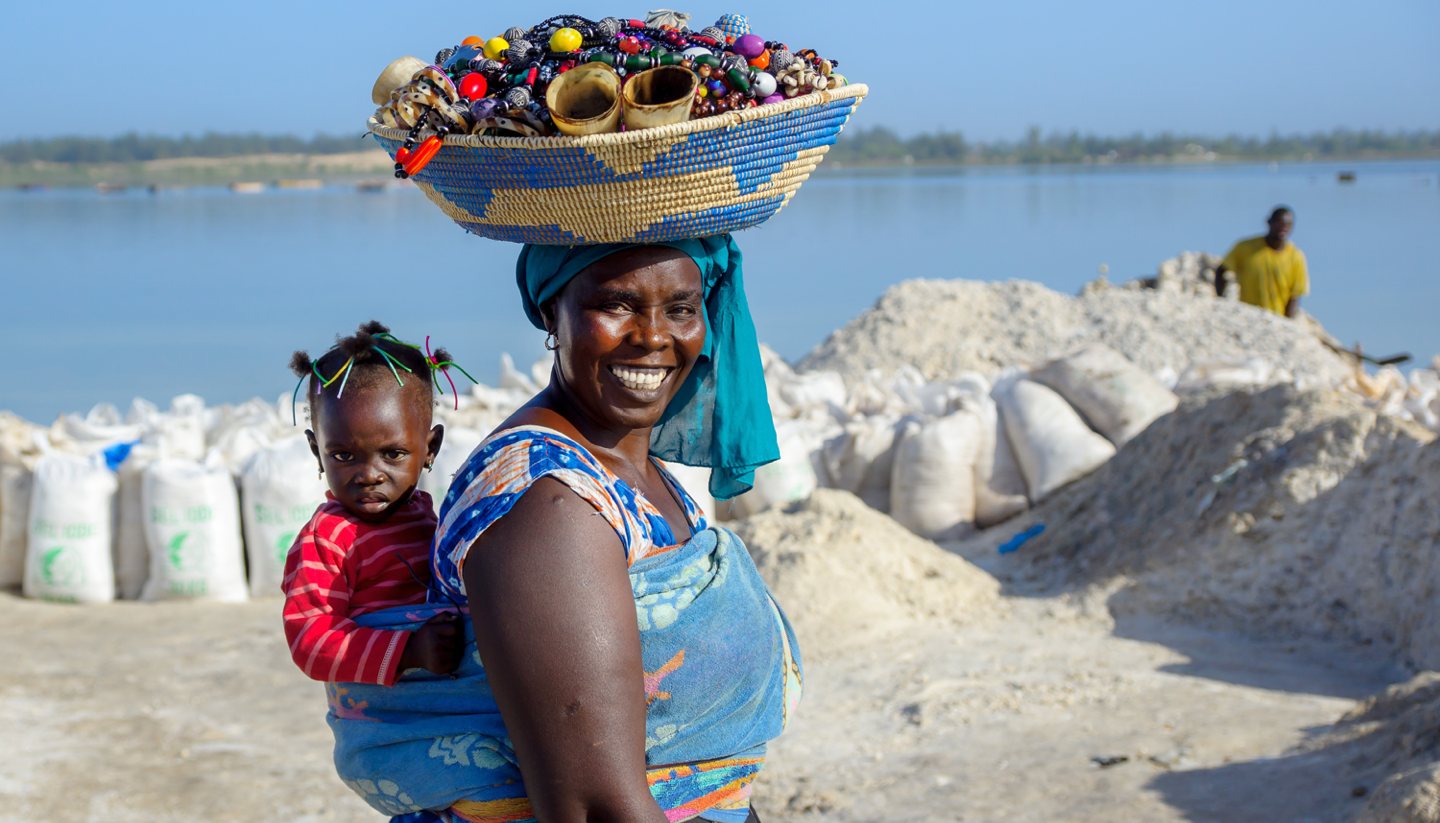
Senegal offers a wide range of locally made handicrafts, textiles and artworks, with Dakar providing the greatest choice. Popular purchases include colourful wax-print fabrics, handwoven textiles, leather goods, baskets, pottery, jewellery, wooden carvings and paintings. Tailors can also make clothing to order from locally purchased fabric.
Markets are central to the shopping experience, with bargaining generally expected outside fixed-price shops. Dakar's markets and craft villages are good places to browse for souvenirs, while Saint-Louis and tourist areas such as Saly also have shops and stalls selling local handicrafts. Visitors purchasing antiques, cultural artefacts or products made from wildlife should check export restrictions and avoid items derived from protected species.
Shopping hours
Shops generally open Monday to Saturday from around 0800 or 0900 to 1800 or 1900, although some businesses close for a midday break. Larger supermarkets and shopping centres in Dakar may remain open later and on Sundays. Market hours vary, with many busiest during the morning and late afternoon.
Nightlife in Senegal
Dakar has Senegal's liveliest nightlife, with bars, nightclubs and live-music venues concentrated around Almadies, Ngor and other central and coastal districts. Live music is a particular highlight, especially mbalax, Senegal's distinctive popular music that blends traditional sabar drumming with contemporary African and international influences. Jazz, Afrobeat and other West African styles are also widely performed, and evenings often continue until the early hours.
Nightlife outside the capital is more relaxed. Saly and other resorts along La Petite Côte have beach bars, restaurants and clubs catering to visitors, while Saint-Louis has a smaller selection of bars and live-music venues, particularly during festivals. In Casamance, nightlife is centred mainly on hotels, resorts and informal bars around Ziguinchor and Cap Skirring.