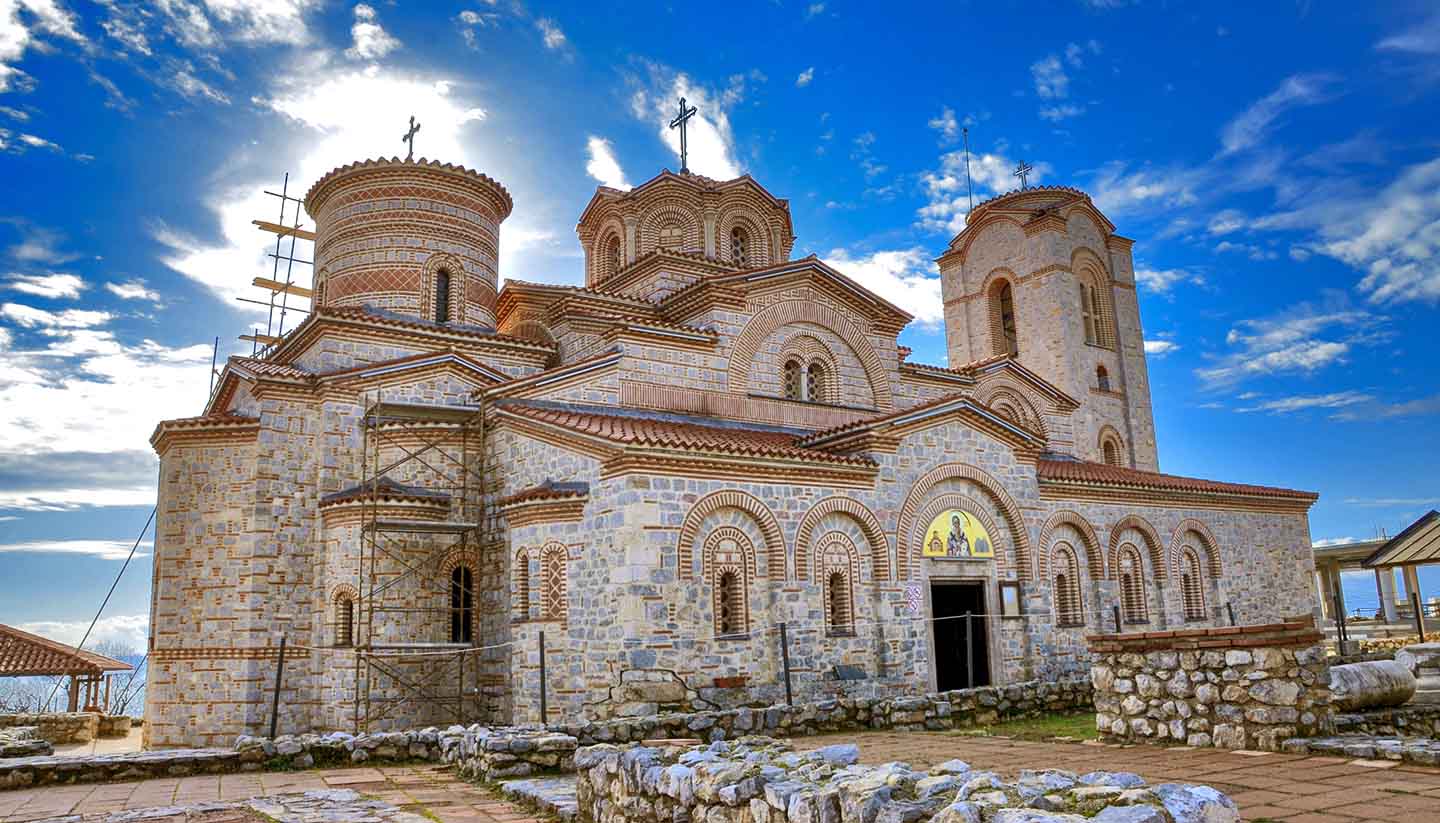

North Macedonia (FYR Macedonia) Health Care and Vaccinations
| Title | Special precautions |
|---|---|
| Yellow Fever | No |
| Typhoid | No |
| Tetanus | Sometimes |
| Rabies | No |
| Malaria | No |
| Hepatitis A | Sometimes |
| Diphtheria | Sometimes |
Health Care
Healthcare standards in North Macedonia are generally adequate in major cities, particularly in Skopje, where the country's largest hospitals and private clinics are located. Medical facilities can be more limited in smaller towns and rural areas.
Private healthcare facilities often provide a higher standard of service and shorter waiting times than public hospitals. Many doctors in larger cities speak at least some English, particularly in private clinics.
Travellers are strongly advised to have comprehensive travel insurance covering medical treatment, hospital stays and medical evacuation if necessary. Private hospitals and clinics may require payment upfront before treatment is provided.
Pharmacies are widely available in cities and towns throughout the country, and many common medications can be purchased without a prescription. However, travellers requiring specific prescription medicines should bring an adequate supply along with a copy of their prescription.
Emergency medical services are available nationwide, though response times may be slower in remote mountainous areas.
Food and Drink
Tap water in North Macedonia is generally safe to drink in major cities and towns, including Skopje and Ohrid. The country has a good supply of natural spring and mountain water, and locals commonly drink tap water.
In some rural or remote areas, however, water quality can be less consistent, particularly after heavy rainfall or during infrastructure repairs. Visitors with sensitive stomachs may prefer bottled or filtered water outside major urban areas.
Food hygiene standards are generally good in restaurants, cafés and hotels catering to tourists. Fresh salads, grilled meats, breads and dairy products are widely consumed throughout the country.
As with travel anywhere, visitors should exercise normal precautions when eating from roadside stalls or smaller establishments with uncertain hygiene standards. During summer, food left unrefrigerated for long periods can pose a risk in hot weather.
Other Risks
North Macedonia is generally considered a safe destination for travellers, with violent crime against visitors relatively uncommon. However, petty theft and pickpocketing can occur in busy tourist areas, markets, bus stations and on public transport, particularly in Skopje and around major tourist sites.
Travellers should exercise caution when driving, especially on rural and mountain roads where road conditions, weather and driving standards can vary. Winter snow and ice can make some routes hazardous.
Outdoor activities such as hiking and skiing are popular, but visitors exploring mountainous areas should check weather conditions carefully and use appropriate equipment. Mobile phone coverage may be limited in remote regions.
North Macedonia is located in a seismically active region, and minor earthquakes occasionally occur. Although serious earthquakes are uncommon, travellers should familiarise themselves with basic safety procedures.
Stray dogs can be seen in some towns and cities. While most are harmless, visitors should avoid approaching or feeding unfamiliar animals.