
Zambia Health Care and Vaccinations
| Title | Special precautions |
|---|---|
| Yellow Fever* | Yes |
| Typhoid | Yes |
| Tetanus | Sometimes |
| Rabies | Sometimes |
| Malaria | Sometimes** |
| Hepatitis A | Yes |
| Diphtheria | Yes |
* A yellow fever vaccination certificate is required from travellers coming from areas with risk of yellow fever transmission.
** Malaria is present in much of Zambia, particularly in low-lying areas and national parks. There is no malaria vaccination requirement, but travellers may be advised to take antimalarial medication and should take precautions to avoid mosquito bites.
Health Care
Healthcare standards in Zambia vary significantly between urban centres and rural areas. Major cities such as Lusaka and Ndola have private hospitals and clinics that offer a reasonable standard of care for routine treatment and minor emergencies, while facilities in rural areas are often basic and limited. Serious medical conditions may require evacuation to South Africa or another neighbouring country.
Pharmacies are widely available in cities and towns and are often the first point of contact for minor illnesses. Many basic medications can be purchased without a prescription, but availability may be inconsistent, and specific brands may differ from those at home. Travellers who rely on prescription medicines should bring an adequate supply with them, along with a copy of their prescription.
Payment is usually required upfront at private healthcare facilities, and costs can be high for non-residents. Comprehensive travel insurance is strongly recommended and should include cover for medical treatment and emergency evacuation. Visitors are advised to carry insurance details and emergency contact information at all times.
Food and Drink
Tap water in Zambia is not considered safe for visitors to drink. Even in major cities and hotels, travellers are advised to use bottled, boiled or filtered water for drinking and brushing teeth. Bottled water is widely available and inexpensive throughout the country.
Food hygiene standards are generally good in established hotels, restaurants and safari lodges. Visitors should take care when eating food from informal stalls or markets and avoid food that has been left unrefrigerated for long periods. Dairy products are commonly consumed, but travellers should ensure that milk, yoghurt and cheese are pasteurised, particularly outside higher-end accommodation. Fresh fruit that can be peeled and food that is thoroughly cooked are usually safe choices.
Other Risks
The main risks to visitors in Zambia relate to road safety, wildlife and access to services rather than violent crime. Road accidents are a concern, particularly outside urban areas, where road conditions, livestock and limited lighting can pose hazards. Night driving is generally discouraged, especially in rural regions.
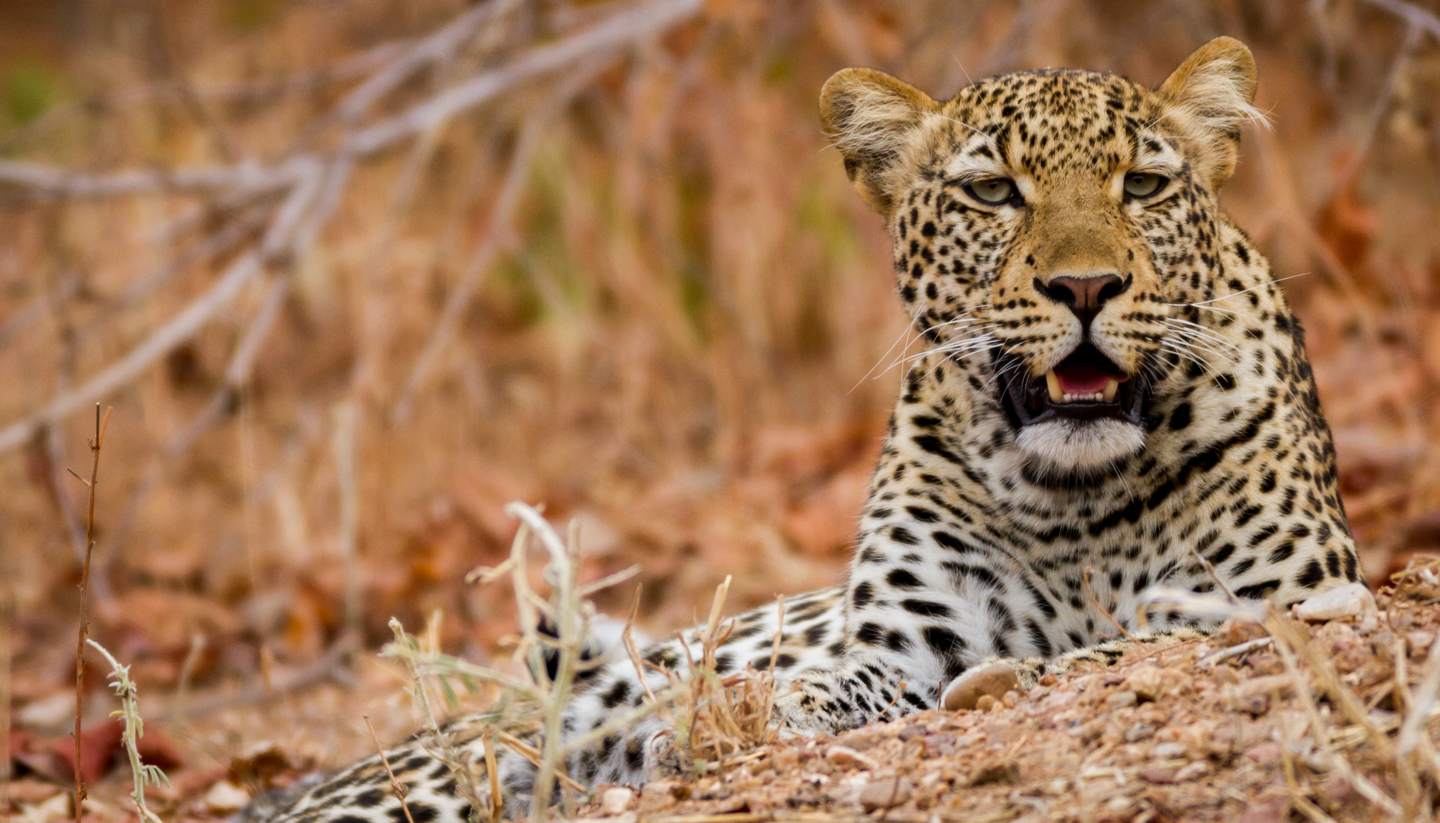
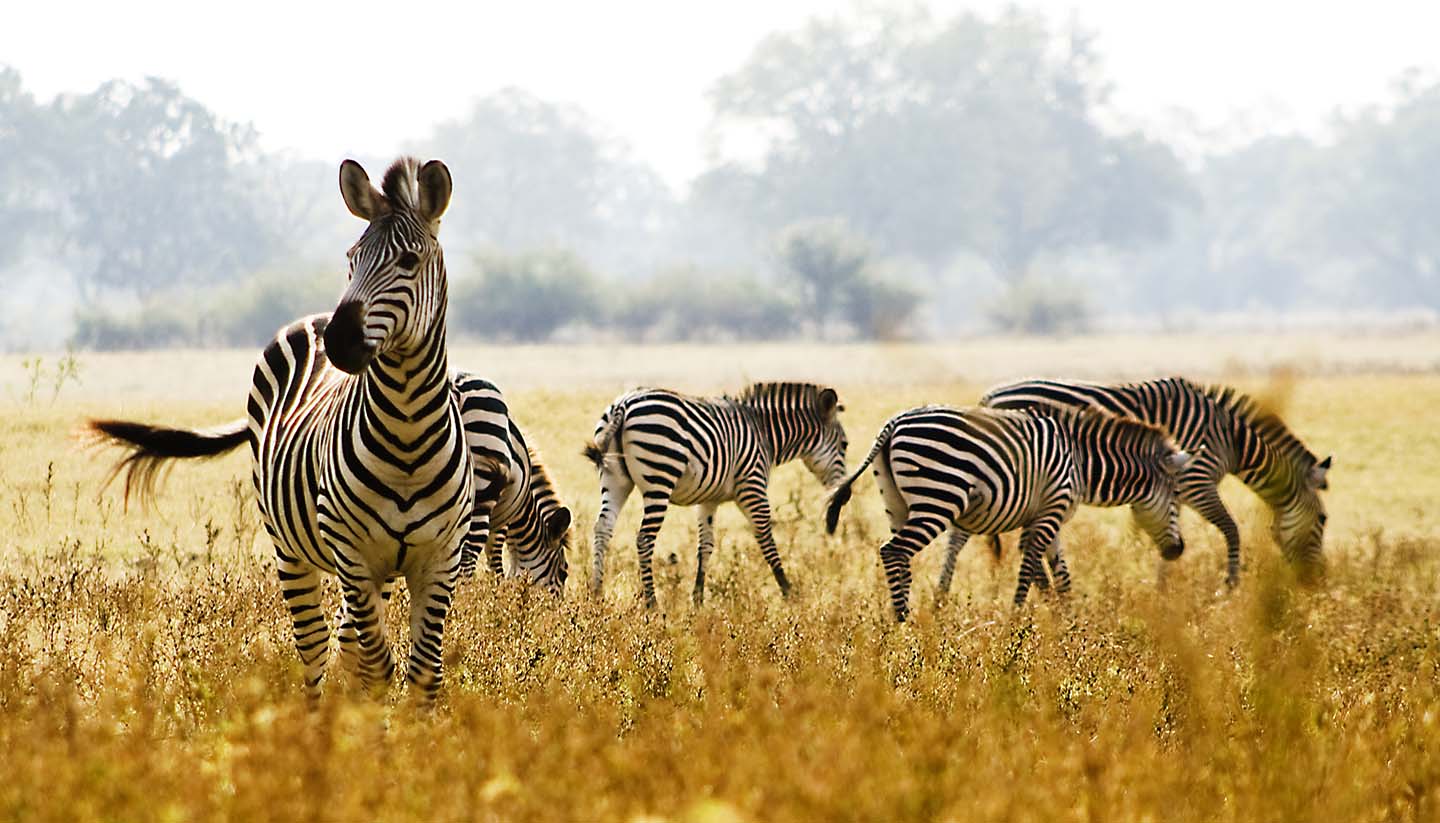
Wildlife encounters can be dangerous if proper precautions are not followed. Visitors should always observe park regulations, follow the instructions of professional guides and avoid approaching animals on foot or by vehicle. This is particularly important in national parks and safari areas, where animals move freely.
Petty crime such as pickpocketing and theft can occur in cities, especially in crowded areas and transport hubs. Visitors are advised to remain aware of their surroundings, keep valuables secure and use reputable transport options. In remote areas, access to emergency services may be limited, so travellers should plan carefully and carry sufficient supplies when travelling long distances.