
Japan travel guide
About Japan
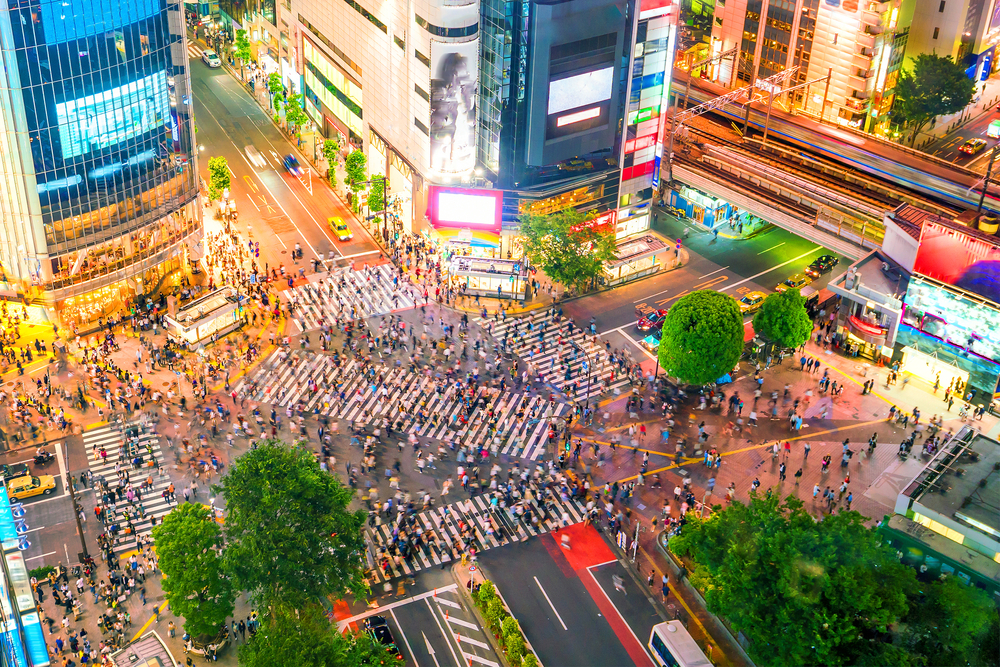
From kimono-clad geishas singing traditional songs in Kyoto to manga-crazed teenagers whizzing around Akihabara 'Electric Town' in Tokyo, Japan is a fascinating land of contrasts, a heady mix of tradition and modernity that often bewilders but never bores.
Nowhere in the world blends the old and new quite like Japan. The speed of new technological developments here is matched only by the longevity of its ancient customs and traditions. The country is a pioneer in the fields of design, technology and fashion. You can set your watch by the trains, eat meals that look like works of contemporary art and relieve yourself in the most technologically advanced toilets on the planet (some even talk to you).
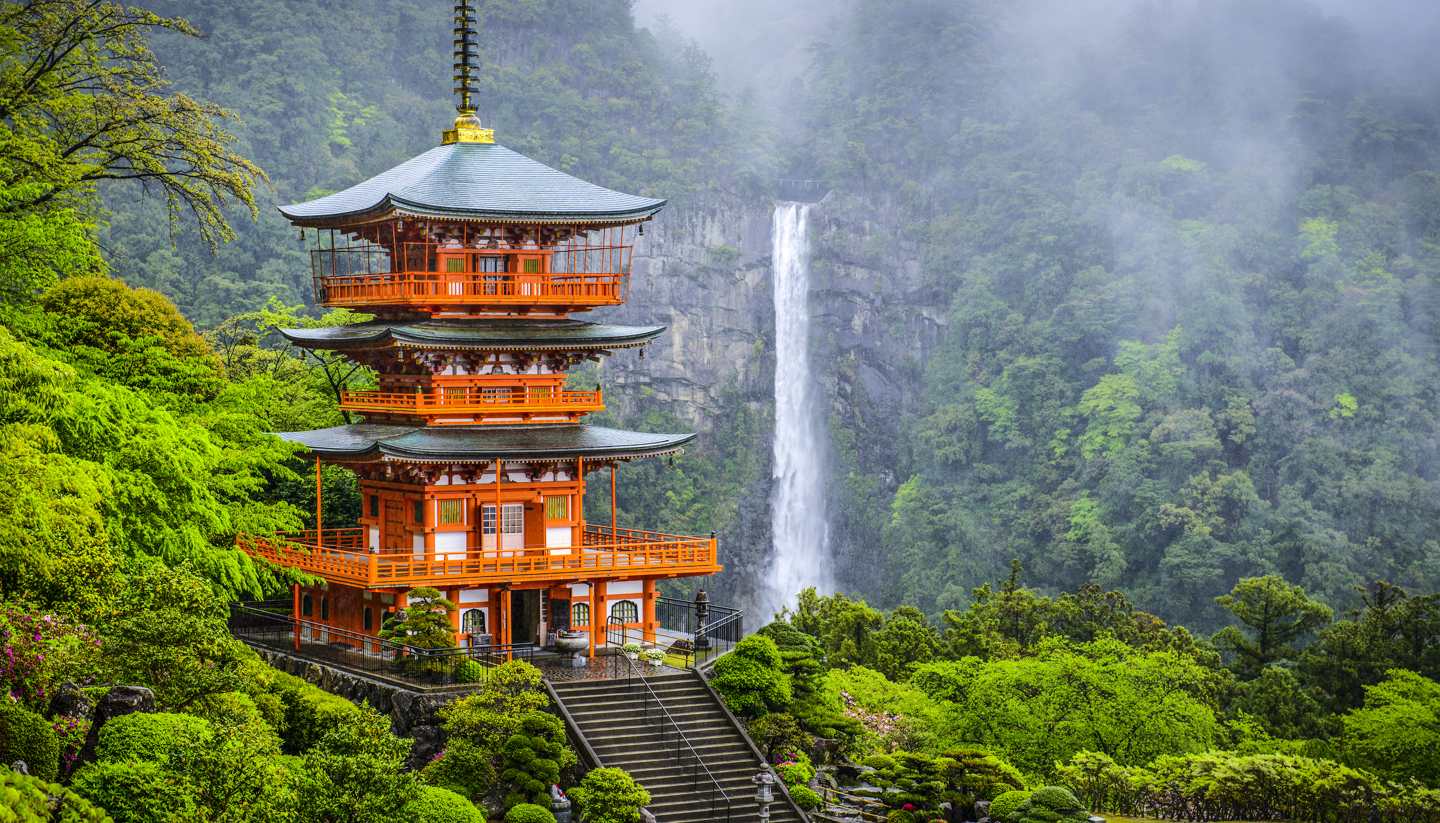
Paradoxically, Japan's embrace of the cutting edge is offset by its revered cultural traditions and celebrated historic achievements. Ancient castle ruins, atmospheric Shinto shrines and fascinating festivals are never far away, with cultural highlights including the striking Osaka Castle and Kyoto's iconic Temple of the Golden Pavilion. There's also evidence of Japan's dramatic recent history in cities like Hiroshima and Nagasaki, where nuclear bombs were dropped with devastating consequences during WWII.
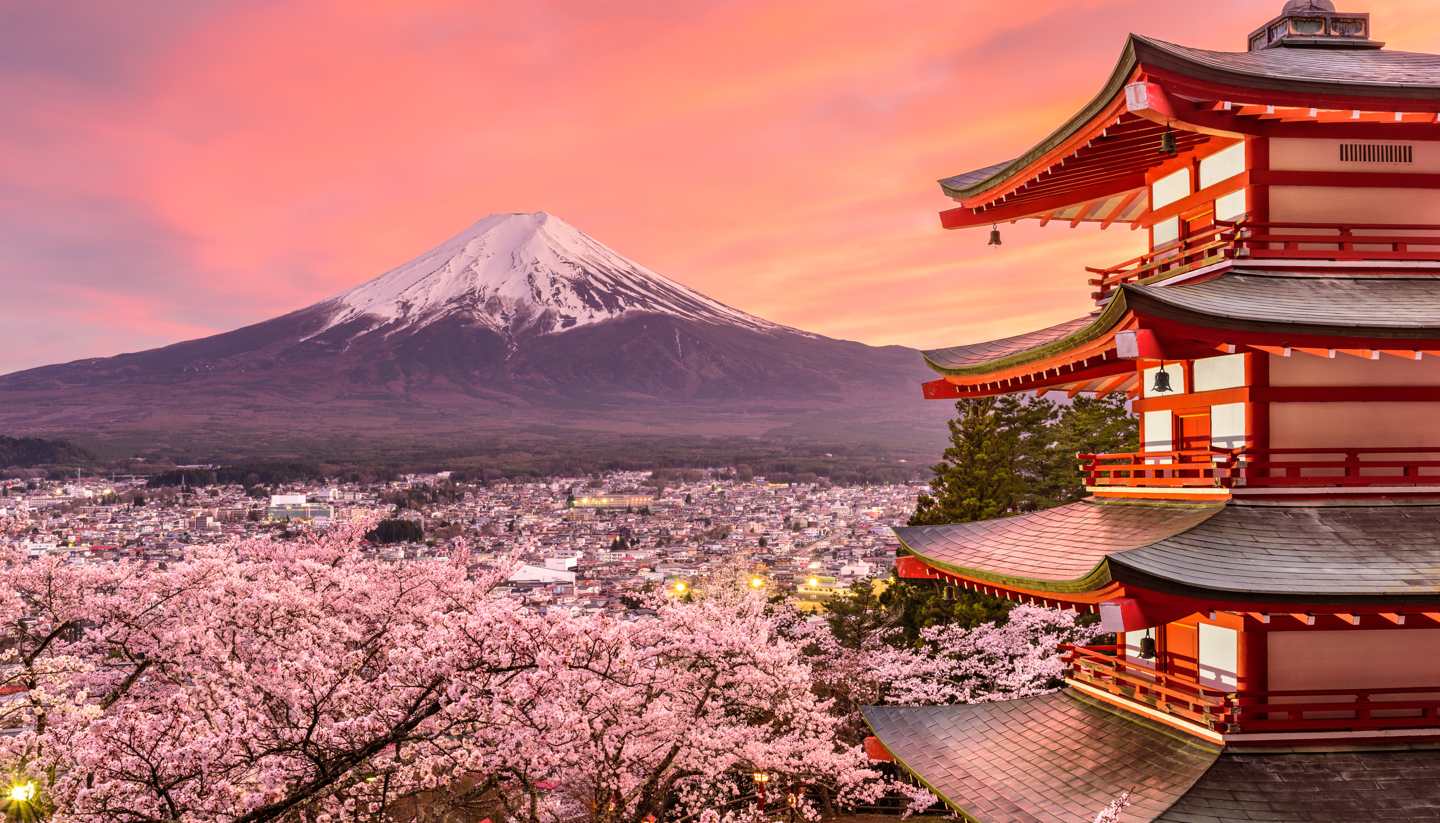
If you love nature, you will adore Japan. This is a country swathed in natural beauty. Ski the powdery slopes of Hokkaido, revel in the springtime beauty of the 'sakura' cherry blossoms, frolic in the sun-drenched beaches and turquoise waters of subtropical Okinawa, or climb up the iconic Mount Fuji. Wherever you go, good food is guaranteed – from fresh sushi and sashimi to charcoal-fired meats and sizzling sauces; Japan is a joy for gastronomes.
It is also a land of wild eccentricities, where you can watch men strip at the festival of Hadaka Matsuri or get amorous in one of the country's many short-stay love hotels. These facets might jar somewhat with Japan's polished image, but they help make it one of the most exciting destinations on the planet.
Key facts
377,915 sq km (145,913 sq miles).
126,476,461 (UN estimate 2020).
334.62 per sq km (129.2 sq miles).
Tokyo.
Constitutional monarchy.
Emperor Naruhito since 2019.
Prime Minister Sanae Takaichi since 2025.
Travel Advice
Global travel impacts due to escalation in the Middle East
Escalation in the Middle East has caused widespread travel disruption, including airspace closures, delayed and cancelled flights.
Your travel plans may be affected, even if your destination is not in the Middle East. Before you travel:
- check travel advice for any countries or territories you are transiting through
- check for the latest updates from your airline or tour operator
- review your travel insurance policy for coverage
- monitor local and international media for the latest information and sign up for travel advice email alerts
Before you travel
No travel can be guaranteed safe. Read all the advice in this guide. You may also find it helpful to:
- see general advice for women travellers
- read our guide on disability and travel abroad
- see general advice for LGBT+ travellers
- read about safety for solo and independent travel
- see advice on volunteering and adventure travel abroad
Travel insurance
If you choose to travel, research your destinations and get appropriate travel insurance. Insurance should cover your itinerary, planned activities and expenses in an emergency.
About FCDO travel advice
The Foreign, Commonwealth & Development Office (FCDO) provides advice about risks of travel to help you make informed decisions. Find out more about FCDO travel advice.
Get travel advice updates
Sign up to get email notifications when this travel advice is updated.
Follow FCDO:
This information is for people travelling on a full ‘British citizen’ passport from the UK. It is based on the UK government’s understanding of the current rules for the most common types of travel.
The authorities in Japan set and enforce entry rules. If you’re not sure how these requirements apply to you, contact the Japanese Embassy in the UK.
Passport validity requirements
If you’re visiting Japan, your passport must be valid for the length of your stay. No additional period of validity is required. You need a blank page for your visa stamp.
Check with your travel provider that your passport and other travel documents meet requirements. Renew your passport if you need to.
You will be denied entry if you do not have a valid travel document or try to use a passport that has been reported lost or stolen.
Dual nationals
When returning to the UK, British citizens must carry a valid British passport or certificate of entitlement. See Dual citizenship.
Visa requirements
You can get a visa on arrival in Japan for tourism or business for up to 90 days. You do not need to apply before you travel.
If you need a multiple-entry visa, you must ask the immigration officials when you arrive.
If you want to stay longer, you can apply at your nearest immigration office for an extension for another 90 days. Your passport must be valid for the period of the extension.
For long-term stays or to work or study, you must meet the Japanese government’s entry requirements. Check which type of visa you need. It is illegal to work in Japan without the correct visa no matter how informal or temporary the work.
If you overstay your permission to remain in Japan, you risk arrest, detention and a heavy fine.
For residency information, see the Japanese Immigration Services Agency website and read about living in Japan.
Vaccine requirements
For details about medical entry requirements and recommended vaccinations, see TravelHealthPro’s Japan guide.
Customs rules
There are strict rules about goods you can take into or out of Japan. You must declare anything that may be prohibited or subject to tax or duty.
Taking food into Japan
It is illegal to bring meat products including sausages, bacon and ham to Japan without permission from the Japanese Animal Quarantine Service. Penalties include a heavy fine and prison sentence.
Whale meat is available in Japan but importing it into the UK and EU is illegal. If you import whale meat to the UK, you can get a fine of up to £5,000 and a prison sentence. Customs officers will seize the meat.
Taking money into Japan
Japan is still a predominantly cash-based society. You may have difficulty using credit and debit cards issued outside Japan. Cirrus, Maestro, Link and Delta cash cards are not widely accepted. Japanese post offices, 7-Eleven stores and JP Post Bank have cash machines that will accept some foreign cards during business hours.
This guide also has safety advice for regions of Japan.
Terrorism
There is a high threat of terrorist attack globally affecting UK interests and British nationals, including from groups and individuals who view the UK and British nationals as targets. Stay aware of your surroundings at all times.
UK Counter Terrorism Policing has information and advice on staying safe abroad and what to do in the event of a terrorist attack. Find out how to reduce your risk from terrorism while abroad.
Terrorism in Japan
Although there’s no recent history of terrorism in Japan, attacks cannot be ruled out.
Political situation
Civil disturbance and violent demonstrations are rare in Japan. Occasionally, there are pro-nationalist demonstrations that express hostility towards foreign countries. If you become aware of protests, leave the area immediately.
Japan and the Korean Peninsula
The level of tension and security situation in the Korean Peninsula can change with little notice. Tensions can rise after missile tests by North Korea and during the regular South Korea-US military exercises, which take place throughout the year.
North Korea frequently launches missiles towards Japan as part of missile testing, and is likely to continue doing so.
You should follow the advice of local authorities and check NHK World for the latest information. See advice on missile alerts from the Japanese government.
See also travel advice for South Korea.
Crime
Take the same precautions you would at home and get local advice on areas where you might need to be more alert.
Tokyo’s entertainment districts carry a higher risk of crime, particularly at night in and around clubs and bars. Foreign nationals have been targeted for extortion, robbery, assault and sexual assault.
Protecting your belongings
Be aware of your surroundings and keep your belongings in sight when travelling. Place valuables in a secure place such as a hotel safe when you can.
Rape and sexual assault
Rape and sexual assault are rare but can happen. Japanese law puts a high burden of proof on victims to demonstrate sexual relations were not consensual and committed through assault, intimidation or force.
Female passengers travelling on commuter trains have experienced inappropriate behaviour. This includes touching and upskirting – taking photos or videos from below when women walk or stand nearby. Police advise you should shout at the perpetrator to attract attention and ask a fellow passenger to call train or station staff.
Drink spiking and credit card fraud
There are increased reports of drink spiking and credit card fraud. Victims have described waking up with no memory of what happened and discovering large amounts of money billed to their credit card. The amount of money taken ranges from hundreds to tens of thousands of pounds. Risks are higher in all entertainment and nightlife districts across Japan. In particular, the Japanese police have identified the following areas in Tokyo as high-risk zones:
- Kabukicho
- Roppongi
- Shibuya
- Ikebukuro
Most British victims have reported being targeted in Kabukicho, a popular tourist destination in Shinjuku. Victims claim to be approached in English by street touts known as “kyakuhiki”. Do not follow street touts into bars.
You can reduce the risk and impact of spiking by:
- not accepting drinks from strangers
- not leaving drinks unattended or asking a trusted friend to keep an eye on your unfinished drink
- not following street touts into bars
- securing your finances against fraudulent transactions
- only carrying what you need and securing spare cash, cards, and valuables at your accommodation
For more information on drink spiking, and how to reduce the risk, please visit our travel aware website here.
Illegal drugs
Japan has strict laws around drug use. If the police find an illegal substance in your bloodstream, you may be charged, regardless of whether you consented or were aware of taking the drugs. If you refuse to take a test if asked to by the police, you could be arrested and detained for ‘obstructing police duties’.
If you take blood tests at medical institutions, they are usually obliged to report to the police if they detect any illegal substances.
Disputes over bar bills
British nationals have been arrested at clubs and bars following disputes with staff and doorpersons over excessive bar bills. These disputes are often seen in the high risk areas outlined above. Ensure you see a menu with prices before you enter a bar or restaurant. Keep track of what you order and confirm the price of admission to clubs on entry.
Prostitution and street touts
Prostitution and street touts are illegal but commonplace, especially in the high risk areas outlined above. Do not accompany street touts to bars or clubs. Street touts often encourage people to enter an establishment by misrepresenting the services on offer. You may incur an entry charge so do not enter on the promise of a free drink or to have a look, as you may not be free to leave.
Laws and cultural differences
Legal system in Japan
Japanese and UK law are very different. In Japan, you can be arrested and detained without charge for up to 23 days, even for minor offences such as theft or trespassing.
Personal ID
You must always carry your passport or Japanese residence card with you. The police can arrest you if you cannot show proof of your visa or residence status.
Alcohol bans
In general, drinking alcohol in public places is not illegal. However, there are bans on drinking alcohol in specific areas on certain days, for example New Year’s Eve.
Smoking in public places
Smoking is illegal on the streets of Tokyo and some other cities. Smoke only in designated areas.
Illegal drugs and prison sentences
There is zero tolerance of drug crime and the penalties are severe. British nationals have been arrested and detained for receiving small quantities through the post or if they test positive when the police raid clubs or bars. British nationals convicted of drug trafficking have received sentences ranging from 6 to 17 years and fines of 3 to 4 million yen. Prisoners in Japan are assigned labour or factory work as part of their sentences.
LGBT+ travellers
Same-sex sexual activity is not illegal, but Japanese law does not protect against discrimination on the grounds of sexual orientation. Same-sex marriages are not recognised, but some local authorities issue certificates of recognition that can be used for civil issues, such as hospital visitation rights.
Shinjuku Nichome in Tokyo and Doyamacho in Osaka are well-known LGBT+ areas.
Read more advice for LGBT+ travellers.
Medication bans
It is illegal to possess or use some common prescription and over-the-counter medicines under Japan’s strictly enforced law on anti-stimulant drugs. Ignorance of the law does not count as a defence. See Health.
Custody disputes
Japanese family law is different from UK law. Parents may choose joint custody of a child after divorce, or they may choose for one parent to hold sole custody. Access to a child of the non-custodial parent can be difficult. Legal custody disputes can be lengthy and expensive, and rulings to return or secure access to a child may take time to be enforced. See child abduction, custody and parental rights in Japan.
Public behaviour
Most Japanese people are welcoming and friendly, but can be reserved. Loud, boisterous behaviour may receive negative attention. Showing affection in public is less common than in the UK.
Tattoos
Tattoos have a historical association with organised crime in Japan. While acceptance is increasing, some public facilities do not admit people with tattoos – for example, public swimming pools, hot springs, beaches and some gyms. Other establishments request you cover tattoos while using the facilities.
Outdoor activities and adventure tourism
Wildlife
Bear sightings and attacks have increased in parts of Japan, especially in mountainous and forested areas, including near populated zones.
Follow local advice and alerts, and take precautions if travelling in these areas.
You should
- research the region to learn about the local wildlife
- avoid walking alone in areas where bears have been sighted
- take all rubbish with you, including food waste
- report any sightings to local authorities
Transport risks
Road travel
If you’re planning to drive in Japan, see information on driving abroad and check the rules of the road in the Japan Automobile Federation driving guide.
You’ll need the 1949 version of the international driving permit (IDP) plus your UK driving licence and insurance documents with you in the car. You could be arrested and fined for driving without the correct documents.
You cannot buy an IDP outside the UK, so get one before you travel. You can use an IDP for one year, regardless of its expiry date. See information on driving and the IDP from the Tokyo police.
If you plan to stay longer than one year, see how to apply for a Japanese driving licence.
Hire car companies often have stricter requirements for their customers, such as a year of driving experience and a minimum age.
There are 2 types of driving insurance available in Japan: compulsory insurance (‘jibaisekihoken’) and voluntary insurance (‘nin’i no jidoshahoken’). The compulsory insurance on its own may be insufficient in cases of personal liability.
Drink-driving is a serious offence in Japan, and the legal limit of alcohol in your system is about a third of the UK limit. If you are found to be over the limit, you may get a fine and possible imprisonment. There are also penalties for allowing someone to drink and drive. The passenger could face arrest if the police suspect they were aware of the driver’s alcohol consumption.
Driving standards
Roads are well maintained, and driving is on the left. Watch out for:
- pedestrians crossing roads at green lights, especially at junctions
- cyclists riding on the wrong side of the road and without lights at night
- other drivers braking suddenly
Extreme weather and natural disasters
Find out what you can do to prepare for and respond to natural disasters in Japan.
Tropical cyclones
In Japan the tropical cyclone (typhoon) season is between June and December, peaking between July and September. The highest risk is in southern parts of the country. Monitor any approaching storms using Japan Meteorological Agency forecasts. Follow the advice of the local authorities and emergency services, including any evacuation orders.
Tropical cyclones in Japan often come with damaging high tides, increasing the risk of landslides and flooding. The dangers increase when an earthquake occurs shortly after a tropical cyclone has saturated an area.
See weather safety tips from the Japan National Tourism Agency.
Earthquakes and tsunamis
Japan is in a major earthquake zone. The Japan Meteorological Agency provides a list of helpful apps and websites in the event of disaster . See further earthquake safety tips from the Japan National Tourism Agency.
Monitor earthquake information, including tsunami and aftershock warnings, from the Japan Meteorological Agency. See further news on earthquakes at NHK World.
Take note of instructions in hotel rooms and at train stations and follow the advice of local authorities.
Volcanic eruptions
There are several active volcanoes in Japan. Monitor local media reports and follow the advice of local authorities. Check for volcano warnings from the Japanese Meteorological Agency. See volcano safety tips from the Japan National Tourism Agency.
This section has safety advice for regions of Japan. It only covers regions where FCDO has specific advice.
You should also read FCDO’s overall travel advice and safety and security advice.
Fukushima
There is a restricted area around the Fukushima Daiichi nuclear power plant where only authorised persons can enter. Areas where evacuation orders are ready to be lifted are still subject to some restrictions – for example, visitors are not allowed to stay overnight. Follow local guidance.
The Japanese authorities carry out comprehensive checks to monitor radiation in the area around Fukushima Daiichi and to monitor possible contamination of water and food and produce. They impose strict controls where necessary.
Although the decommissioning of the Fukushima Daiichi site and full clean-up of the surrounding area will take many years, the risks are gradually declining.
Noto Peninsula
A series of earthquakes hit the Noto Peninsula on 1 January, causing a minor tsunami and fires in various parts of Ishikawa Prefecture. Infrastructure damage was extensive, and some transport links remain disrupted. Take care in affected areas and follow local guidance.
Before you travel check that:
- your destination can provide the healthcare you may need
- you have appropriate travel insurance for local treatment or unexpected medical evacuation
This is particularly important if you have a health condition or are pregnant.
Emergency medical number
Dial 119 and ask for an ambulance.
Contact your insurance company quickly if you’re referred to a medical facility for treatment.
Vaccine recommendations and health risks
At least 8 weeks before your trip:
- check the latest vaccine recommendations for Japan
- see where to get vaccines and whether you have to pay on the NHS travel vaccinations page
See what health risks you’ll face in Japan including:
- dengue
- biting insects and ticks
- pertussis (‘whooping cough’)
Altitude sickness is a risk in parts of Japan. Read more about altitude sickness on TravelHealthPro.
Medication
The legal status and regulation of some medicines prescribed or bought in the UK can be different in other countries.
Read best practice when travelling with medicines on TravelHealthPro.
It is illegal to carry some common prescription and over-the-counter medicines under Japan’s strictly enforced law on anti-stimulant drugs. This includes:
- Vicks inhalers
- medicines for allergies and sinus problems
- cold and flu medication containing pseudoephedrine
- some over-the-counter painkillers containing codeine
Foreign nationals have been detained and deported for these offences. If you’re travelling with medication, check its status with the Japanese Embassy in the UK.
Healthcare in Japan
Medical facilities in Japan are of a high quality, but treatment is expensive. Expect to pay the whole cost of any treatment you receive.
Medical facilities may check your insurance, which could delay your treatment.
FCDO has a list of medical providers in Japan where some staff will speak English.
There is also guidance on healthcare if you’re living in Japan.
The Foreign, Commonwealth & Development Office (FCDO) cannot provide tailored advice for individual trips. Read this travel advice and carry out your own research before deciding whether to travel.
Emergency services in Japan
Ambulance: 119
Fire: 119
Police: 110
Contact your travel provider and insurer
Contact your travel provider and your insurer if you are involved in a serious incident or emergency abroad. They will tell you if they can help and what you need to do.
Refunds and changes to travel
For refunds or changes to travel, contact your travel provider. You may also be able to make a claim through insurance. However, insurers usually require you to talk to your travel provider first.
Find out more about changing or cancelling travel plans, including:
- where to get advice if you are in a dispute with a provider
- how to access previous versions of travel advice to support a claim
Support from FCDO
FCDO has guidance on staying safe and what to do if you need help or support abroad, including:
- finding English-speaking lawyers, funeral directors and translators and interpreters in Japan
- dealing with a death in Japan
- being arrested or imprisoned in Japan
- getting help if you’re a victim of crime
- what to do if you’re in hospital
- if you’re affected by a crisis, such as a terrorist attack
Contacting FCDO
Help abroad
See how to get help from the UK government abroad including in an emergency.
Help in the UK
You can call FCDO in London if you need urgent help because something has happened to a friend or relative abroad.
Telephone: 020 7008 5000 (24 hours)
Get travel advice updates
Sign up to get email notifications when this travel advice is updated.
Follow FCDO:
Risk information for British companies
The Overseas Business Risk service offers information and advice for British companies operating in Japan on how to manage political, economic, and business security-related risks.