
Egypt History, Language and Culture
History of Egypt
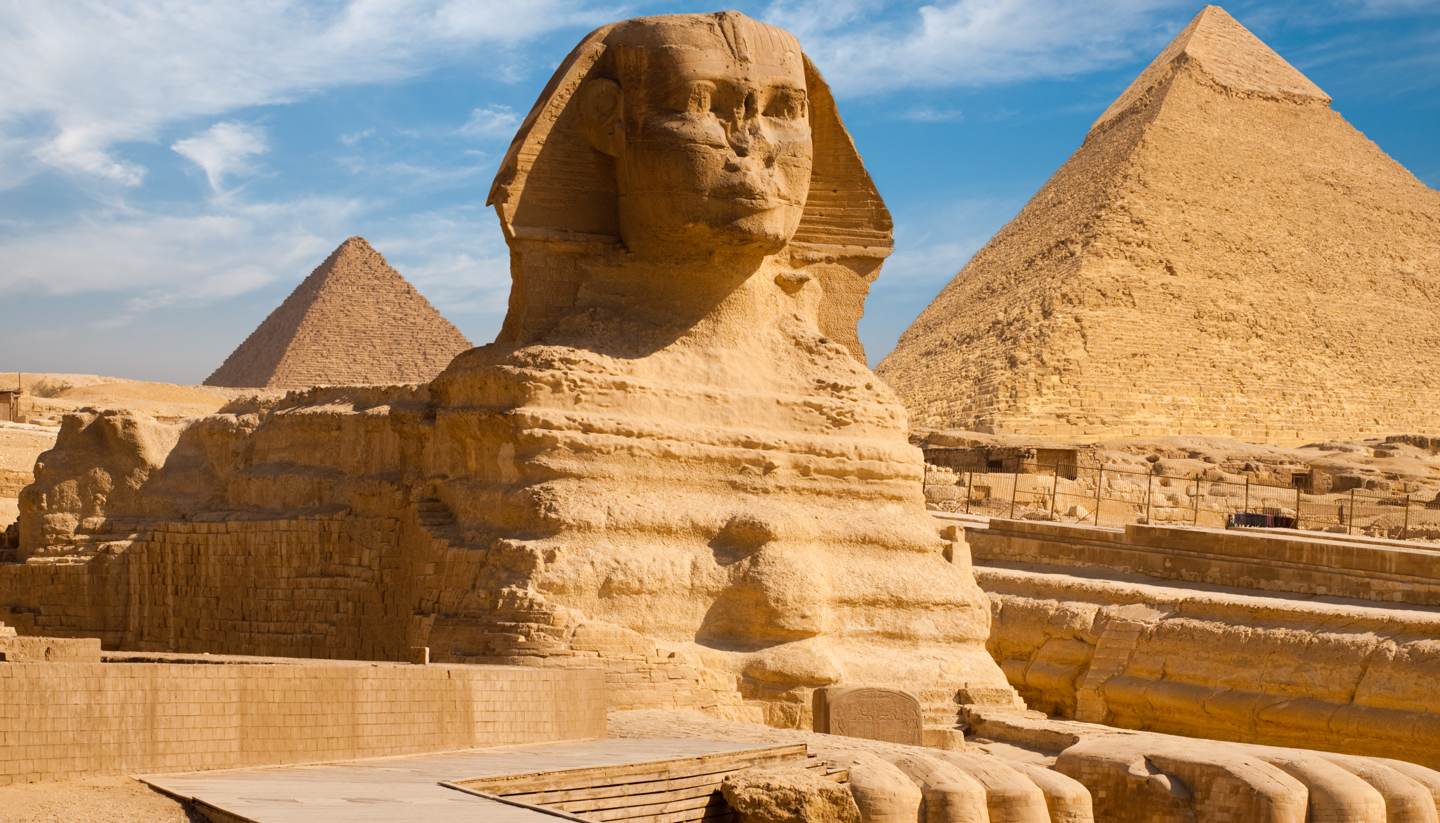
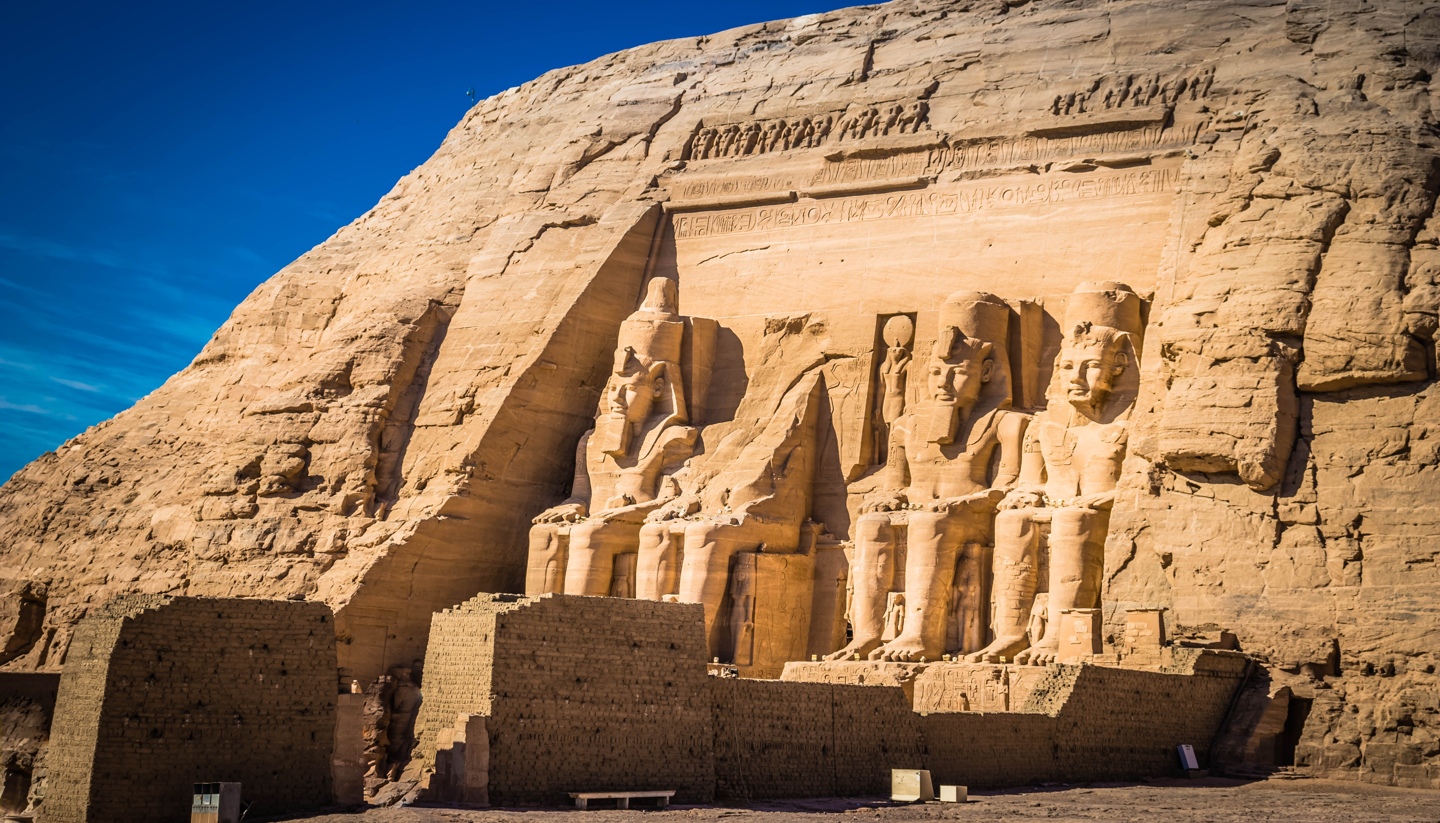
Egypt's history spans more than five millennia, making it one of the world's longest continuously inhabited civilisations. Ancient Egypt emerged along the Nile River around 3000 BCE, developing a highly organised society centred on divine kingship, monumental architecture and complex religious beliefs. The pyramids, temples and tombs that survive today are the most visible legacy of this period.
Following the decline of the pharaonic era, Egypt came under successive Greek, Roman and Byzantine rule before becoming a centre of Islamic civilisation after the Arab conquest in the 7th century. Cairo grew into a major political, religious and cultural hub, while Egypt remained a vital link between Africa, the Middle East and the Mediterranean world.
In the modern era, Egypt experienced Ottoman rule, European influence and British control before becoming a republic in 1952. Since then, it has played a central role in regional politics while balancing tradition and modernisation. For visitors, Egypt's appeal lies not only in its ancient monuments but in the continuity of daily life shaped by thousands of years of history.
Did you know?
• Ancient Egyptians developed one of the earliest known writing systems, using hieroglyphs more than 5,000 years ago.
• The Nile River was so central to survival that the ancient Egyptian calendar was based entirely on its annual flooding cycle.
• Egypt is home to more pyramids than any other country, with over 100 identified sites across the country.
Egypt Culture
Religion in Egypt
Islam is the dominant religion in Egypt, with the majority of the population following Sunni Islam. There is also a significant Christian minority, primarily Coptic Orthodox, along with small communities of other faiths.
Social Conventions in Egypt
Egypt is a predominantly Muslim country with strong social traditions rooted in family, hospitality and respect. Visitors are generally welcomed warmly, particularly when showing interest in local culture and customs. Greetings are important, and polite conversation often precedes practical matters. Public behaviour tends to be conservative, especially outside tourist areas.
Dress modestly, particularly in mosques, rural towns and traditional neighbourhoods. Shoulders and knees should be covered, and shoes removed when entering religious buildings. Public displays of affection are uncommon and best avoided. During the holy month of Ramadan, eating, drinking or smoking in public during daylight hours should be avoided out of respect, even though visitors are not expected to fast.
Photography is usually permitted, but visitors should always ask before photographing people, especially women, religious figures or security personnel. It is also polite to ask permission before entering shops or homes. Courtesy, patience and calm behaviour are highly valued, and raising one's voice or showing frustration in public is frowned upon.
Tipping in Egypt, commonly referred to as baksheesh, is an established part of daily life rather than a reward for exceptional service. Small tips are routinely expected for minor services such as carrying bags, guiding visitors around a site, cleaning facilities or assisting with directions. Amounts are usually modest, but frequent, and carrying small change is advisable.
In restaurants, a service charge is often included in the bill, particularly in tourist-oriented establishments and hotels. Even when this is the case, it is customary to leave a small additional tip if service has been satisfactory. In more informal local eateries, rounding up the bill is generally sufficient. Taxi drivers do not usually expect tips, but rounding up the fare is common.
For organised tours, guides and drivers typically expect tips at the end of the service, especially for multi-day trips or Nile cruises. While tipping can feel excessive at first, it is deeply ingrained in local custom and usually given with a smile rather than obligation. A polite refusal is acceptable if a service was not requested.
Language in Egypt
Arabic is the official language. English and French are widely spoken.