
Zimbabwe: Doing business and staying in touch
Doing Business in Zimbabwe
Business culture in Zimbabwe is generally formal and respectful, with an emphasis on politeness, hierarchy and personal relationships. Initial meetings often focus on introductions and rapport-building rather than immediate negotiation. Handshakes are the standard form of greeting, and it is customary to address people by their title and surname unless invited to do otherwise.
Punctuality is valued, particularly in formal business settings, though meetings may not always start exactly on time. Decision-making can be slow, as authority often rests with senior management. A patient and courteous approach is important, and public criticism or confrontational behaviour should be avoided.
Business dress is typically conservative, especially in government offices and corporate environments. Hospitality is commonly expressed through refreshments, and accepting such offers is considered polite. Maintaining a calm tone and showing respect for experience and seniority are key to successful professional interactions.
Office Hours
Mon to Fri, 08:00 to 16:30.
Economy
Zimbabwe has a mixed economy based largely on agriculture, mining and tourism. The country is rich in natural resources, including gold, platinum and diamonds, which play a central role in export earnings. Agriculture remains a major employer, with crops such as tobacco, maize and cotton contributing significantly to the economy.
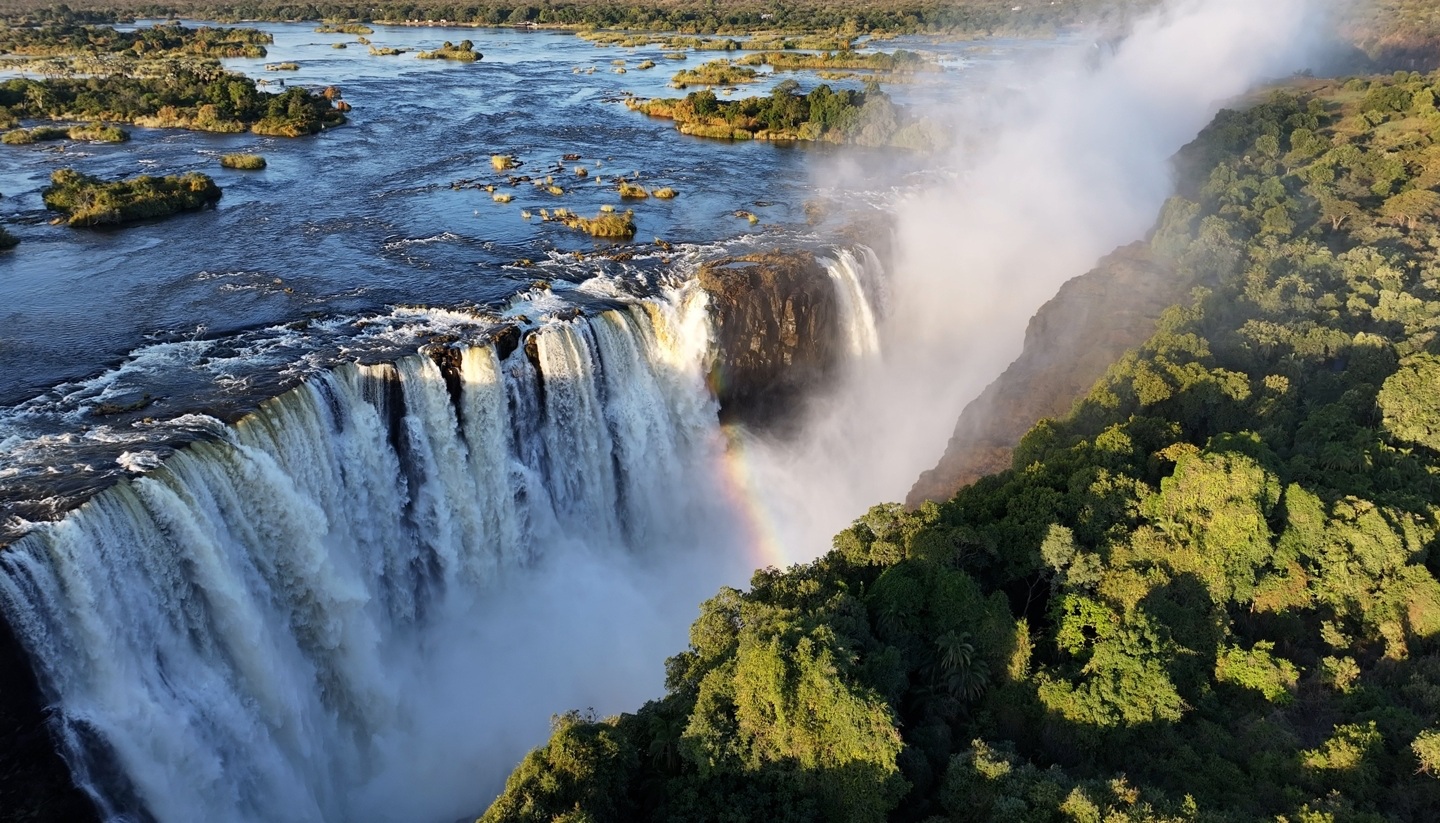
Tourism is an important source of income, driven by attractions such as Victoria Falls, national parks and wildlife reserves. In recent years, efforts have been made to stabilise the economy and encourage foreign investment, particularly in mining, infrastructure and energy.
Zimbabwe operates a multi-currency system in everyday transactions, reflecting past economic challenges. While this can take some adjustment for visitors, it also allows for easier payment in urban areas and tourist centres. Despite ongoing economic difficulties, local businesses continue to operate with resilience and adaptability.
GDP
US$44.19 billion (2024).
Main exports
Gold, platinum, diamonds, tobacco, nickel, and ferroalloys.
Main imports
Fuel, machinery, vehicles, chemicals, food products, and electricity.
Main trading partners
South Africa, China, the United Arab Emirates, Mozambique, and Zambia.
Keeping in Touch in Zimbabwe
Mobile Phone
Mobile phone coverage in Zimbabwe is generally good in cities, towns and along major roads. The main mobile networks provide reliable voice and data services in urban areas and tourist centres such as Harare, Victoria Falls and Bulawayo. Coverage can be weaker or unavailable in remote rural areas and national parks.
Prepaid SIM cards are widely available at airports, mobile phone shops and authorised retailers. Registration is required, and visitors must present a passport to purchase a SIM card. Data packages are affordable, but mobile data speeds can vary depending on location and network congestion. International roaming works in Zimbabwe but can be expensive, making a local SIM card the more practical option for most visitors.
Internet
Wi-Fi access is available in many hotels, lodges, cafés and restaurants, particularly in cities and tourist areas. Connection quality varies, and speeds may be slow or unreliable at times, especially during power outages or peak usage periods. Safari lodges often provide Wi-Fi in common areas rather than in individual rooms.
Public Wi-Fi is limited, and visitors should not rely on it for consistent internet access. Many travellers use mobile data as a backup, particularly when moving between destinations or staying outside major towns.
Media
Zimbabwe's media landscape includes state-owned and privately run outlets, with television, radio and newspapers operating mainly in English, Shona and Ndebele. State broadcasters dominate national television and radio, while independent newspapers and online platforms provide alternative news sources.
International news channels such as BBC World News, CNN and regional African networks are available via satellite television in many hotels and lodges. Internet access allows visitors to follow international media, though some local news coverage may reflect government perspectives. Visitors are advised to avoid public discussion of sensitive political topics and to exercise discretion when using social media.