
Brazil History, Language and Culture
History of Brazil
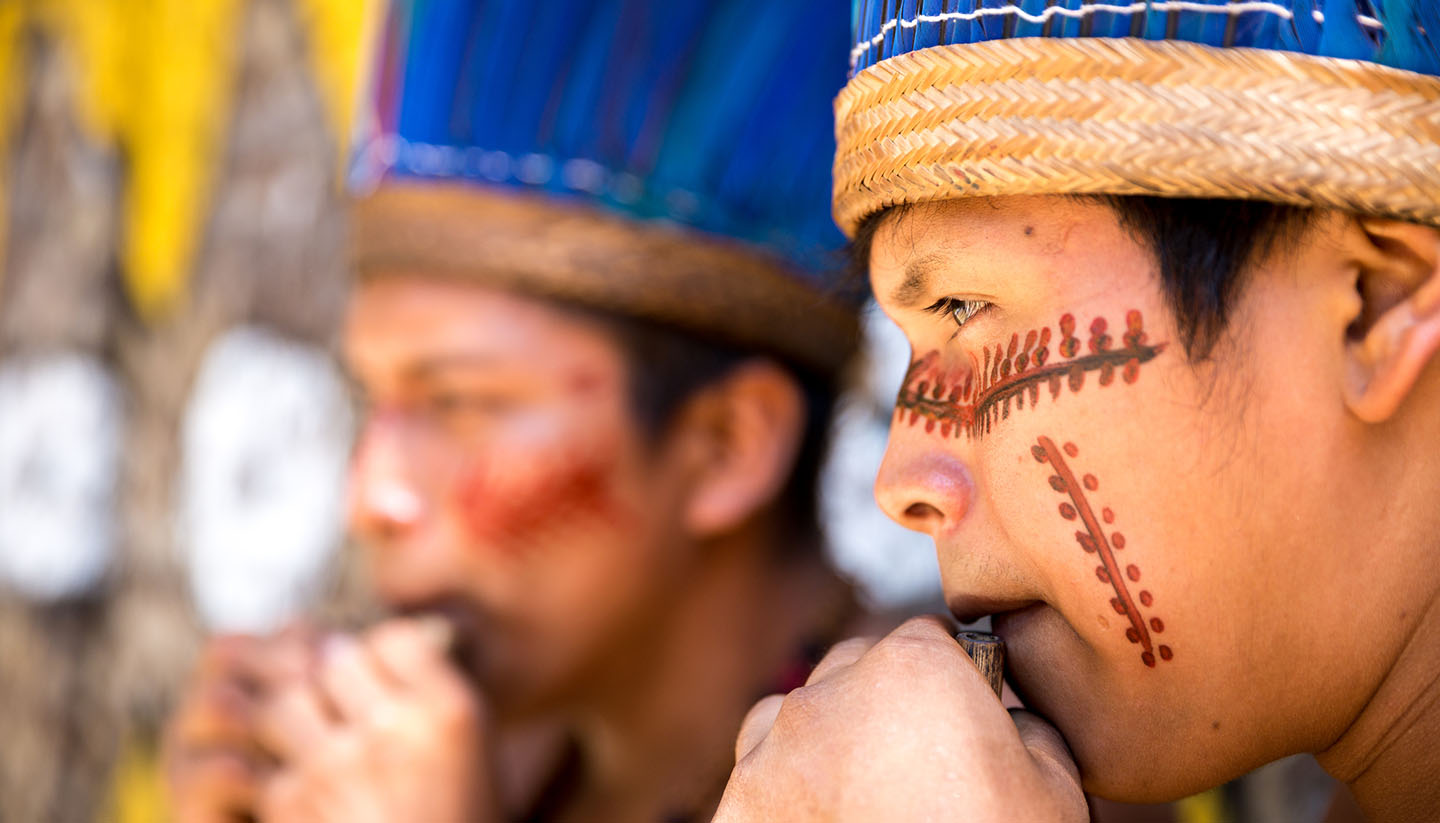
Brazil's history is shaped by a blend of Indigenous heritage, European colonisation and African influence. Before the Portuguese arrival in 1500, the land was home to diverse Indigenous peoples with rich cultures and deep connections to the environment. Portuguese rule introduced sugar plantations, gold mining and the forced migration of millions of enslaved Africans, whose cultural legacy remains central to Brazilian identity.
Brazil became independent from Portugal in 1822 and, unlike much of Latin America, initially formed a monarchy rather than a republic. The country transitioned to a republic in 1889 and abolished slavery in 1888, later than most Western nations. Throughout the 20th century, Brazil experienced periods of political instability and military rule before returning to democracy in the 1980s.
Did you know?
• Brazil was the last country in the Western Hemisphere to abolish slavery, in 1888.
• Portuguese is the official language of Brazil, making it the only Portuguese-speaking country in the Americas.
• Brazil has won the FIFA World Cup more times than any other nation.
Brazil Culture
Religion in Brazil
Catholic (50–55%), Evangelical / Protestant (30–35%), Other Christian (including Spiritism) (5–7%), Other religions (including Afro-Brazilian faiths, Judaism and Islam) (2–3%), No religion or not specified (8–10%).
Social Conventions in Brazil
Brazilians are generally warm, expressive and informal in social settings. Greetings are friendly, often involving a handshake, and among acquaintances a kiss on the cheek is common, varying by region. First names are widely used, even in professional contexts, once introductions have been made.
Dress codes are relaxed in most situations, though appearance matters in cities and social settings. Casual wear is acceptable during the day, but smart-casual clothing is common for evenings out. Beachwear is normal on the coast but should be avoided away from beaches.
Tipping is usually covered by a 10 per cent service charge in restaurants, which is listed on the bill. If included, no additional tip is expected. Photography is generally acceptable, but visitors should ask permission before photographing people, especially in rural areas or during religious ceremonies.
As in many large countries, attitudes and customs can vary by region. Visitors are advised to be polite, patient and respectful, and to follow local advice, particularly regarding personal safety in urban areas.
Language in Brazil
Portuguese is the official language of Brazil and is spoken throughout the country. Brazilian Portuguese differs slightly in pronunciation, vocabulary and rhythm from European Portuguese, but the two are mutually intelligible.
English is increasingly spoken in major cities, tourist areas and among younger Brazilians, though proficiency varies and should not be assumed, especially outside urban centres. Spanish may be understood to some extent due to Brazil's location in South America, but Portuguese remains the preferred language for communication.
Learning a few basic Portuguese phrases is greatly appreciated and can enhance everyday interactions, particularly in smaller towns and rural areas.